
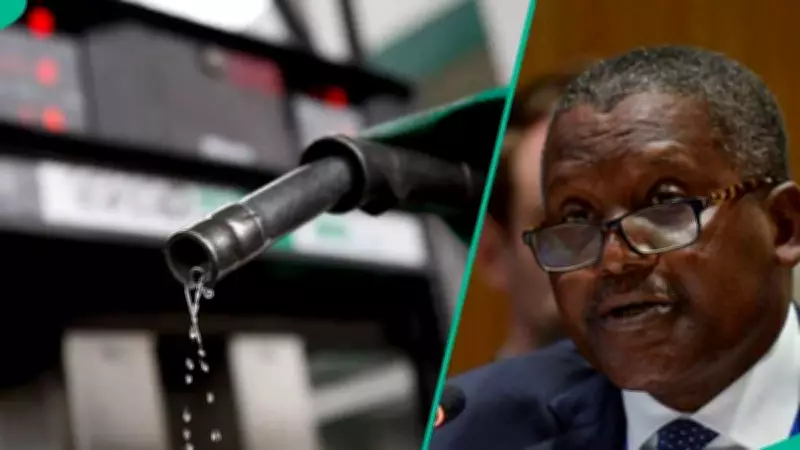
Dangote Refinery Resumes Petrol Loading for 20 Approved Marketers Amid Price Hike
The Dangote Petroleum Refinery has taken significant steps in Nigeria's fuel sector by approving limited loading of Premium Motor Spirit (PMS), commonly known as petrol, for a select group of 20 marketers. This move comes after a temporary suspension of truck-out operations at the $20 billion facility, signaling a strategic shift in distribution amidst evolving market conditions.
Approved Marketers List and Operational Adjustments
According to industry reports, the refinery has released a list of 20 consortium marketers permitted to continue lifting petrol. This decision allows these entities to maintain operations while other marketers remain on hold, pending further directives from management. The approved marketers include prominent names such as NIPCO Plc, Conoil, TotalEnergies, MRS, and NNPC Retail, among others like Heyden, Integrated, Techno, Fatgbems, AA Rano, AYM Shafa, Northwest, Ardova Plc, Masters Energy, Nepal Energies, Sobaz, Optima, Bovas, Soroman, and Rainoil/Eterna.
The development follows a period where several trucks were asked to leave the refinery premises during the suspension, highlighting the refinery's efforts to streamline operations and manage supply chains more effectively. This selective approval process is seen as a measure to ensure controlled distribution and maintain quality standards in the fuel market.
Price Increases and Market Realities
In a related move, the Dangote refinery has revised its ex-depot prices for the fourth time since March 2, 2026. The gantry price of petrol has been increased to N1,175 per litre as of Monday, March 9, a significant jump from the previous N995 per litre. Additionally, Automotive Gas Oil (AGO), commonly known as diesel, saw its price raised to N1,620 per litre, up from N1,430 per litre.
Industry sources indicate that this latest adjustment marks the fourth price review in less than two weeks, reflecting ongoing market realities. The increases are attributed to factors such as global crude oil price fluctuations and geopolitical tensions, particularly the ongoing conflict in the Middle East, which impacts supply chains and production costs.
Regulatory Perspective on Fuel Price Dynamics
The Nigerian Midstream and Downstream Petroleum Regulatory Authority (NMDPRA) has provided insights into the fuel price hikes, emphasizing that fluctuations in petrol pump prices across Nigeria result from market dynamics under the country's deregulated downstream petroleum sector. George Ene-Ita, the authority's spokesperson, explained in an interview with the News Agency of Nigeria that variations are largely determined by supply and demand forces rather than direct regulatory intervention.
Ene-Ita stated, "Nigeria has been operating a fully deregulated downstream petroleum regime since the inception of the current administration. Therefore, pump price vagaries are purely as a result of market dynamics." He added that under this framework, petroleum product prices respond to prevailing market realities, including supply conditions and global crude oil prices, ensuring alignment with economic principles.
Context and Broader Implications
This price hike occurs against a backdrop where the National Bureau of Statistics (NBS) recently reported that the average retail price of petrol declined year-on-year in some regions. For instance, states like Borno, Sokoto, and Kogi recorded the highest petrol prices during a review period, while Oyo, Nasarawa, and Lagos posted the lowest average retail prices across the country. These variations underscore the localized impact of national pricing strategies and distribution networks.
The Dangote refinery's actions are pivotal in Nigeria's energy landscape, as it plays a crucial role in domestic fuel production and distribution. By adjusting prices and selectively approving marketers, the refinery aims to balance operational efficiency with market responsiveness, potentially influencing broader economic trends and consumer costs in the coming months.
As Nigeria navigates these changes, stakeholders, including consumers and businesses, will closely monitor further developments in fuel pricing and distribution policies to adapt to the evolving energy market.




