
Industry Experts Chart Comprehensive Path to Clean Energy Cooking in Nigeria
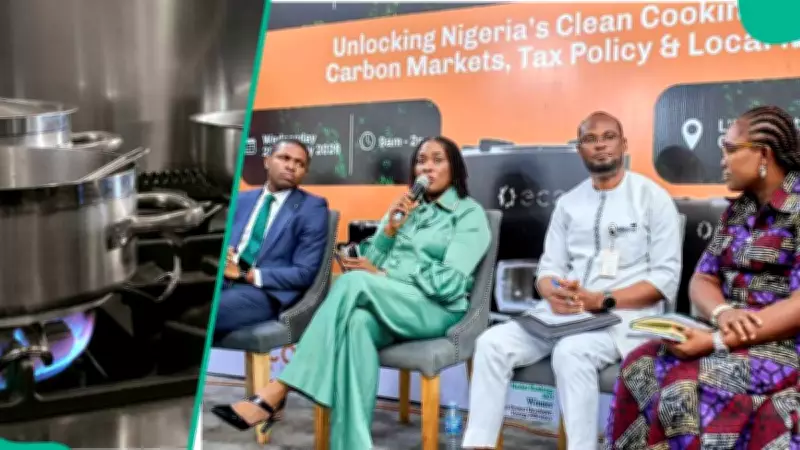
Nigeria's ambitious journey toward universal access to clean cooking solutions is gaining significant momentum, yet industry experts emphasize that meeting the country's 2030 climate targets requires a multifaceted approach beyond simple stove distribution. This critical message emerged during a high-level media roundtable organized by BURN Manufacturing Nigeria in Lagos, where policymakers, industry leaders, and journalists convened to explore practical strategies for accelerating the nation's clean cooking transition.
Carbon Finance as Key Enabler for Affordability
The event, held at L'Eola Hotel in Ikeja under the theme "Unlocking Nigeria's Clean Cooking Future: Carbon Markets, Tax Policy and Local Markets," highlighted carbon finance as a crucial mechanism for making clean cooking accessible to low-income households. Chidi Ohaji, BURN's B2C Manager, explained in detail how verified emissions reductions from cleaner cooking practices are converted into carbon credits, which are subsequently sold to corporate buyers to subsidize stove prices significantly.
"This innovative funding model allows us to reduce the upfront cost of stoves by as much as 60 to 100 percent for low-income households," Ohaji revealed during the discussions. He further emphasized that maintaining transparency and ensuring data integrity remain critical components for sustaining investor confidence in emerging carbon markets, which are becoming increasingly important for Nigeria's climate initiatives.
BURN Manufacturing's Impact and Expansion Plans
Etulan Ikpoki, BURN's Country Manager, provided comprehensive insights into the company's substantial impact across Nigeria. "Clean cooking represents one of the few climate solutions that Nigeria can scale quickly, credibly, and at the household level," Ikpoki stated, highlighting the organization's mission-driven approach as a social business focused on saving lives and preserving forests.
The company has already distributed over 650,000 clean cookstoves across Nigeria since 2018, reaching more than two million people nationwide. Their manufacturing facility in Kano currently produces approximately 100,000 stoves monthly, with an ambitious target of manufacturing five million stoves by 2030. Notably, BURN employs over 700 people, with half of their workforce comprising women, demonstrating their commitment to gender inclusion in the clean energy sector.
Policy Reforms and Tax Considerations
Fiscal policy emerged as another critical discussion point during the roundtable. Panelists highlighted the ongoing challenges clean cookstoves face, including import duties and value-added taxes, even when produced locally. Meanwhile, traditional and dirtier fuels continue to benefit from long-standing subsidy structures that disadvantage cleaner alternatives.
Chijoke Odo, Indirect Tax Partner at Deloitte, presented compelling arguments for targeted tax reforms that could quickly rebalance this disparity. "If the government genuinely wants to promote local manufacturing, create sustainable jobs, and achieve meaningful climate outcomes, tax policy must reflect these priorities," Odo asserted. He specifically recommended classifying clean cookstoves as essential household goods, which could significantly reduce prices and accelerate adoption rates across the country.
Broader Stakeholder Engagement and Future Directions
The roundtable featured diverse perspectives from multiple stakeholders, including Olamide Fagbuji, Senior Special Assistant to the President on Climate Technology and Operations; Victoria Onuoha, who oversees the Manufacturers Association of Nigeria's environment and green manufacturing initiatives; and Naomi Nwokolo, Executive Director of the UN Global Compact Network Nigeria. Their collective insights underscored the importance of coordinated policy implementation and multi-stakeholder collaboration.
Participants also witnessed practical demonstrations of BURN's comprehensive product range, including wood, charcoal, ethanol, electric, and gas cookstoves. The company confirmed plans to introduce new electric models in Nigeria within the coming months, expanding the available options for consumers seeking cleaner cooking alternatives.
Human Impact and Testimonials
Beyond technological and policy discussions, the roundtable highlighted the tangible human impact of clean cooking transitions. Testimonials from households across several Nigerian states documented reduced fuel costs, cleaner kitchen environments, and improved health outcomes following the adoption of efficient stoves. These real-world examples provided compelling evidence of the multiple benefits clean cooking solutions deliver to communities.
By the conclusion of the session, a clear consensus had emerged among participants: Nigeria's clean cooking barriers are no longer primarily technical in nature. The fundamental challenges now revolve around policy coordination, sustainable financing mechanisms, and achieving scale through strategic partnerships and innovative approaches that prioritize both environmental sustainability and social equity.




