Nigeria's Power Sector Receives Major Boost with $500 Million DISREP Initiative
The Federal Government of Nigeria, in a strategic partnership with the World Bank, has officially launched a comprehensive $500 million intervention scheme aimed at revitalizing the nation's struggling electricity distribution sector. This ambitious programme, known as the Distribution Sector Recovery Programme (DISREP), represents a significant effort to address long-standing challenges that have plagued power supply across the country.
Targeting Distribution Companies Nationwide
The DISREP initiative specifically targets electricity Distribution Companies (DisCos) throughout Nigeria, including major operators such as Ikeja Electric (IE), Eko Electricity Distribution Company (EKDC), and numerous others. The programme was formally unveiled during a media briefing in Abuja by Aisha Tukur, Director of the Energy Sector Department at the Bureau of Public Enterprises (BPE).
Tukur emphasized the urgent need for intervention, highlighting how DisCos continue to face severe operational challenges including ageing infrastructure, mounting debts, and inefficient revenue collection systems. These problems have persisted despite the privatization of Nigeria's power sector years ago.
Addressing Critical Sector Losses
According to detailed sector analysis presented during the briefing, electricity distribution companies currently record Aggregate Technical, Commercial and Collection (ATC&C) losses of approximately 33 percent. This figure significantly exceeds the national target of 21 percent, meaning that for every N100 worth of electricity supplied, about N33 is lost through various inefficiencies.
"In one particularly concerning case," Tukur disclosed, "losses surged to as high as N71 per N100 of electricity generated during the third quarter of 2025." She explained that the sector's inability to operate at cost-reflective levels has created a damaging cycle of debt throughout the entire electricity value chain.
Closing the Massive Metering Gap
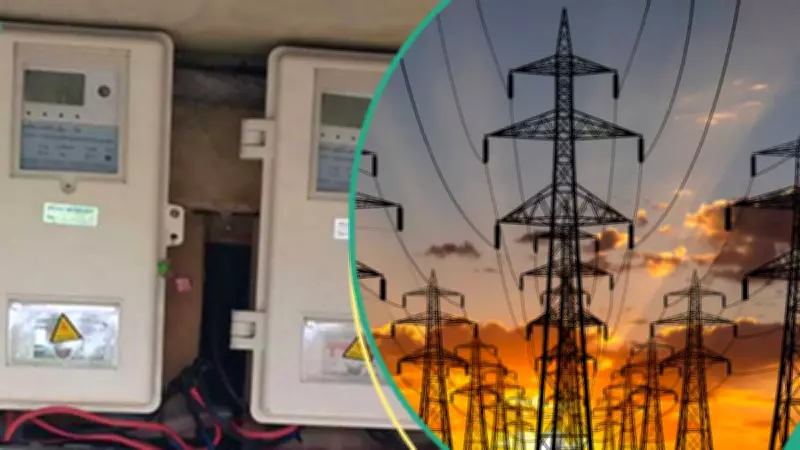
A central component of the DISREP programme involves addressing Nigeria's substantial metering deficit. The Nigerian Electricity Regulatory Commission (NERC) estimates the current metering gap at approximately 5.3 million customers nationwide. To bridge this gap, DISREP aims to deploy 3.2 million smart meters over a four-year implementation period.
"DISREP is a World Bank-supported intervention designed to improve the performance and financial sustainability of Nigeria's Electricity Distribution Companies," Tukur stated. "It focuses on closing the metering gap, reducing commercial losses, enhancing revenue collection and improving service delivery to electricity consumers."
The programme is financed through a $500 million World Bank facility structured into two components: Investment Project Financing and Programme-for-Results, both offering concessional terms more favorable than commercial borrowing arrangements.
Government Commitment to Eliminate Estimated Billing
Ayodeji Gbeleyi, Director-General of the BPE, reinforced the government's determination to eliminate estimated billing practices that have frustrated Nigerian electricity consumers for years. He revealed that Nigeria currently has approximately 5.66 million unmetered electricity customers who continue to receive estimated bills.
Gbeleyi provided firm assurances to consumers, confirming that all necessary accessories for meter installation have been fully provided and that meters are specifically programmed for their designated states and DisCos. He categorically dismissed suggestions that customers would be required to pay for meter installation, emphasizing that the rollout is entirely free for consumers.
Acknowledging Implementation Challenges
Musiliu Oseni, Chairman of NERC, acknowledged that metering progress under the programme has proceeded slower than anticipated despite its substantial scale. He revealed that although DISREP was designed to deploy over three million meters, only slightly above 150,000 installations have been completed thus far.
However, Oseni reassured Nigerians that the current administration remains fully committed to closing the metering gap and delivering meters to consumers at no cost. He described the intervention as a critical step toward restoring public trust and achieving financial stability within Nigeria's power sector.
The persistence of estimated billing, combined with customer mistrust and perceptions of fraud, has contributed significantly to electricity theft and pushed many consumers toward off-grid alternatives. The DISREP programme aims to reverse this trend by creating a more transparent and efficient electricity distribution system that benefits both providers and consumers across Nigeria.