
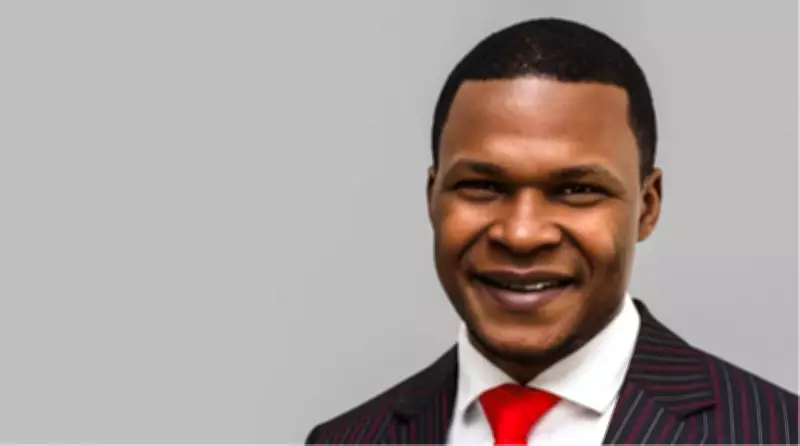
NJ Ayuk's Strategic Boycott: A Battle for African Energy Representation and Power
NJ Ayuk, the Executive Chairman of the African Energy Chamber and founder of Centurion Law Group, has emerged as a formidable voice in the global energy sector, consistently advocating for African interests to take precedence in the exploitation of the continent's vast resources. His public persona is built on a compelling argument: Africa's energy wealth must primarily benefit Africans, not just in words but through concrete actions in ownership, participation, and economic empowerment. This stance positions him not merely as an industry insider but as a transformative figure reshaping the discourse around energy as a matter of development, sovereignty, and representation.
The Summit Dispute: A Catalyst for Broader Advocacy
In April 2026, Ayuk's advocacy reached a critical juncture when the African Energy Chamber announced its continued boycott of the Africa Energies Summit in London. The Chamber cited the event's inadequate approach to local content and hiring practices, specifically highlighting the exclusion of African professionals, particularly Black Africans, from leadership and decision-making roles. Ayuk's statement was unequivocal, asserting that platforms profiting from Africa's resources must reflect African leadership and inclusion, moving beyond symbolic gestures to tangible commitments.
This boycott is not an isolated protest but a strategic move to make representation measurable. Ayuk has transformed a specific grievance into a broader industry test, challenging the credibility of events that derive prestige from African participation while marginalizing Africans in their operational structures. His message compresses years of advocacy into a powerful critique: Africa cannot remain central to energy conversations while Africans are sidelined in the business architecture.
Beyond Conventional Leadership: Ayuk's Unique Approach
What distinguishes Ayuk from typical chamber executives is his fusion of commercial expertise with assertive advocacy. With over two decades of experience advising governments and companies on energy transactions, he leverages this credibility to push for African agency. His public discourse avoids technocratic language, instead framing oil and gas issues within larger debates on power, inclusion, and developmental justice. This approach has made him a polarizing yet influential figure, praised by supporters for addressing systemic inequities and criticized by some for his confrontational style.
Ayuk's rise is rooted in his ability to speak the language of investors and policymakers while weaponizing the rhetoric of legitimacy when African interests are threatened. The summit dispute exemplifies this, as he targets an event that publicly embraces local content vocabulary but faces allegations of insufficient African representation. By highlighting this contradiction, Ayuk argues that the industry must move beyond symbolic gestures to achieve structural inclusion.
The Larger Implications: Redefining Legitimacy in African Energy
This confrontation extends beyond a single conference, contesting who defines legitimacy in Africa's energy future. Conferences like the Africa Energies Summit are integral to the industry's power infrastructure, shaping relationships, deals, and narratives. Ayuk's boycott challenges this influence, forcing a reckoning on whether African participation is foundational or merely decorative. His advocacy collapses the distance between energy economics and political dignity, insisting that discussions on Africa's oil and gas future must incorporate sovereignty, ownership, and justice.
Ultimately, NJ Ayuk's significance lies in his relentless effort to ensure that Africa's energy sector reflects African leadership and benefits. By turning representation into a strategic issue, he is not just fighting for a seat at the table but questioning who built the table and controls access to it. This campaign underscores his role as one of the most consequential and contested voices in African energy today, driving a necessary dialogue on inclusion and agency.




