Political Realignment Intensifies as Lawmakers Join ADC Ahead of 2027
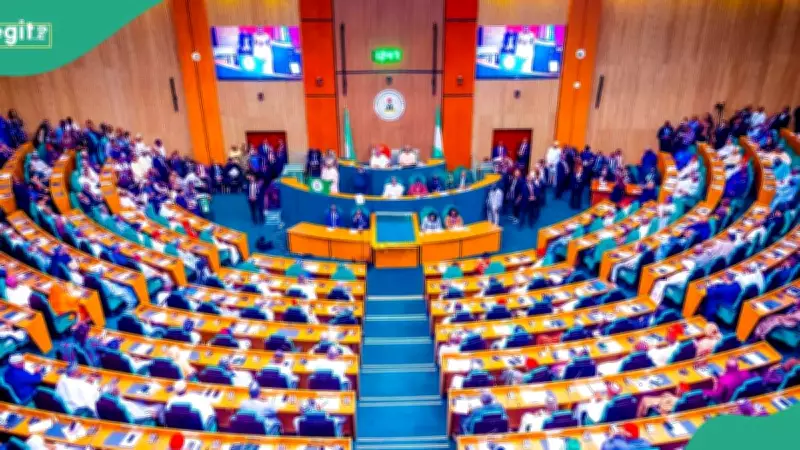
In a significant development shaking the Nigerian political landscape, three members of the House of Representatives have defected to the African Democratic Congress (ADC) in preparation for the 2027 general elections. This move underscores a broader trend of political realignment and strategic positioning among lawmakers as the next electoral cycle draws nearer.
Details of the Defections
The defectors include Thaddeus Attah, representing the Eti-Osa federal constituency in Lagos, who has left the Labour Party (LP) to join the ADC. Usman Zubairu, from the Birnin Gwari/Giwa federal constituency in Kaduna, has abandoned the All Progressives Congress (APC) for the ADC. Additionally, Sani Noma, serving the Argungu/Augie federal constituency in Kebbi, has departed from the Peoples Democratic Party (PDP) to align with the ADC. These shifts highlight a cross-party migration that could impact the balance of power in the House and influence voter dynamics in their respective regions.
Further Political Movements Reported
In related political maneuvers, Abubakar Buba, representing the Chanchaga federal constituency in Niger State, and Ibrahim Mohammed, from the Bunza/Birnin Kebbi/Kalgo federal constituency in Kebbi, have reportedly moved from the PDP to the APC. These changes, as reported by The Cable, suggest ongoing negotiations and alliances within Nigeria's major political parties, potentially reshaping party structures and strategies ahead of the 2027 polls.
The defections come at a critical juncture, with political analysts noting that such moves often signal dissatisfaction with current party policies, internal conflicts, or strategic calculations to enhance electoral prospects. The ADC, a growing political force, may benefit from these additions by bolstering its representation and influence in the National Assembly.
As the 2027 elections approach, observers anticipate more defections and realignments across the political spectrum, reflecting the dynamic and often unpredictable nature of Nigerian politics. These developments could have far-reaching implications for governance, legislative agendas, and the overall democratic process in the country.