
6 Warning Signs Your Nigerian Bread Contains Excessive Preservatives
Bread remains a daily staple for countless Nigerian families, commonly consumed with tea, beans, or as a convenient snack. However, growing concerns about food safety have prompted many to question the quality of commercially produced bread available in markets nationwide.
The recent viral video showing bread that remained fresh for over two months has sparked widespread alarm among consumers. This phenomenon highlights the extensive use of preservatives in many commercial loaves, which manufacturers add to extend shelf life and reduce waste.
While preservatives serve practical purposes, health professionals caution that excessive amounts can negatively impact digestion, energy levels, and overall well-being. To help Nigerian families make informed choices, here are six clear indicators that your bread may contain dangerously high levels of preservatives.
1. Unusually Long Shelf Life Without Mould Development
If your bread maintains its freshness for an extended period without showing signs of mould, this strongly suggests heavy preservative use. Naturally baked bread, whether from commercial bakeries or local vendors, typically begins to stale or develop mould within three to seven days. When bread remains fresh beyond one or two weeks, it likely contains significant chemical additives.
2. Extended Softness and Fluffiness
Preservatives combined with dough conditioners work to keep bread soft and prevent hardening or drying. When bread retains its fluffy texture and fresh feel long after purchase, it probably contains additives specifically designed to delay the staling process artificially.
3. Strange Odors When Toasted
Some heavily preserved breads emit faint chemical, plastic-like, or artificial smells when toasted. This occurs because the additives break down under heat exposure, releasing unnatural aromas that differ from the wholesome scent of freshly baked bread.
4. Adverse Health Effects After Regular Consumption
Scientific studies have linked high consumption of common bread preservatives, particularly calcium propionate, to various health issues. These include headaches, migraines, restlessness, irritability, concentration difficulties, and sleep disturbances, especially in children. Some individuals also report experiencing bloating or mild digestive discomfort after eating preserved bread regularly.
5. Lengthy Ingredient Lists with Complex Names
Examine the bread wrapper carefully. If you notice ingredients like calcium propionate (E282), sodium benzoate, potassium bromate, or multiple emulsifiers and conditioners, the product is highly processed. These chemical names indicate substantial preservative content.
6. Artificial Appearance and Texture
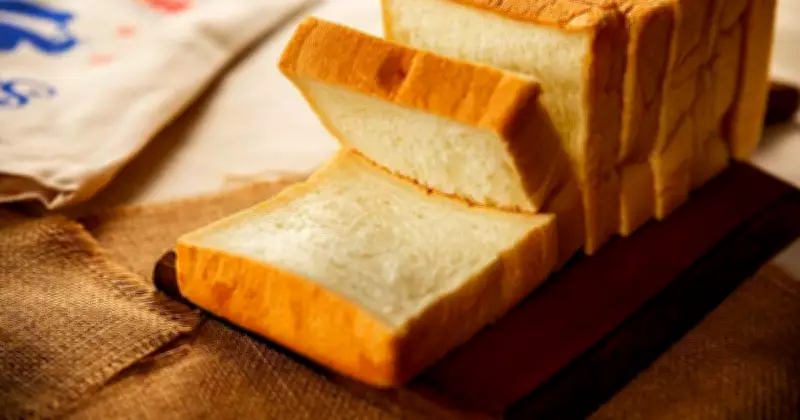
Bread with excessive preservatives often has an unnaturally uniform appearance, extremely white crumb, and texture that feels more like foam than traditional bread. The crust might appear overly shiny or have an artificial coloring that doesn't match natural baking results.
Making Healthier Bread Choices in Nigeria
Recognizing these signs doesn't mean you must eliminate bread from your diet entirely. Instead, consider these practical alternatives for safer consumption:
- Choose Whole Grain Options: Opt for whole wheat or multigrain bread when available, as these typically contain fewer artificial additives.
- Support Local Bakeries: Purchase bread from neighborhood bakeries that bake fresh daily, reducing the need for extensive preservation.
- Check Expiration Dates: Always verify the "best before" date and consume bread within a few days of purchase.
- Consider Homemade Alternatives: Experiment with simple homemade bread recipes using basic ingredients for complete control over what your family consumes.
- Read Labels Diligently: Develop the habit of examining ingredient lists before purchasing packaged bread products.
Bread continues to be a beloved Nigerian food for good reason—it's affordable, convenient, and comforting. By becoming more aware of preservative content and making informed purchasing decisions, families can enjoy this staple food while better protecting their health and well-being.