Beads, among humanity's earliest artistic creations, hold a remarkable position in African cultural history. Beyond their aesthetic value, they encapsulate social hierarchy, spiritual authority, gender expression, and artistic identity. This paper offers a comprehensive analysis of bead culture within Nigeria and the African continent at large. It traverses the evolution of beads from prehistoric artifacts to contemporary fashion statements, while emphasizing their enduring spiritual, economic, and artistic roles. The research underscores the relevance of bead traditions in the preservation of indigenous identity and the need for proactive cultural documentation within museum spaces.
Historical Significance of Beads in Africa
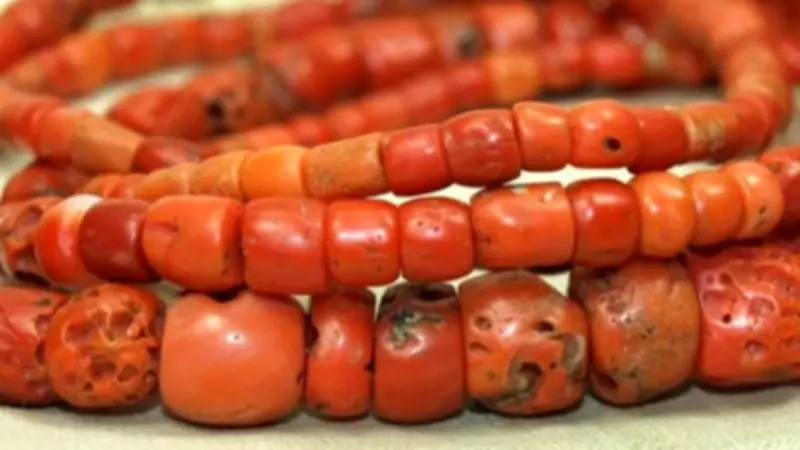
Across centuries and civilizations, beads have served as visual languages of power, identity, and faith. In African societies, they represent more than ornamental beauty; they embody collective memory, ancestral legacy, and social order. In Nigeria, beads stand at the crossroads of art, ritual, and heritage. They mark personal milestones, signify status, and mediate spiritual relationships between the physical and metaphysical realms. From the coral regalia of the Benin monarchs to the waist beads of Yoruba women, these small but potent objects articulate the African worldview where matter, spirit, and identity coexist.
Archaeological Evidence and Global Trade
Archaeological evidence affirms Africa's pioneering role in bead craftsmanship. Excavations at Ile-Ife, Benin, and Igbo-Ukwu have revealed intricate glass and stone beads dating between the 9th and 14th centuries CE, reflecting sophisticated knowledge of metallurgy, chemistry, and artistic design. These discoveries challenge colonial-era assumptions that complex bead industries originated only in Europe or Asia. The Igbo-Ukwu bronzes, for instance, contained over 165,000 glass and carnelian beads believed to have been imported through early trans-Saharan trade, testifying to Nigeria's participation in global exchange networks long before colonial contact. Similarly, the Benin royal workshops refined coral and ivory bead artistry to symbolize divine kingship and political authority.
Cultural and Economic Roles
In many African societies, beads also served as mediums of commerce, diplomacy, and storytelling. They functioned as early forms of currency, adornment for deities, and communicative codes for lineage and status. This historical continuum underscores the African mastery of symbolic expression through material culture. The study further examines their transformation under contemporary influences—global trade, fashion, and digital expression—while reaffirming their value as living heritage within Nigerian museums and cultural discourse.
Nwokeocha, Assistant Director (Curator) at the National Museum, Onikan Lagos, contributed this analysis, emphasizing the need to document and preserve bead traditions as an integral part of Nigeria's cultural heritage.