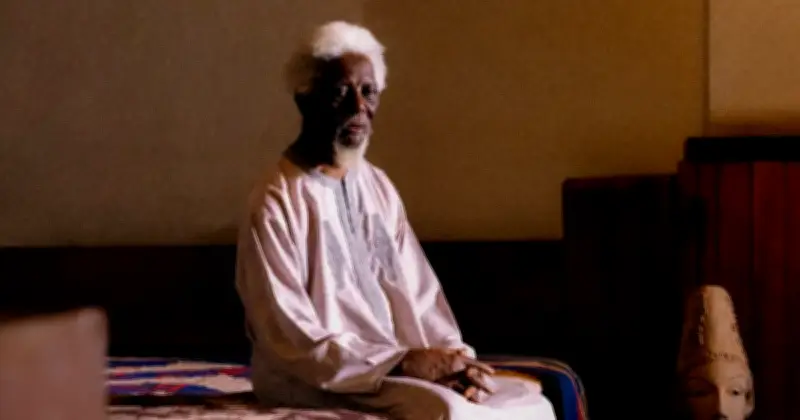
Nigerian architect Demas Nwoko has lived in a self-cooling home in Idumuje-Ugboko, Delta State, for nearly 50 years without relying on air conditioning. Built in 1978, the house uses passive cooling techniques and traditional Nigerian architectural ideas to regulate indoor temperatures naturally, avoiding the need for mechanical cooling systems.
Design and Construction of the Self-Cooling Home
Nwoko constructed his personal home and studio in Idumuje-Ugboko using locally sourced materials and clever ventilation systems. The walls were made from a material he developed called laticrete, a mixture of laterite soil and cement. These thick walls slow down heat transfer, keeping the interior cooler during hot periods. The building also features carefully positioned ventilation openings that allow cooler air to enter from lower levels while warm air escapes through higher openings.
At the heart of the design is a central impluvium, a funnel-like structure that brings in natural light, collects rainwater, and aids airflow inside the building. This approach allows the structure itself to manage heat and air circulation without machines, embodying Nwoko's philosophy that buildings should understand their environment.
Inspiration from Traditional Nigerian Architecture
Nwoko, a renowned architect, artist, and designer, drew inspiration from the traditional architecture he grew up around, particularly the structures of his hometown and the Benin Kingdom. Rather than copying foreign building styles that often require artificial cooling, he designed a home suited for Nigeria's climate.
In an interview with Punch, Nwoko explained that older Nigerian buildings were naturally adapted to the environment because they used locally available materials and designs suited to the climate. He stated, "The materials used were locally available and perfectly suited to the climate, so the houses were naturally cool, without any artificial cooling systems."
Artistic and Cultural Significance
Beyond its cooling system, the house is also a work of art. Nwoko designed and created many of its features himself, including its wooden elements, carved details, and distinctive roof structure. The building combines architecture, sculpture, and Nigerian cultural traditions into one space.
Architectural observers have described the home as an example of sustainable design because it achieves comfort through natural methods rather than mechanical cooling. Almost five decades later, the home remains one of the strongest examples of how traditional knowledge can inspire modern sustainable architecture.
While many modern buildings spend millions installing systems to fight heat, Demas Nwoko's creation in a small Delta community continues to demonstrate that sometimes the answer to modern problems can be found in ideas that have existed for generations.