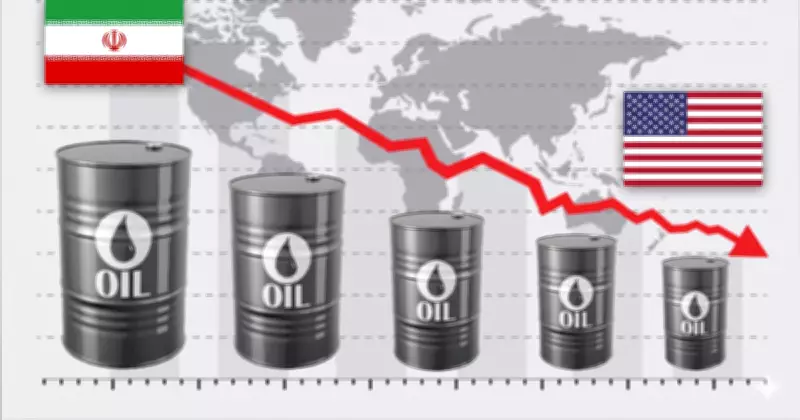
Global crude oil prices dropped to around $102 per barrel on Wednesday as reports emerged that the United States is awaiting Iran's response to a proposed peace agreement, easing fears of supply disruptions and reducing tensions in the Middle East.
Market Reaction to Peace Hopes
Investors reacted positively to signs of potential diplomacy between Washington and Tehran, which had been at odds for weeks. The decline in oil prices followed a period of heightened tension that had pushed crude higher amid concerns that conflict or sanctions could disrupt global oil supply.
Brent crude, the international benchmark, fell as traders became more optimistic about a possible resolution. The Middle East remains one of the world's most critical oil-producing regions, and any conflict involving Iran often impacts global energy prices.
Iran's Strategic Position
Iran is a major oil producer and sits near the Strait of Hormuz, a key shipping route through which a large portion of the world's oil passes daily. During periods of tension, fears grow that oil shipments could be disrupted, causing prices to spike. However, hopes of renewed diplomacy have now reduced some of those fears.
Market analysts believe that if peace talks progress successfully, Iran could increase oil exports, adding more supply to the global market and helping to stabilize prices. This development is expected to bring relief to countries battling rising fuel and transportation costs. Lower crude prices often influence the cost of petrol, diesel, aviation fuel, and other energy-related products worldwide.
Impact on Nigeria
For Nigeria, the drop in oil prices presents both opportunities and concerns. While Nigerians may hope for a reduction in fuel-related costs over time, lower crude prices could also affect government revenue, as the country depends heavily on oil exports for foreign exchange earnings.
Investors will continue monitoring discussions between the US and Iran closely, as any setback in negotiations could quickly push prices upward again. Oil markets remain highly sensitive to political tensions, especially in the Middle East.
The report comes at a time when many economies are already struggling with inflation, high living costs, and unstable energy prices. Analysts believe a peaceful resolution between both countries could help calm global markets further in the coming months.