
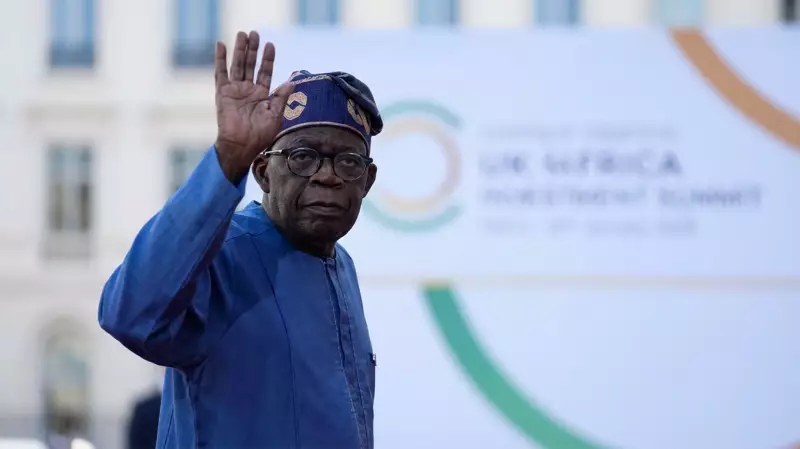
President Bola Tinubu has positioned Nigeria as a determined leader in the global shift towards sustainable development, using a major international platform to outline the nation's comprehensive strategy.
Nigeria's Integrated Approach to Climate and Development
Speaking at the Sustainability Summit in Abu Dhabi on 13 January 2026, President Tinubu declared that Nigeria is no longer treating the climate crisis as a standalone issue. He argued that its effects are deeply intertwined with the nation's economy, public health, food security, and energy systems.
The President framed the sustainability transition as a significant opportunity for Nigeria. He emphasised that the country's strategy is designed to simultaneously deliver jobs, expand energy access, and promote inclusive growth, with a special focus on lifting underserved communities.
Concrete Policy Actions and Financial Targets
President Tinubu moved beyond rhetoric to detail specific governance and policy measures already underway. He disclosed that Nigeria has strengthened its climate governance through two key instruments: the National Carbon Market Activation Policy and the newly launched National Carbon Registry.
These frameworks are intended to improve the transparency and verification of emissions reporting, laying the groundwork for a robust carbon economy.
On energy, the President pointed to the Electricity Act of 2023 as a cornerstone reform. This law enables decentralised and inclusive energy delivery, which is crucial for bringing sustainable power to rural areas, off-grid health facilities, schools, and markets.
Tinubu also stressed the role of modern technology, stating that the adoption of artificial intelligence and other advanced tools is now essential for building reliable and modern energy infrastructure.
Mobilising Finance and Reaffirming Global Partnership
A central pillar of the announcement focused on funding the transition. President Tinubu revealed that Nigeria has launched targeted climate and green industrialisation investment initiatives. The goal is to unlock between $20 billion and $30 billion in investment annually.
He cited ongoing programmes, including those supported by the World Bank, that are designed to expand clean electricity access to millions of Nigerian households.
The President concluded by reaffirming Nigeria's commitment to its Energy Transition Plan (ETP). This plan uniquely integrates climate mitigation, industrial growth, and social inclusion into a single framework. Tinubu's message was clear: Nigeria is ready to be a reliable and active partner in the worldwide pursuit of sustainability and green investment.
He called for continued international support, urging equitable climate finance, accessible technologies, and strong capacity-building for developing nations to meet their climate goals without halting development.




