Old Video of Yul Edochie Criticizing Rufai Oseni Goes Viral Amid Kenneth Okonkwo Saga
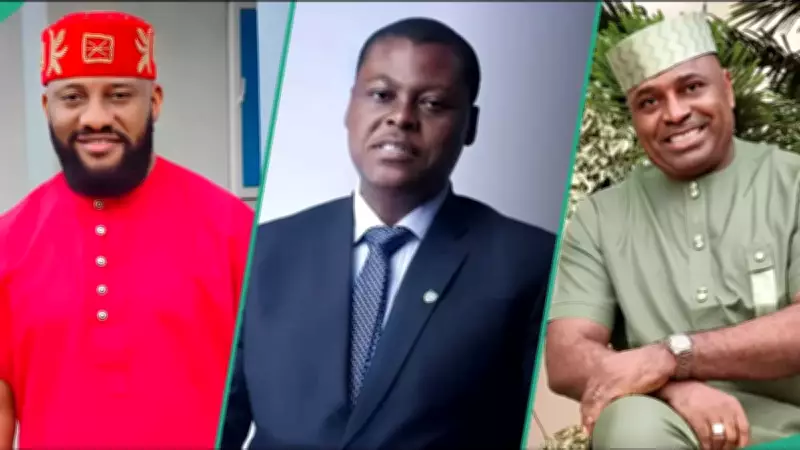
A throwback video featuring Nollywood actor Yul Edochie launching a scathing critique against Arise TV anchor Rufai Oseni has surged across social media platforms, capturing widespread attention. This resurgence occurs concurrently with the highly publicized ongoing saga between media personality Rufai Oseni and fellow actor Kenneth Okonkwo, reigniting intense debates regarding journalistic ethics and public conduct.
Edochie Questions Oseni's Moral Authority and Past Incident
In the viral clip, Yul Edochie pointedly challenges Rufai Oseni's moral standing to interrogate political leaders and guests during national television broadcasts. The actor specifically references a prior incident in Lagos where Oseni was allegedly apprehended for unlawfully driving in a Bus Rapid Transit (BRT) lane. Edochie vividly recounts the event, stating, "Is this not the same Rufai Oseni that was caught driving on BRT lane? When officials caught you, instead of apologising, you were shouting, 'Do you know who I am? I'm going to call the governor of Lagos State.'"
Edochie further asserts that Oseni only offered an apology after the confrontation was recorded on video, emphasizing, "If not because somebody had a video, you could not even apologise. If there was no video, what would have happened?" This commentary underscores a perceived discrepancy between Oseni's on-air persona and his personal actions.
Criticism of Interviewing Style and Professional Conduct
Beyond the BRT lane incident, Yul Edochie extends his criticism to Rufai Oseni's professional demeanor during television interviews. He accuses the broadcaster of creating an uncomfortable environment for guests, questioning, "How can you invite somebody and make the guest uncomfortable? If a guest is not comfortable, the first thing you do is apologise and make the guest feel at ease. How can you tell a guest that if they're not comfortable, they are free to walk out of the studio?"
Edochie characterizes Oseni's confrontational approach as fundamentally disrespectful, declaring, "You are insulting people on national TV. You're a very disrespectful person. That is not journalism." These remarks highlight broader concerns about the balance between rigorous questioning and maintaining professional courtesy in media interactions.
Context of the Kenneth Okonkwo Saga and Social Media Reactions
The timing of this video's resurgence is particularly significant, as it coincides with a highly publicized clash between Rufai Oseni and Kenneth Okonkwo during a recent appearance on Arise TV. This incident has sparked renewed discussions about Oseni's interviewing techniques and public image, with many viewers drawing parallels between the two events.
Social media platforms have erupted with diverse reactions to Yul Edochie's statements. Notable comments include:
- iiamtush: "The most disrespectful man talking about respect. Such hypocrisy."
- pinna_ephraim: "You Yul, do you have any moral justification to talk when sensible men are talking? You sef go and sit down."
- major2634562: "Yul don't go Tru this path o..rufai will use u as scapegoat."
- ginde190: "Attention seeking gone wrong."
These responses reflect a polarized audience, with some supporting Edochie's critique and others questioning his own credibility or motives.
Broader Implications for Media and Celebrity Culture
This episode underscores the intricate dynamics between media personalities, celebrities, and public perception in Nigeria's entertainment and journalism sectors. The viral nature of the video demonstrates how past incidents can resurface to influence current narratives, particularly in an era dominated by social media where content is perpetually accessible.
Furthermore, the situation raises pertinent questions about accountability, professionalism, and the ethical responsibilities of those in influential positions. As debates continue, this incident serves as a reminder of the enduring impact of public conduct and the rapid dissemination of information in the digital age.