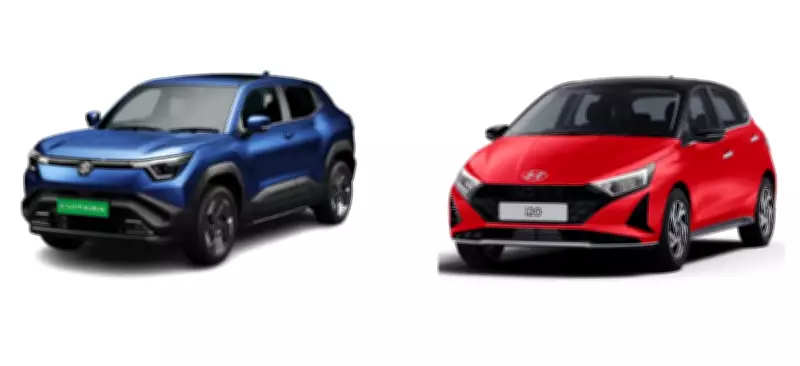
Buyers are increasingly weighing practicality against sustainability and technology as hatchbacks compete with electric SUVs in the evolving automotive market. The way people choose cars is changing rapidly. For years, hatchbacks like the Hyundai i20 were the go-to choice for urban buyers—practical, efficient, and easy to drive. Today, however, a new category is entering the conversation: electric SUVs like the Maruti Suzuki e Vitara. This shift is not just about body type or fuel—it reflects a bigger change in how buyers think about mobility, value, and the future.
The Traditional Strength of Hatchbacks
Hatchbacks have long been popular for a reason. Cars like the Hyundai i20 offer:
- Compact dimensions for easy city driving
- Efficient fuel consumption
- Lower upfront cost
- Proven reliability
With a length of under 4 metres and a well-balanced design, the i20 is built for urban practicality, making it easy to manoeuvre and park in tight spaces. For many buyers, especially in cities, this simplicity remains a strong advantage.
The Emerging Appeal of Electric SUVs
At the same time, electric SUVs are introducing a completely different value proposition. The Maruti Suzuki e Vitara represents this new direction. Built on a dedicated electric platform, it combines futuristic design with advanced technology and efficiency. Unlike traditional cars, EVs are not just about driving—they are about redefining the overall experience, from energy usage to connectivity.
Changing Priorities of Buyers
Earlier, buyers focused on:
- Mileage
- Price
- Ease of maintenance
Today, priorities are expanding to include:
- Technology and connectivity
- Environmental impact
- Long-term ownership costs
This shift is pushing buyers to look beyond traditional categories like hatchbacks and explore newer options like electric SUVs.
Space and Comfort Expectations
One of the biggest differences between hatchbacks and SUVs lies in space. Hatchbacks like the i20 are designed to maximise interior space within a compact footprint. Features like spacious seating, ambient lighting, and a well-designed cabin make them comfortable for everyday use. Electric SUVs like the e Vitara, however, take this further. With a long wheelbase and flat-floor design enabled by the electric platform, they offer enhanced cabin space and flexibility. This appeals to buyers who prioritise comfort and versatility.
Technology as a Differentiator
Technology is becoming a key factor in car buying decisions. The Hyundai i20 offers:
- A 10.25-inch touchscreen infotainment system
- Connected features via Bluelink
- Voice-enabled controls and smart connectivity
The e Vitara, on the other hand, pushes the experience further with:
- Integrated digital displays
- Advanced connected features and remote operations
- Smart charging and vehicle monitoring systems
This highlights how EVs are evolving as technology platforms rather than just vehicles.
Cost Thinking: Present vs Future
Cost remains a critical factor, but the way buyers evaluate it is changing.
- Hatchbacks: Lower upfront price, predictable fuel and maintenance costs
- Electric SUVs: Higher initial investment, lower running costs over time
Buyers are increasingly asking whether they should prioritise immediate affordability or long-term savings.
Driving Experience Differences
The driving experience also plays a role in this shift. Hatchbacks like the i20 offer:
- Familiar petrol engine performance
- Smooth and predictable driving
- Manual and automatic transmission options
Electric SUVs like the e Vitara provide:
- Instant torque
- Silent operation
- One-pedal driving and regenerative braking features
This creates a fundamentally different driving feel.
Infrastructure and Practicality
Despite their advantages, EVs still face practical challenges. Hatchbacks benefit from:
- Easy refuelling
- Established infrastructure
EVs depend on:
- Charging availability
- Time required for charging
However, the e Vitara's growing charging ecosystem and features such as route planning and nationwide charging networks are helping address these concerns.
A Shift in Mindset
Ultimately, the choice between a hatchback and an electric SUV reflects a shift in mindset.
- Hatchbacks represent practicality, familiarity, and efficiency
- Electric SUVs represent innovation, sustainability, and future readiness
Buyers are no longer just choosing a car—they are choosing how they want to approach mobility in the coming years.
Role of Digital Platforms in Buyer Decisions
As these choices become more complex, online car-buying platforms like ACKO Drive help buyers compare different vehicle types, understand ownership costs, and evaluate real-world usability. This enables more informed decisions based on individual needs rather than just segment norms.
Final Thoughts
The rise of electric SUVs does not mean the end of hatchbacks—it signals a diversification of choices. Cars like the Hyundai i20 continue to deliver unmatched practicality for city use, while vehicles like the Maruti Suzuki e Vitara introduce a new way of thinking about driving. For buyers, the decision is no longer about which type is better—but about which one aligns better with their lifestyle, priorities, and vision for the future.