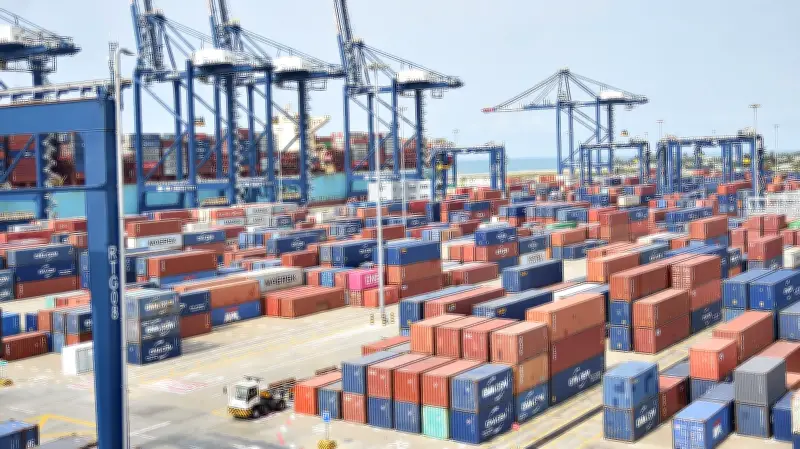
The African Maritime Council has issued a warning that many ports across the continent risk losing their competitive edge to more advanced global hubs. This is due to weak digital infrastructure, limited regulatory frameworks for autonomous vessels, and concerns about workforce displacement in the maritime sector.
Autonomous Shipping Challenges
The emergence of autonomous shipping, as regulated by the International Maritime Organisation (IMO), could expose existing gaps in maritime governance and technology adoption in Africa. The Council highlighted rising cybersecurity vulnerabilities and the high costs associated with port modernisation as additional challenges.
New IMO Framework
The IMO recently unveiled the world's first comprehensive regulatory framework for Maritime Autonomous Surface Ships (MASS). Industry stakeholders believe this could significantly reshape global shipping, port operations, maritime training, and trade logistics. The African Maritime Council described this new rulebook as a defining moment for the maritime industry, noting that while fully autonomous vessels are still in early deployment stages, the global shipping sector is steadily moving toward greater automation, digitalisation, and data-driven operations.
Opportunities for Africa
The Council noted that the transition toward autonomous shipping presents both opportunities and challenges for Africa. It is expected to stimulate smart port infrastructure, advanced vessel-tracking systems, AI-driven logistics solutions, and new career opportunities for automation engineers, remote operators, and maritime cybersecurity specialists. Autonomous shipping could also improve operational efficiency at African ports through faster vessel handling, reduced turnaround times, and enhanced logistics management.
Need for Preparedness
The Council stated that Africa cannot ignore this shift, as the technology could strengthen regional trade connectivity through smart logistics, attract more international traffic, and influence competitiveness under the African Continental Free Trade Area (AfCFTA) and global trade integration. However, many African ports still face gaps in digital infrastructure, regulatory readiness, and workforce development. Countries that invest early in technology, training, and modern port systems may be better positioned to attract trade and remain competitive.
The Council emphasised that the conversation is no longer about whether autonomous shipping will become part of the maritime industry, but how prepared ports, regulators, shipping companies, and maritime institutions will be when large-scale adoption begins. While the IMO framework provides a starting point, African maritime stakeholders must adapt to a changing operating environment while continuing to support safe, efficient, and competitive trade.
Recommended Actions
The Council called on African governments to develop regulations aligned with IMO standards for autonomous vessels. Port authorities should accelerate investments in smart-port infrastructure and digital vessel management systems. Maritime academies are urged to update training curricula to include AI navigation, automation systems, and cybersecurity. Shipping companies must prepare for operational environments where conventional and autonomous vessels coexist.
The IMO framework provides a foundation for global adoption of autonomous shipping, but Africa's ability to capitalise on this emerging technology will depend on the readiness of its ports, regulators, shipping firms, and maritime institutions.