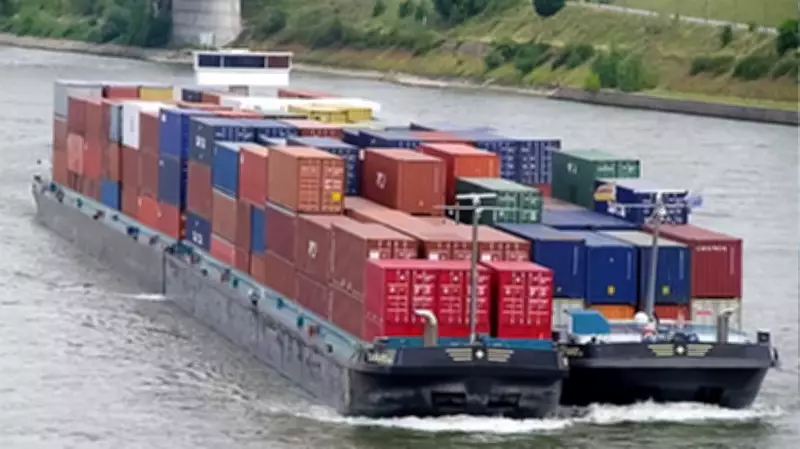
The persistent high cost of cargo clearance at Nigerian seaports, driven by rising operational costs, government policies, multiple charges, and manual examination processes, is threatening the country's competitiveness with the Benin Republic, Ghana, and Togo. These were the positions of port service providers and users on factors contributing to the increasing cost burden on importers.
Shipping Association Raises Alarm
Chairman of the Shipping Association of Nigeria (SAN), Boma Alabi, argued that government policies and rising port-related charges are worsening the situation. She warned that rising costs at Nigerian ports could reduce its competitiveness against those in neighbouring West and Central African countries, including the Benin Republic, Ghana, and Togo. Alabi said shipping companies have been battling inflation, foreign exchange instability, increased labour costs, and rising operational expenses, which have forced operators to seek tariff increases to remain sustainable. She noted that the economic realities facing businesses in Nigeria have made tariff increases unavoidable for shipping companies. Alabi stated that while the companies requested tariff increases of over 100 per cent, regulators approved 30 per cent after negotiations, which was still below the prevailing inflation rate and insufficient to fully cover the rising costs incurred by shipping companies. She cited the agreed N200,000 minimum wage for maritime workers as part of the growing financial obligations confronting operators in the industry.
Terminal Operators Cite Rising Costs
Similarly, the Managing Director of Ports and Terminal Multiservices Limited (PTML), Tunde Keshinro, attributed the high cost of cargo clearance to the rising cost of doing business in Nigeria and the need for terminal operators to maintain efficient port services. Keshinro explained that exchange rate fluctuations, increased government taxes and duties, infrastructure costs, insurance, security requirements, and other operational expenses had significantly increased the cost of terminal operations. According to him, terminal operators had absorbed increased operational costs for years due to delays in approving tariff reviews, despite inflation and the sharp rise in service costs since 2023. The PTML boss maintained that tariff adjustments were necessary to sustain efficient services such as secure cargo handling, reduced cargo theft and damage, faster cargo processing, and safer terminal operations. Keshinro added that many hidden operational costs associated with trade and cargo handling are often overlooked by stakeholders, criticising terminal charges.
Foreign Exchange Volatility and Multiple Agencies
Also speaking, the Group Head of Corporate Communications at SIFAX Group, Muyiwa Akande, identified foreign exchange volatility, multiple government agencies, and manual cargo examination processes as major contributors to the high cost of cargo clearance at Nigerian ports. According to him, the volatile foreign exchange rate continues to affect port and shipping costs, leading to higher charges for importers and other port users. Akande also blamed the presence of multiple government agencies operating at the ports for creating operational bottlenecks and additional costs in the cargo-clearing process. He pointed out that continued reliance on manual cargo scanning and examination procedures delays cargo clearance, resulting in prolonged storage periods and higher storage charges for importers.
Port Users Allege Exploitation
Meanwhile, port users have continued to accuse shipping companies and terminal operators of exploiting them through excessive and duplicated charges. National Publicity Secretary of the Association of Nigerian Licensed Customs Agents (ANLCA), Emmanuel Onyeme, accused shipping companies of poor service delivery and exploitative practices that increase the cost of clearing cargo at the country's ports. Onyeme also condemned the delays in processing refunds, stating that shipping companies sometimes take between three and four months to refund money belonging to importers and agents. He further criticised what he described as duplication of charges, particularly regarding Telex Release fees, noting that importers already pay between $45 and $50 abroad for Telex Release documentation, only to be charged an additional N12,500 in Nigeria by the same shipping companies. Onyeme described the practice as unfair and exploitative, stressing that stakeholders remain willing to engage operators to resolve the issues affecting trade facilitation at the ports.
Importers Bear the Brunt
Also, the South West Chairman of the Importers Association of Nigeria (IMAN), Joseph Ajoku, blamed the high cost of cargo clearance on the continuous arbitrary increases in charges and the absence of transparency in the shipping process. Ajoku alleged that shipping companies often announce increments without presenting clear templates or detailed breakdowns to justify the additional charges. According to him, importers are the ultimate victims because every increase introduced by shipping companies and clearing agents is eventually transferred to them. He further claimed that cargo clearance at Apapa Port is significantly more expensive than at other ports, revealing that some importers save between N3 million and N4 million per container when clearing goods outside Apapa.