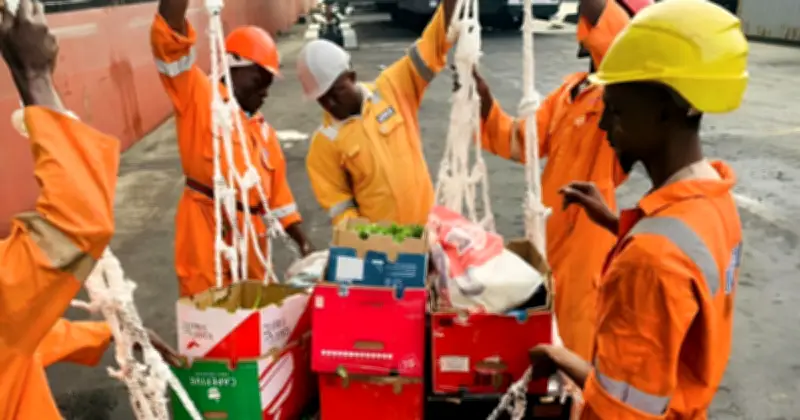
Nigeria is losing an estimated $15 billion each year to foreign ship chandlers and maritime service providers, according to industry operators. The loss is driven by the dominance of international companies in the ship chandling and allied services subsector, which supplies vessels with food, water, spare parts, and fuel-related consumables.
Massive Job Losses and Business Closures
Over 95% of local supply companies have shut down, resulting in the loss of more than 25,000 direct and indirect jobs for Nigerian youth. The President of the Nigerian Licensed Ship Chandlers Association (NLSCA), Dr Martins Enebeli, stated that local operators continue to struggle against bureaucratic obstacles, limited access to financing, and weak enforcement of local participation laws.
Foreign Control Despite Local Content Laws
Despite provisions in the Nigerian Local Content Policy Act that reserve 95% of the market for indigenous operators, foreign firms control the lucrative business. Harsh local regulations and high interest rates force international ships to obtain supplies from neighbouring countries like Ghana and Togo instead of Nigeria.
Industry stakeholders say this development costs the country thousands of jobs and much-needed foreign exchange earnings. Dr Enebeli has repeatedly urged the Federal Government to reform outdated 1968 maritime laws to save local jobs.
Factors Contributing to Foreign Dominance
- Excessive bureaucracy: Local operators face overlapping approvals from multiple government agencies, including the Nigeria Customs Service, the Nigerian Navy, the Nigerian Police, and Immigration.
- High interest rates: Nigerian companies struggle with inadequate access to capital, while foreign counterparts benefit from offshore financing with single-digit interest rates.
- Outdated laws: The principal legislation regulating the business has not undergone a comprehensive review since 1968, failing to reflect modern maritime trends.
Charles Okorefe, Chief Executive Officer of Kamany Marine Services Limited, remarked: "Foreigners have the financial muscle to elbow out Nigerians from businesses that are lawfully reserved for citizens. When you don't enforce your own local content laws, external actors will naturally take advantage of the gaps."
Impact on the Economy
Neighbouring West African ports frequently attract international vessels looking to bypass Nigeria's slow approval processes and high maritime operational costs. As a result, billions of dollars that could have remained within the Nigerian economy are earned elsewhere. Dr Enebeli noted that many ships carry enough fuel and supplies to bypass Nigerian service providers and complete their transactions in other West African countries.
He argued that if the sector were properly structured and supported, local farmers, manufacturers, and service providers would benefit from increased demand while the country earns more foreign exchange. Currently, only one per cent of Nigerian chandlers are engaged by multinationals operating in the nation's upstream petroleum sector.
Historical Context and Ongoing Challenges
The issue is not new. In 2018, the NLSCA said foreign dominance in the sector was costing Nigeria more than $15 billion annually and contributing to the loss of about 25,000 direct and indirect jobs. Industry operators also point to inadequate financial support as a major challenge. According to Enebeli, many Nigerian banks do not have specialised products for ship chandling businesses, making it difficult for indigenous operators to access the capital required to service large vessels and offshore projects.
Enebeli has called on the Federal Government to introduce reforms that would simplify approvals, improve access to funding, and encourage greater patronage of Nigerian operators. He believes such measures could transform ship chandling into a significant source of jobs, export earnings, and economic growth.