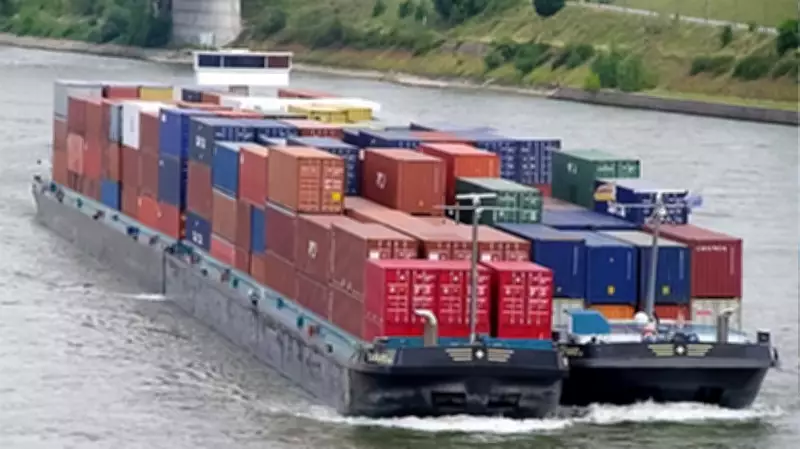
Nigerian ports recorded a 67.6 percent growth in export-laden container traffic, rising from 61,332 TEUs in the first quarter of 2025 to 102,803 TEUs in the first quarter of 2026. This increase is attributed to improved export logistics and terminal efficiency.
Vehicle traffic also emerged as a major growth area, with total vehicle units handled increasing by 67 percent to 58,870 during the quarter, compared to 35,262 in the same period last year. The operational growth was highlighted in the Q1 2026 Operational Performance Review released by the Nigerian Ports Authority (NPA) yesterday.
Gross Tonnage and Cargo Throughput
The report also showed that Gross Registered Tonnage (GRT) for ocean-going vessels surged by 19.5 percent to 46.75 million, underscoring the increasing dominance of larger-capacity ships across the nation's ports. This growth comes amid ongoing reforms aimed at positioning Nigeria as a regional trade hub under the African Continental Free Trade Area (AfCFTA).
Total cargo throughput, excluding crude oil terminals, also posted strong growth during the quarter, increasing by 11.6 percent year-on-year to 32.38 million metric tonnes from 29.02 million metric tonnes recorded in the corresponding period of 2025.
Outward Cargo and Transshipment Activity
One of the strongest performances came from outward cargo traffic, which surged by 23.7 percent to 14.13 million metric tonnes, reflecting stronger export competitiveness and deeper integration into regional and global supply chains. The report further highlighted an 83.1 percent increase in transshipment container activity, reinforcing Nigeria's growing relevance within regional maritime trade and logistics networks.
The NPA attributed the growth to rising trade volumes, stronger import and export activities, improved port productivity, and sustained demand for port services. According to the NPA report, the rise in vessel tonnage signals improved cargo-carrying efficiency and growing confidence among international shipping lines in Nigerian ports.
Industry analysts noted that the increase in transshipment activity is particularly significant because it suggests Nigeria is beginning to attract more regional cargo movement within West Africa, a critical objective as AfCFTA gradually dismantles trade barriers across the continent.
Strategic Shift and Port Reforms
The report noted that the development reflects a strategic shift toward larger and more efficient vessels, driven partly by the operational impact of the Lekki Deep Sea Port and expanding trade demand. The NPA stated that the Q1 performance demonstrates that the maritime sector is evolving into a more cargo-intensive and commercially dynamic ecosystem capable of supporting economic growth, trade facilitation, and regional connectivity.
The Managing Director of NPA, Dr Abubakar Dantsoho, recently acknowledged that Nigeria still handles only about 25 percent of cargo traffic in West Africa despite accounting for more than 60 percent of the region's Gross Domestic Product (GDP). He stressed that the country must sustain ongoing reforms to fully optimise its maritime potential.
PEBEC Clean-Up Operation
Meanwhile, the Presidential Enabling Business Environment Council (PEBEC) will begin a two-day clean-up and enforcement operation along the Lagos port corridor on May 14 and 15, 2026, to address congestion and traffic bottlenecks around the Apapa and Tin Can ports. In a statement, the Director-General of the Environment Council, Zahrah Audu, said the exercise was aimed at improving trade facilitation and reducing the cost of doing business in Nigeria.
Audu stated: "Congestion and unauthorised checkpoints along port access roads have continued to slow cargo movement and increase logistics costs." She explained that the operation would involve the Nigerian Ports Authority (NPA), Customs, the police, the Lagos State government, port terminal operators, and other security and regulatory agencies.
Audu noted that the exercise was expected to improve traffic management, reduce cargo delays, and enhance operational efficiency within Nigeria's busiest maritime corridor. "The clean-up operation is not intended to disrupt legitimate business activities but to create a more predictable and efficient environment for port users," she said.
According to the statement, expected benefits of the exercise include improved traffic management, faster cargo movement, reduced delays affecting businesses and port users, enhanced environmental sanitation and public order, and the removal of illegal structures and operational obstructions.
Audu urged freight forwarders, clearing agents, transport operators, traders, and stakeholders within the ports ecosystem to cooperate with enforcement officials and comply with lawful directives during the operation. PEBEC was established in 2016 to reduce bureaucratic bottlenecks, improve Nigeria's business environment, and promote digital transparency in government parastatals.