Nigeria's Maritime Sector Achieves Historic 24.8% Cargo Growth Amid Sweeping Port Reforms
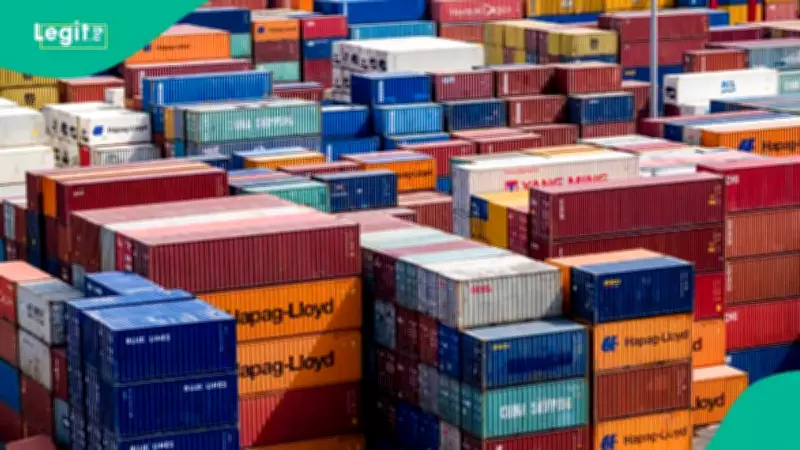
Nigeria's maritime sector has experienced a remarkable surge in activity, marking one of the most significant growth periods in the nation's history, following comprehensive reforms designed to modernize port systems and enhance global trade integration. The Nigerian Ports Authority (NPA) reported that in 2025, the sector saw unprecedented increases in cargo movement, container traffic, and export operations, driven by strategic initiatives under President Bola Ahmed Tinubu's administration.
Record-Breaking Cargo Throughput and Revenue Gains
According to the latest operational performance report from the NPA, total cargo throughput soared by 24.8%, rising from approximately 103.6 million metric tonnes in 2024 to over 129.3 million metric tonnes in 2025. This historic growth reflects the impact of ongoing reforms aimed at repositioning Nigeria's ports as competitive gateways for international commerce. Abubakar Dantsoho, Managing Director of the NPA, highlighted this development as a pivotal moment in the country's maritime evolution.
The financial performance of the NPA has also shown substantial improvement, with revenue generation climbing from N894.86 billion in 2024 to a projected N1.28 trillion in 2025, largely fueled by increased cargo activity and digital automation efforts. Additionally, remittances to the Consolidated Revenue Fund reached N400.8 billion in 2024, nearly doubling the previous year's figures, underscoring the economic benefits of these reforms.
Infrastructure Upgrades and Digital Transformation
Central to the reform program is a large-scale infrastructure upgrade across key ports, including Apapa Port, Tin Can Island Port, Port Harcourt Port, Warri Port, and Calabar Port. The government plans to reconstruct quay walls, deepen navigation channels, and deploy modern cargo-handling equipment to accommodate larger vessels and reduce logistical bottlenecks. These enhancements are expected to significantly decrease vessel waiting times, accelerate cargo clearance, and lower freight costs for importers and exporters, potentially reclaiming cargo volumes diverted to neighboring ports in Benin, Togo, and Ghana.
Alongside physical upgrades, the introduction of the National Single Window digital system is set to streamline trade documentation and eliminate administrative hurdles. This platform will allow importers and exporters to submit all required paperwork through a single electronic interface, rather than navigating multiple government agencies separately. Femi Gbajabiamila, Chief of Staff to the President, described this initiative as a transformative reform that will enhance transparency and coordination in port operations.
Economic Impact and Regional Ambitions
The reforms are poised to have wide-ranging effects on Nigeria's economy, supporting industries reliant on imported raw materials, strengthening export competitiveness, and creating employment opportunities across logistics, engineering, and technology sectors. Estimates suggest that a fully digitalized maritime ecosystem could generate more than 100,000 direct and indirect jobs, contributing to economic diversification and long-term growth.
Officials aim to position Nigeria as a dominant maritime logistics hub for West and Central Africa, leveraging its strategic location along major global shipping routes and new facilities like the Lekki Deep Sea Port. With modern infrastructure and efficient digital systems, Nigeria is increasingly viewed as a potential redistribution center for cargo across the region, attracting foreign investment into shipping, manufacturing, and logistics sectors.
Challenges and Future Prospects
For years, Nigeria's ports have grappled with congestion, aging facilities, and bureaucratic delays, costing the country over N1 trillion annually due to inefficiencies. The current reforms address these issues by focusing on operational efficiency and technological integration. Analysts believe that the National Single Window could increase customs revenue by 10 to 20% annually, adding between N600 billion and N1.2 trillion to government income if fully operational.
Observers note that sustaining these reforms is crucial for transforming Nigeria's port system into a major engine of economic growth. By reducing logistics costs and improving trade procedures, the maritime sector is set to play a key role in driving national development and enhancing Nigeria's competitiveness on the global stage.