Shippers' Council Urges Dialogue Over Tariff Hike, Warns Against Economic Disruption
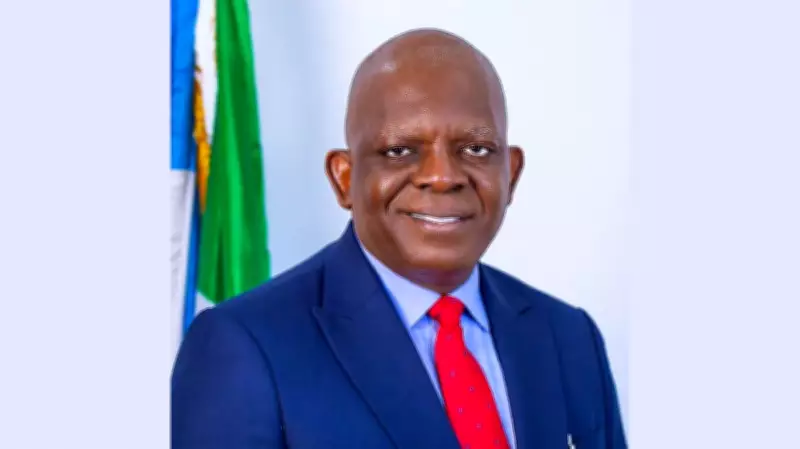
The Executive Secretary and Chief Executive Officer of the Nigerian Shippers' Council, Dr. Pius Akutah, has issued a strong appeal to freight forwarders to adopt dialogue as a constructive method for resolving grievances, rather than resorting to industrial actions that could potentially undermine the nation's economy. This call comes in response to recent protests by freight forwarders who picketed the offices of Mediterranean Shipping Company (MSC) over a recent increase in shipping line tariffs.
Protests and Resistance to Dialogue
Despite the council's efforts to engage the aggrieved freight forwarders in discussions, the protesters resisted these attempts, insisting that there was no basis for dialogue. They have vowed to continue their protests on Monday, demanding an immediate reversal of the increased charges. The situation highlights a growing tension within the maritime sector, with stakeholders expressing frustration over the tariff hikes.
Dialogue as a Modern Dispute Resolution Mechanism
Dr. Akutah emphasized that dialogue remains the most effective and modern dispute resolution mechanism, describing it as faster, more humane, and more productive than what he termed a "bottled anger approach." He warned that prolonged industrial disputes within the maritime sector could lead to significant disruptions in port operations, negatively impacting trade and broader economic activities across Nigeria.
Council's Stance on Professional Conduct
While acknowledging the right of stakeholders to express their concerns, the council condemned what it described as the unprofessional conduct of some freight forwarders. Specifically, it criticized the act of blocking regulators from accessing the MSC premises to address the matter, stating that such actions hinder constructive resolution efforts and could escalate the conflict.
Previous Intervention and Ongoing Commitment
Dr. Akutah recalled that during a similar protest over the same tariff increment a few weeks earlier, the council intervened and compelled MSC to suspend the collection of the disputed charges for two days while discussions were ongoing. This precedent underscores the council's proactive role in mediating disputes. He reiterated the council's unwavering commitment to mediating between shipping companies and freight forwarders, aiming to ensure fair practices and maintain stability within the maritime industry.
The council's efforts are focused on fostering a collaborative environment where grievances can be addressed through negotiation, thereby preventing economic fallout from prolonged disputes. As the situation unfolds, stakeholders are urged to consider the broader implications of their actions on Nigeria's trade and economic health.