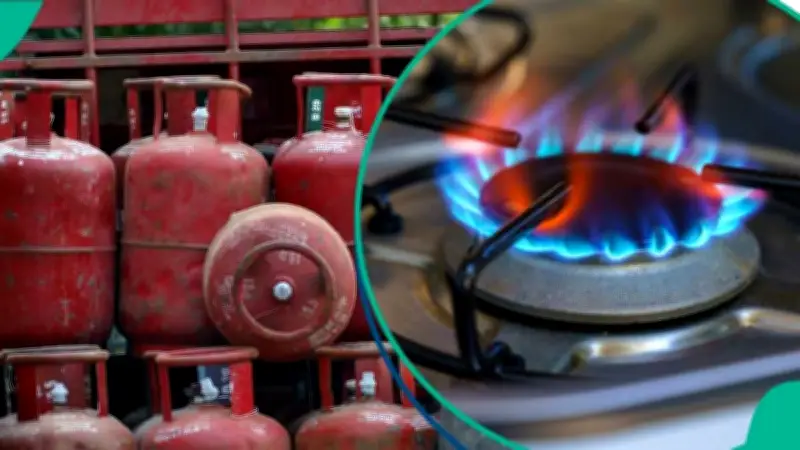
Cooking gas prices have climbed to as high as ₦1,900 per kilogramme in some Lagos communities, reflecting widening price gaps and supply shortages that are straining household budgets. The increase follows months of volatility in Nigeria’s Liquefied Petroleum Gas (LPG) market, with prices having fallen by 39% to 40% from June peaks before reversing course in September as depot prices increased and international market pressures returned.
Market Survey Reveals Wide Price Variations Across Lagos
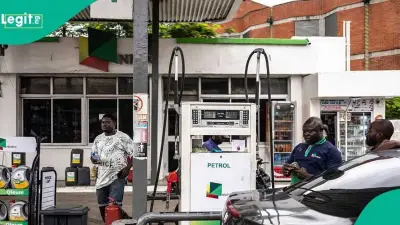
A market survey by Leadership found that LPG sold for between ₦1,250 and ₦1,400 per kilogramme at several Lagos outlets, while prices were considerably higher in some communities along the Lagos-Ibadan Expressway. At a mobile gas station around Anthony, Lagos, LPG sold for ₦1,250 per kilogramme, while a consumer at Beesam reported buying at ₦1,400.
The price differences translate into significant costs for households. A consumer buying 10kg would spend ₦12,500 at the Anthony outlet and ₦14,000 at an outlet charging ₦1,400. Filling a 12.5kg cylinder would cost about ₦15,625 at ₦1,250 per kilogramme and ₦17,500 at ₦1,400.

Prices were even more varied outside Lagos. At Conoil in Magboro, LPG was reportedly selling for ₦1,900 per kilogramme, while Cosy Cookwave in the same area and Julanky filling station in Arepo sold at ₦1,400. Availability is also becoming a concern. An outlet on Ashabi Cole Street, near Cadbury, had no LPG available when visited, limiting options for consumers in the area.
Structural Problems Behind Repeated Price Increases
The Nigeria Liquefied and Compressed Gases Association (NLCGA) said the repeated increases reflect deeper structural problems that have yet to be resolved. NLCGA Executive Secretary Lanre Bayewu said Nigeria does not have enough processing plants and distribution infrastructure to adequately serve its growing LPG market.
According to him, having abundant gas reserves does not automatically translate into affordable cooking gas without adequate processing, storage and distribution capacity. “Especially these basic infrastructures are key to stabilising the price of LPG, and outside that, consumers will continue to witness frequent increases in price,” Bayewu said. He added that market forces affecting LPG prices are largely beyond the direct control of marketers and government.
Dollar Pressures and Global Energy Costs Feed Into Prices
Foreign exchange and global energy costs are also affecting the domestic market. Bayewu explained that increased domestic production from facilities such as the Dangote Refinery does not completely shield consumers from international pricing because crude oil and feedstock costs are still linked to the dollar.
International propane and butane prices, alongside crude oil trading around $100 per barrel, have also increased depot and import costs. Industry reports have additionally pointed to an LPG supply deficit running into tens of thousands of metric tonnes, suggesting that domestic production and imports have not fully matched demand.
Households Adapt to Rising Costs
For consumers, the impact is increasingly visible in household budgets. Blessing Njoku, a Lagos resident, said frequent price changes make it difficult for families to plan how much they need for cooking gas. Another consumer, Kunle, said some buyers now compare prices at several outlets before refilling their cylinders.
Others are simply buying less. A consumer identified as Tolu said she sometimes purchases only the quantity she can afford rather than completely filling her cylinder. “Sometimes, you just buy the amount you can afford,” she said, adding that families are increasingly looking for ways to make each refill last longer.
The National Bureau of Statistics had also recorded double-digit monthly increases in the average retail price of a 5kg cylinder earlier in the year, highlighting the growing weight of cooking fuel on household expenses.
Path to Price Stability
Industry stakeholders say expanding LPG processing, storage, bottling and distribution infrastructure could reduce supply bottlenecks and price disparities between locations. A broader network of accredited retail outlets could also improve competition and reduce dependence on informal or limited supply channels.

Other important factors include improved domestic supply, lower crude oil prices, reduced foreign exchange pressure and closer coordination among producers, terminal operators, marketers and regulators. Until these structural challenges are addressed, stakeholders warn that Nigerian households could continue to face significant price differences, unpredictable availability and recurring increases in the cost of cooking gas.