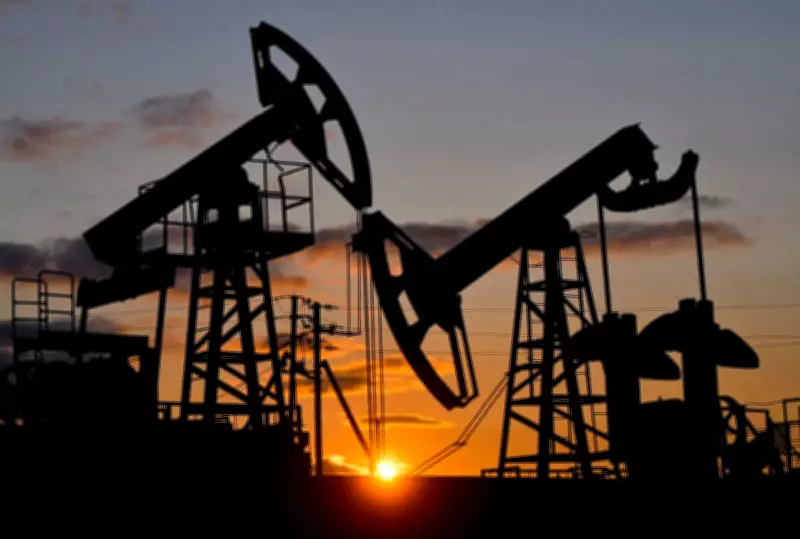
Oil Prices Edge Higher Despite Extended US-Iran Ceasefire
Oil prices experienced a notable increase on Wednesday, April 22, as global markets responded with caution to the persistent uncertainty surrounding the Middle East conflict. This occurred despite the extension of a ceasefire agreement between the United States and Iran, highlighting the complex dynamics at play in the region.
Benchmark Crude Prices Remain Elevated
Benchmark crude prices maintained their elevated positions, with Brent North Sea crude approaching the significant threshold of $100 per barrel. Meanwhile, US West Texas Intermediate crude traded above $90 per barrel. These price levels reflect ongoing and substantial concerns regarding disrupted energy supplies from the Middle East, a critical region for global oil production.
Mixed Global Market Reactions
European stock markets recorded declines, while Asian equities delivered a mixed performance. Investors are carefully weighing the prospects of renewed peace talks against the backdrop of persistent geopolitical risks. The financial markets' varied responses underscore the delicate balance between hope for diplomatic progress and fear of further escalation.
Expert Analysis on Market SentimentSusannah Streeter, chief investment strategist at Wealth Club, provided insight into the situation. "The ceasefire extension hasn't done much to calm nerves given that worries remain about the impact of the energy squeeze on the global economy. Shipments from the Middle East are in limbo and a resolution to the conflict remains elusive, and the price of Brent crude, the benchmark, reflects this," she stated.
Persistent Tensions and Incidents
Tensions remained notably high following reports that Iranian gunboats attacked at least one container ship in the Strait of Hormuz. This critical global shipping route has become a focal point of the conflict. The incident occurred despite US President Donald Trump's announcement of a ceasefire extension, intended to allow additional time for diplomatic efforts.
Washington has maintained a naval blockade of Iranian ports as negotiations, mediated by Pakistan, continue. However, Tehran has effectively restricted access through the strait in recent weeks, intensifying pressure on global energy markets and exacerbating supply concerns.
Strategic Perspectives on the ConflictChristopher Wong, a strategist at Oversea-Chinese Banking Corp, offered a strategic viewpoint. "The US and Iran may be trying to shore up leverage and playing a game of who blinks first. Whatever the outcome, the suspense in the interim may see risk appetite being curtailed," he explained.
Broader Economic Implications
The ongoing conflict, which escalated after US and Israeli strikes on Iran, has significantly pushed oil and gas prices higher. This increase raises serious concerns about global economic growth, as higher energy costs can stifle economic activity and contribute to inflationary pressures worldwide.
Monitoring US Monetary Policy Developments
Elsewhere, investors are closely monitoring developments in US monetary policy. Kevin Warsh, nominated to replace Federal Reserve chair Jerome Powell, told lawmakers during his confirmation hearing that he would act independently of political pressure. His nomination comes amid criticism from President Trump over the Federal Reserve's approach to interest rates, with the president previously urging more aggressive cuts despite rising inflation.
Inflation Data from the UK
In the United Kingdom, recent data showed inflation climbed to 3.3 percent in March. This highlights the broader economic impact of rising energy costs linked to the ongoing crisis, demonstrating how geopolitical events in the Middle East can have far-reaching effects on global economies.