Former INEC Commissioner Sounds Alarm Over Electoral Act Provisions
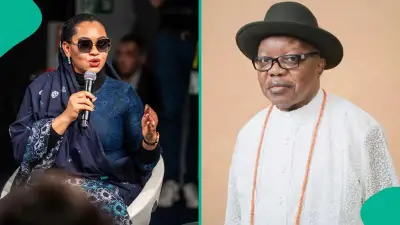
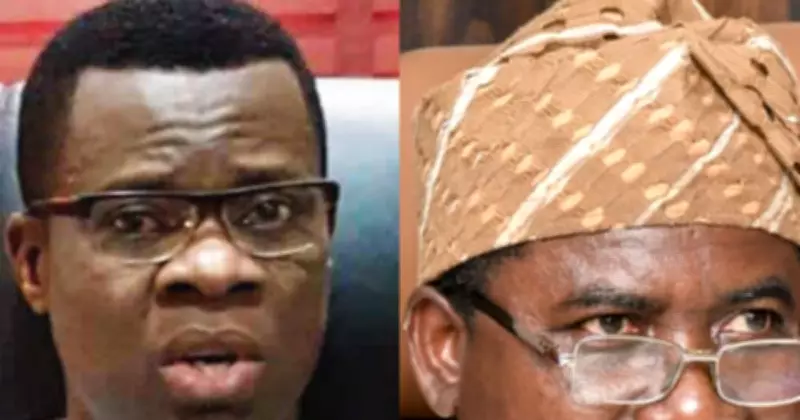
Fresh concerns have emerged regarding the integrity of Nigeria's upcoming 2027 general elections following alarming warnings from former electoral commissioner Mike Igini. The seasoned electoral official has identified what he describes as "very dangerous" provisions within the current Electoral Act that could potentially open the door to widespread manipulation and undermine democratic processes.
Controversial Sections Under Scrutiny
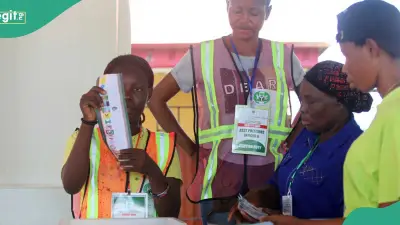
Speaking in a recent interview, Igini highlighted three specific sections of the Electoral Act that he believes pose significant threats to electoral transparency. Section 63 has drawn particular concern as it reportedly gives presiding officers discretion to accept ballot papers that lack official Independent National Electoral Commission security features.
"What that means is that before this election, politicians who now have access to the security features of INEC ballots are going to produce their own ballot papers, and that has to be accepted," Igini explained. This provision creates what experts fear could become a major loophole for introducing unofficial ballots into the voting process.
Weakening Judicial Oversight
Igini also raised serious concerns about Section 138, which he characterized as a long-standing "rigging provision." According to his analysis, this section suggests that actions by electoral officers violating INEC guidelines—but not explicitly breaking the law—cannot automatically be used to challenge election results in court.
"The judiciary must be the last line of defence of democracy," Igini emphasized, expressing concern that this has not always been the case in Nigeria's electoral history. He further criticized Section 137, arguing that it removes the need to directly hold individual electoral officers accountable during election petitions, even when they are central to alleged irregularities.
Historical Context and Future Implications
The former commissioner referenced past elections, including the contentious 2019 and 2023 polls, where disputed results and questionable documents became major legal battles. He stressed that these combined provisions weaken both electoral accountability and judicial scrutiny, potentially making it more difficult to prove malpractice in court.
Igini's warnings come at a critical juncture as Nigeria prepares for another major electoral cycle. His claims are likely to spark significant debate among political stakeholders, legal experts, and civil society organizations about whether the current electoral framework provides sufficient safeguards for free and fair elections.
Broader Implications for Nigerian Democracy
These revelations have begun raising fresh questions about the strength of Nigeria's electoral system. As the country continues to work toward improving its democratic processes, concerns about potential vulnerabilities in the legal framework take on added significance.
The former commissioner's analysis suggests that without addressing these identified weaknesses, the 2027 elections could face credibility challenges even before voting begins. His warnings highlight the ongoing need for continuous electoral reform and robust oversight mechanisms to protect Nigeria's democratic institutions.