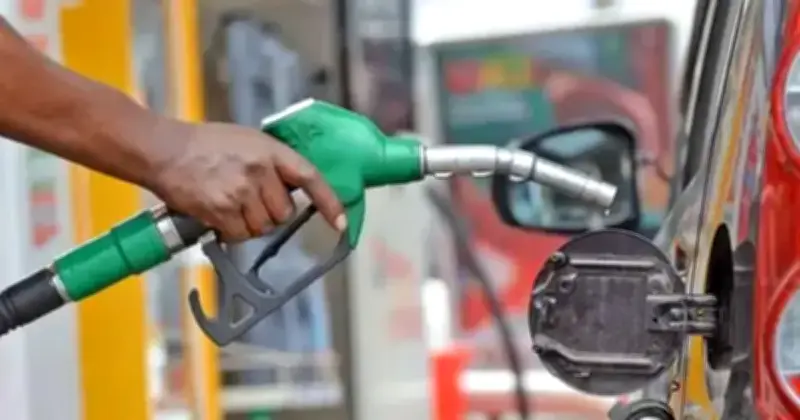
Petrol prices in Nigeria have fallen below ₦1,300 per litre in some locations after Dangote Refinery reduced ex-depot prices. However, the volatile fuel market continues to swing between increases and reductions, leaving Nigerians facing unstable transport and living costs.
Price Reduction Details
Private depots and marketers have adjusted prices, but changes vary across states due to logistics and supply chains. The Dangote Refinery cut its petrol ex-depot price from about ₦1,275 to ₦1,250 per litre, influencing private depots and marketers to lower their rates to remain competitive. As a result, some filling stations in Lagos, Ogun, and other urban centres now sell petrol between ₦1,250 and ₦1,295 per litre, while a few outlets briefly dipped below ₦1,300 depending on location and logistics costs.
Market Volatility
The current drop is part of a wider pattern of volatility that has defined Nigeria’s post-subsidy fuel market. Since the removal of fuel subsidies in 2023 and full deregulation of pricing, petrol costs have fluctuated sharply, rising when global crude prices or exchange rates climb, and falling when depot prices are adjusted or competition intensifies among suppliers. This constant fluctuation has left many Nigerians struggling to plan transport and business expenses. Transport fares often rise quickly when fuel increases but rarely drop at the same pace when prices fall, creating a lag that consumers say worsens the cost of living.
Industry Data and Trends
Industry data shows that petrol prices in Nigeria have moved through several cycles in recent years, at times crossing ₦1,400 per litre in some regions before dropping closer to ₦1,200–₦1,300 ranges when refinery or depot prices are reduced. But these reductions are often unevenly reflected across states due to logistics costs, dealer margins, and regional supply differences.
Dangote Refinery's Role
While domestic refining, especially from the Dangote Refinery, has improved local supply and reduced import dependence, it has not fully stabilised pump prices. Instead, Nigeria now operates a market-driven system where global oil trends, exchange rates, and domestic competition all interact to determine what consumers pay daily. The latest price cut is also being linked to broader competition among fuel depots, many of which have been adjusting their prices in response to Dangote’s dominance in local supply. This has intensified a price war of sorts, offering temporary relief but also contributing to unpredictable swings.
Impact on Nigerians
For ordinary Nigerians, the impact is mixed. While lower prices provide brief relief for commuters and small businesses, the uncertainty of how long such reductions will last continues to fuel frustration.