
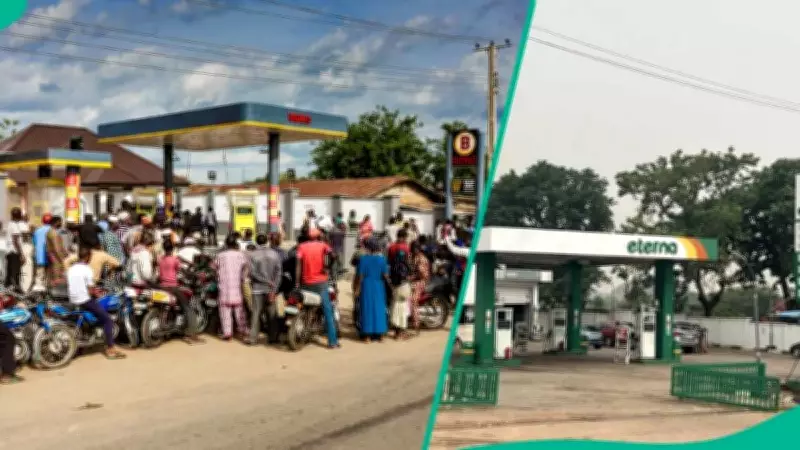
Private Fuel Depots Hike Petrol Prices to N1,000 Per Litre Amid Global Crude Surge
Private fuel depots across Nigeria have significantly increased the price of Premium Motor Spirit (PMS), commonly known as petrol, to approximately N1,000 per litre in Lagos. This sharp rise comes as global crude oil prices surge toward $90 per barrel and the Dangote Petroleum Refinery temporarily halts petrol loading operations, creating heightened market uncertainty and price volatility.
Market Checks Reveal Upward Price Revisions
Market checks conducted by Petroleumprice.ng indicate that several depot operators have begun revising their prices upward, signaling renewed pressure in the downstream petroleum sector. This development raises serious concerns about a potential ripple effect at filling stations nationwide, as depot prices often serve as a precursor to retail adjustments.
The price surge is particularly evident in Lagos, where major private depots like Rainoil and Eterna have already moved their petrol prices to the N1,000 per litre mark. This represents a significant jump from recent rates and reflects growing volatility in the domestic fuel supply chain. Industry observers note that Lagos typically serves as the pricing benchmark for other regions due to its high concentration of petroleum depots and distribution infrastructure.
Regional Depots Follow Upward Trend
Outside Lagos, similar price adjustments are emerging across other supply hubs. In Calabar, the Fynefield depot was observed quoting petrol at N1,050 per litre, highlighting a broader upward movement across regional depots. Market participants explain that price differences between locations are largely influenced by logistics costs, supply availability, and transportation expenses required to move petroleum products across the country.
The rising depot prices are likely to place additional pressure on independent marketers who depend on these facilities to source fuel for retail stations. These marketers must now navigate increased costs while determining how to adjust retail prices without losing customers in an already strained economic environment.
Dangote Refinery Halt Sparks Market Uncertainty
The price surge is closely linked to the recent suspension of petrol loading at the Dangote Petroleum Refinery. Although many industry players view this halt as temporary, it has triggered widespread speculation across the downstream sector about potential price adjustments in the coming weeks. The refinery had become a major supply source for domestic petrol distribution since it began releasing products into the Nigerian market, helping to moderate price volatility in recent months.
With loading activities paused, depot owners and marketers are closely monitoring developments to determine how supply dynamics could shift. The uncertainty surrounding the refinery's operations adds another layer of complexity to an already volatile market situation.
Global Crude Prices Add Further Pressure
Simultaneously, the global oil market has been strengthening, with Brent crude moving toward the $90 per barrel mark. Higher crude prices generally translate into increased production and import costs for refined petroleum products, creating upward pressure on domestic pump prices. Industry operators note that the combination of tightening global markets and local supply uncertainties has made the current pricing environment highly sensitive to external shocks.
Market analysts emphasize that the interplay between international oil prices and domestic refinery operations creates a perfect storm for price increases, with consumers ultimately bearing the brunt of these market forces.
Implications for Nigerian Consumers
With depot prices already hitting N1,000 per litre in some locations, analysts warn that retail pump prices at filling stations could also rise if the trend continues. Fuel marketers are currently watching both international oil prices and domestic supply developments before making further adjustments to retail pricing.
For many Nigerians already grappling with high transportation and living costs, another petrol price increase could deepen economic pressure and spark fresh debates about the country's fuel market reforms. The potential for increased transportation costs could have cascading effects on food prices and other essential goods, further straining household budgets across the nation.
Industry checks indicate that the latest price increase is largely being driven by independent marketers responding to tightened supply conditions and the continued suspension of gantry sales at Dangote Refinery. As the situation evolves, stakeholders across the petroleum value chain will need to navigate these challenges while balancing economic realities with consumer affordability concerns.




