
The initial euphoria that greeted the end of the record-breaking United States government shutdown quickly dissipated in Asian markets on Thursday. Traders shifted their focus back to concerns over Federal Reserve interest rates and growing anxieties about a potential bubble in the technology sector.
Shutdown Ends, But Economic Worries Linger
Washington lawmakers voted on Wednesday night to send legislation to President Donald Trump, effectively ending the 43-day government stoppage. This lengthy closure had shuttered key services and, crucially, suspended the release of economic data vital for assessing the health of the world's largest economy.
Despite the bill's expected signing, the mood on trading floors was notably less upbeat than earlier in the week. The reopening does not mean an instant return to normal for the real economy, warned Stephen Innes of SPI Asset Management. He noted that the aftershocks of the prolonged closure will manifest in backlogs and operational stress far from the Capitol.
Investors are now awaiting the long-delayed economic reports, which the Fed will scrutinize as it decides whether to cut interest rates next month. However, the White House indicated that key figures for October, including jobs and consumer price data, are unlikely to be released as statistics agencies could not collect the necessary information during the shutdown.
Tech Sector and Yen in the Spotlight
Beyond the shutdown's aftermath, significant concerns are mounting over the sustainability of this year's artificial intelligence-led market rally. Many fear that valuations have been pushed too high, creating a tech sector bubble that could burst. This worry was reflected in the Nasdaq dropping for two consecutive days, while the Dow managed to close at a record high amid speculation of a sector rotation into industrials.
This mixed performance on Wall Street was mirrored across Asia. Markets in Hong Kong, Sydney, Seoul, Singapore, Manila, and Wellington all fell, while Tokyo edged slightly higher. Shanghai and Jakarta were flat.
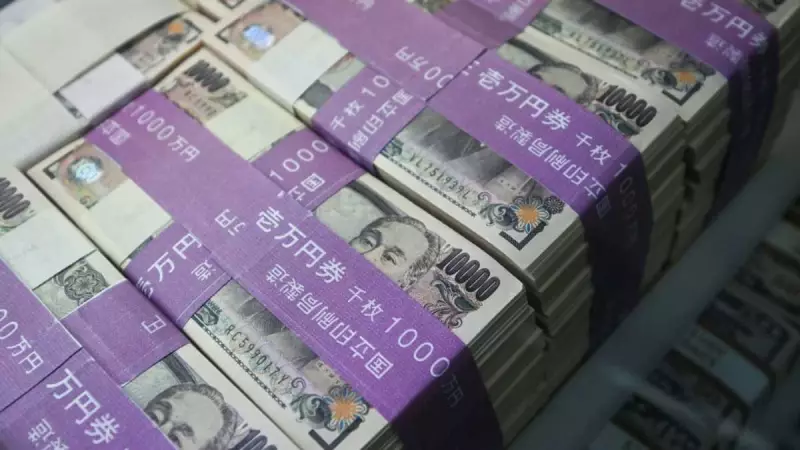
Attention is also fixed on Tokyo for another reason: the continued weakening of the Japanese yen. Finance Minister Satsuki Katayama stated the government is watching currency markets with a high sense of urgency. Following her remarks, the yen weakened further to around 155 per US dollar, sparking speculation that Japanese authorities might intervene to support the currency.
Commodities and Key Market Figures
Oil prices extended their losses, falling another 0.3% after plunging around 4% on Wednesday. The drop followed an OPEC report that forecast an oversupply in the third quarter, a stark reversal from its prediction of a deficit just a month prior. The commodity remains under pressure due to easing Middle East tensions and increasing output.
Key figures around 0230 GMT showed:
- Tokyo's Nikkei 225: UP 0.2% at 51,166.78
- Hong Kong's Hang Seng Index: DOWN 0.1% at 26,894.91
- Dollar/Yen: UP at 154.90 yen
- Brent Crude Oil: DOWN 0.3% at $62.55 per barrel




