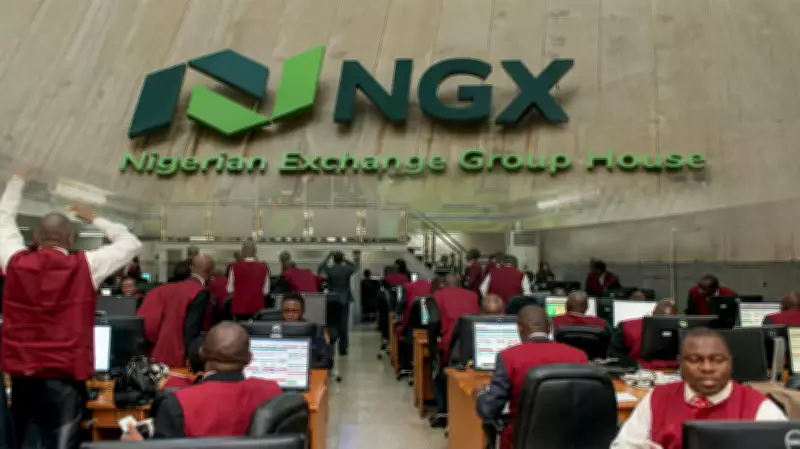
Nigeria's equities market delivered one of its strongest opening runs in recent history, with investors gaining N56.62 trillion in market value within the first four months of 2026. Data from the Nigerian Exchange Limited (NGX) showed that total market capitalisation rose from N99.376 trillion at the close of trading on December 31, 2025, to N155.994 trillion on April 30, 2026. This represents a net increase of N56.618 trillion, translating to a 56.97 per cent surge in value during the period.
All-Share Index Rises
The all-share index mirrored the same bullish trajectory, rising from 155,612.9 basis points at the start of the year to 242,277.81 basis points by April 30. The 86,664.91-point gain represents a year-to-date return of 55.69 per cent, confirming the strength and breadth of the rally.
Key Sectors Driving Growth
The historic run has been driven largely by a handful of high-performing sectors, with energy, industrial goods, banking, and consumer goods emerging as the key engines of growth. The oil and gas sector maintained leadership in 2026, supported by sustained buying in companies such as Seplat, Aradel Holdings, and Japaul Gold. By the end of April 2026, the sector achieved a year-to-date (YTD) gain of 128.34 per cent, making it the strongest-performing index on the exchange. Analysts attributed the surge to improved oil market fundamentals, foreign exchange dynamics, and stock-specific re-ratings in upstream and integrated energy firms.
Industrial Goods Rally
Industrial goods also played a decisive role in the rally, particularly cement manufacturers. In the first quarter alone, industrial and building materials stocks contributed N9.786 trillion to market capitalisation growth. BUA Cement Plc added N5.02 trillion in value, while Dangote Cement Plc contributed N3.39 trillion. Lafarge Africa Plc added N1.38 trillion. At the end of April, the sector had returned a 98.8 per cent gain to investors, reflecting heightened appetite for infrastructure-linked and defensive industrial counters.
Banking and Consumer Goods
Banking stocks remained bullish, benefiting from recapitalisation expectations, stronger earnings, and increased institutional participation. The NGX Banking Index recorded significant momentum throughout April, achieving a YTD gain of 50.5 per cent as financial stocks consistently ranked among the most actively traded. Consumer goods counters added further depth to the rally, supported by renewed demand in large-cap names and improved sentiment around pricing power and earnings recovery. By April 30, the consumer goods sector gained 22 per cent, posting steady gains and contributing to overall market breadth as investors rotated into fundamentally strong and dividend-yielding stocks.
Factors Behind the Rally
Operators noted that the four-month rally reflected a combination of domestic and external factors, including improved macroeconomic sentiment, increased liquidity, stronger corporate disclosures, and signs of foreign portfolio inflows returning to the market. According to them, clarity around banking recapitalisation, relative naira stability, and structural reforms in the capital market ecosystem helped reinforce investor confidence. They also noted that extended trading hours introduced by the exchange in April deepened liquidity and improved price discovery, adding momentum to the bullish cycle.