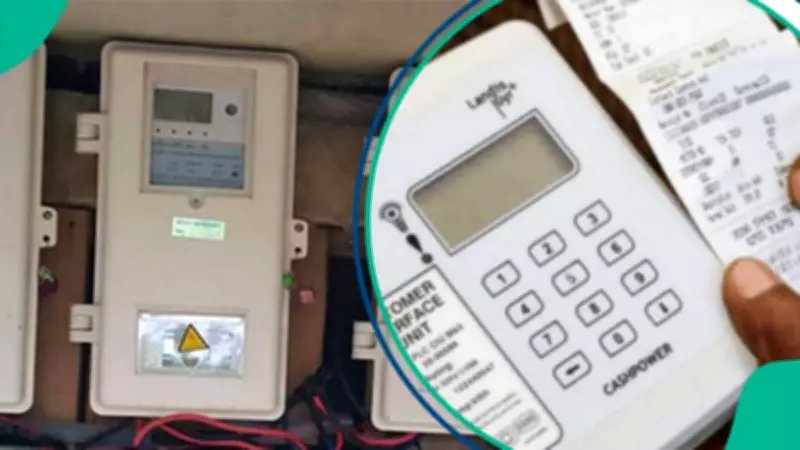
Electricity Distribution Companies Implement New Tax Compliance Requirements
Electricity Distribution Companies across Nigeria have introduced new compliance requirements for corporate customers seeking to recharge their meters or receive electricity bills. This significant update follows the implementation of the Nigeria Tax Act 2025, which officially took effect on January 1, 2026.
Ikeja Electric Sets February 20 Deadline for Compliance
Among the DisCos that have formally communicated this change is Ikeja Electric Distribution Company, which has issued a public advisory to its corporate clients. The company has set a firm deadline of February 20, 2026, for businesses to submit at least one approved identification document to avoid possible service disruption.
According to the utility provider, the new tax law requires that every invoice must include at least one of the following identification details:
- Tax Identification Number (TIN)
- Corporate Affairs Commission (CAC) registration number
- National Identification Number (NIN)
The company has warned that invoices generated without any of these identification details would be considered invalid under the law. "To enable us to comply with this statutory requirement and reflect the information on your January 2026 and subsequent bills, we kindly request that you provide any one of the required details," the notice stated.
Consequences of Non-Compliance
Failure to meet the February 20 deadline may prevent the generation of electricity bills and could ultimately lead to service suspension for corporate customers. The new requirement primarily affects businesses and other corporate electricity users who may find themselves unable to recharge prepaid meters or receive valid postpaid bills without submitting at least one of the approved identification numbers.
Since invoices without the required identification are deemed invalid under the Nigeria Tax Act 2025, DisCos risk regulatory breaches if they continue billing non-compliant customers. As a result, service interruption may become unavoidable for businesses that fail to update their records in time.
Broader Implications for Business Operations
This development underscores a broader push by the Federal Government to strengthen tax compliance and improve transparency across sectors, including utilities. For businesses, the message is clear: compliance is no longer optional. Providing a TIN, CAC registration number, or NIN has now become a prerequisite for continued electricity supply under the new tax framework.
With the February 20 deadline fast approaching, corporate customers are strongly advised to update their records promptly to avoid billing disruptions and the risk of service suspension. The requirement represents a significant shift in how businesses must interact with utility providers and demonstrates the government's commitment to formalizing economic activities.
Industry-Wide Implementation
While Ikeja Electric has publicly announced the new requirement, it remains unclear whether all other electricity distribution companies have issued similar directives. Efforts to confirm the position of the industry umbrella body proved unsuccessful, as Sunday Oduntan, Chief Executive Officer of the Association of Nigerian Electricity Distributors, could not be reached for comment at the time of reporting.
However, industry observers expect that other DisCos, including EKDC and their counterparts nationwide, will align with the same compliance framework, given the nationwide scope of the tax legislation. The uniform implementation across all distribution companies would ensure consistent application of the tax law requirements throughout Nigeria's electricity sector.
Preparing for the Compliance Deadline
Corporate customers should take immediate steps to ensure they have at least one of the required identification numbers ready for submission to their electricity distribution company. Businesses that have not yet registered for these identification numbers should begin the process immediately to avoid potential service disruptions.
The new requirements represent a significant administrative change for businesses across Nigeria, but they also reflect the government's efforts to create a more transparent and accountable business environment. Companies that comply promptly will ensure uninterrupted electricity service while contributing to national tax compliance efforts.