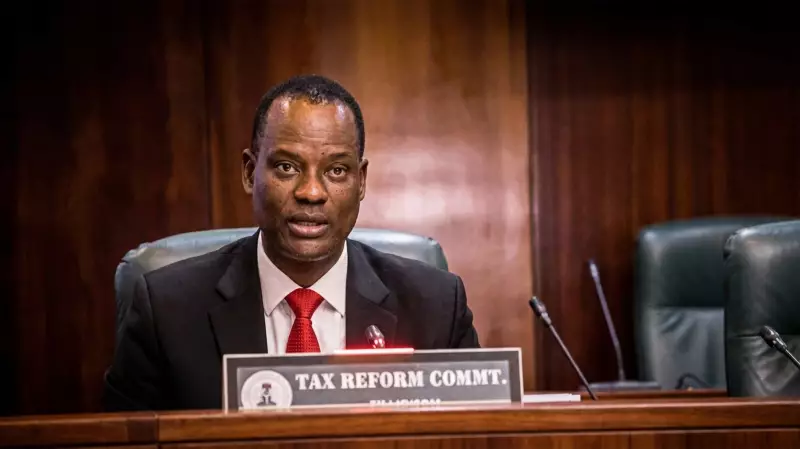
The Chairman of Nigeria's Presidential Committee on Fiscal Policy and Tax Reforms, Mr. Taiwo Oyedele, has made a public appeal for support, revealing he is facing personal threats due to the federal government's ongoing overhaul of the nation's tax system.
Reforms Met with Threats and Misinformation
Speaking at a governance colloquium in Abuja on Tuesday, January 14, 2026, held to mark the 50th birthday of Hajiya Hadiza Bala Usman, the President's Special Adviser on Policy and Coordination, Oyedele stated that resistance was expected. He disclosed receiving threats simply for attempting to fix what he described as a broken system.
"Reforms are hard, and tax reforms are even harder. You need courage. I receive threats simply for trying to fix a broken system," Oyedele told attendees. He emphasized that implementing such significant changes requires exceptional courage due to the entrenched interests affected.
Battling Public Mistrust and Communication Gaps
Oyedele pinpointed several core challenges hindering the reform process. A profound lack of public trust in government, a weak culture of tax compliance, and poor understanding of how taxes translate to public services are major obstacles. He noted that Nigeria's tax-to-GDP ratio remains critically low compared to similar economies, making comprehensive reform non-negotiable for sustainable development funding.
A significant communication gap is also fueling opposition. The committee chairman explained that many Nigerians mistakenly believe new taxes are being introduced. In reality, the government is reducing and harmonizing existing taxes. "Suddenly, there is a national awareness, and they just say, the people have come with taxes all over the place when actually, what the government is doing is to reduce those taxes they have been paying, and harmonise them," he clarified.
A Call to Action and a Surgical Approach
Oyedele issued a direct call to citizens who support the reforms to become more vocal in the public discourse. He warned that silence allows critics and vested interests to dominate the narrative and spread misinformation.
He defended the committee's comprehensive approach, arguing that past efforts were merely temporary fixes. "What we have been doing all along... was pain reliever. It hasn't taken us far. It can't take us far. Now we're doing the surgery. It's going to come with some pain, but that's the only right thing to do," Oyedele stated.
The new tax framework, enforced since January 1, 2026, is built on four key pieces of legislation:
- The Nigeria Tax Act 2025
- The Nigeria Tax Administration Act 2025
- The Nigeria Revenue Service Establishment Act 2025
- The Joint Revenue Board Establishment Act 2025
Despite the online abuse, threats, and significant political and economic risks involved, Oyedele expressed optimism. He described the current push as unprecedented in his lifetime and urged Nigerians to stay committed to the process for the country's long-term benefit.