CBN Governor Links Scarcity of N100 and N200 Notes to Digital Payments and Inflation
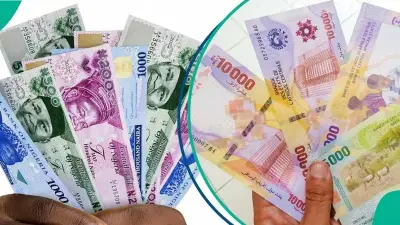
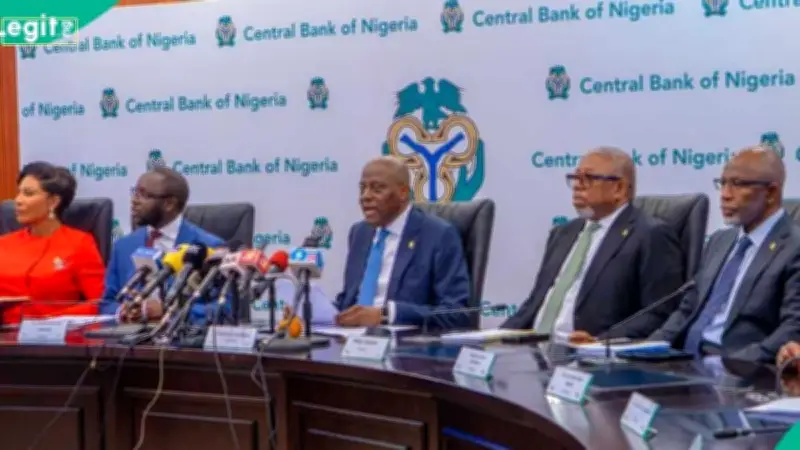
The Central Bank of Nigeria (CBN) Governor, Olayemi Cardoso, has attributed the growing scarcity of N100 and N200 banknotes across the country to the increasing adoption of digital payment platforms and the declining purchasing power of low-value currency. Cardoso made this statement after the Monetary Policy Committee (MPC) meeting in Abuja on Tuesday, emphasizing that neither denomination has been withdrawn from circulation.
Cardoso urged Nigerians to continue accepting the lower-denomination notes, stating: "Yes, they remain legal tender. Unless the central bank states otherwise, Nigerians should assume that all existing denominations remain legal tender."
Why Lower-Denomination Notes Are Disappearing
The CBN governor explained that Nigeria's financial system is undergoing a significant shift away from cash, particularly smaller notes, as electronic transactions become more prevalent in daily life. "As more people adopt digital payment channels, the demand for coins and lower-denomination notes naturally declines. If there is less demand for them, there is less need to print and circulate them in large quantities," Cardoso said.
He also pointed to inflation as a contributing factor, noting that the purchasing power of smaller notes has dropped significantly, making them less practical for most transactions. According to reports from Leadership, Cardoso added: "Of course, we must also acknowledge that currency devaluation has affected the purchasing power of lower-value notes. That is a reality. More importantly, however, as financial inclusion expands and digital payments become part of everyday life, fewer people will rely on these denominations."
CBN's Stance on Inflation and the Naira
On inflation, Cardoso stated that the CBN recorded 11 consecutive months of disinflation before external pressures slowed progress. He said the bank had been on course to achieve single-digit inflation by early 2027 before unexpected global developments intervened, but maintained that the target remains unchanged. "It is important to remember where we are coming from. We recorded 11 consecutive months of disinflation and, from every indication, we expected that by early 2027 we would be where we wanted to be in terms of inflation, with a path towards single-digit inflation," he said.
Responding to the International Monetary Fund's recent assessment that the naira is undervalued at around N1,150 to the dollar, Cardoso said the exchange rate should be driven by market forces rather than fixed benchmarks, as reported by The Cable. He reiterated that the CBN would continue supporting a foreign exchange market where transactions are based on willing buyers and sellers.
Supreme Court Ruling on Old Naira Notes
Earlier, Legit.ng reported that the Supreme Court nullified the ban on using old N200, N500, and N1,000 banknotes as legal tender. In a unanimous decision by a seven-member panel of justices, the apex court held that the old banknotes should remain legal tender, as reported by Vanguard newspaper.