The European Union has launched a significant expansion of its intellectual property protections, extending its coveted geographical indication (GI) label to cover non-agricultural products for the first time. As of Monday, December 1, 2025, master craftspeople across Europe can now register their iconic goods, placing them on the same protected footing as famous food and drink names like Champagne and Parma ham.
What the New EU Craft Protection Law Means
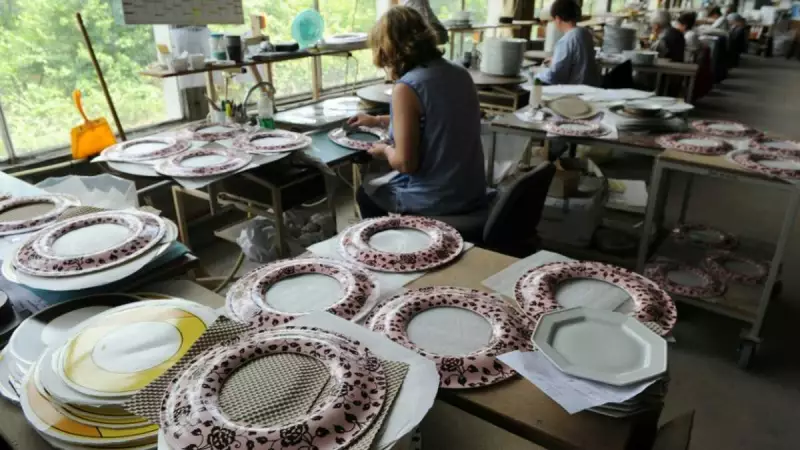
This landmark change is powered by a law adopted in 2023, which officially took effect this week. The system is designed to safeguard "iconic goods whose reputation and quality stem from their place of origin," according to the European Commission. This means products such as French Limoges porcelain, Irish Donegal tweed, Bohemian glass, and Solingen knives will now benefit from the same legal shield against imitation and misuse of their names.
The geographical indication is an intellectual property right that formally links a product's specific qualities, reputation, or defining characteristics to its geographical birthplace. For decades, this system has been a cornerstone for agricultural producers, and its success has now paved the way for crafts and industrial goods.
A Fight Against Fakes and a Boost for Local Economies
The move culminates a long push by artisan communities and the European Parliament. Their primary goals are to combat the widespread counterfeiting of traditional crafts and to provide tangible economic support to these vital sectors. The new framework draws on over 30 years of experience with agricultural GIs, a system that currently protects more than 3,600 product names.
The economic argument is powerful. According to data from Brussels, the existing GI scheme for food and drink generates approximately 75 billion euros (about $87 billion) annually and accounts for roughly 15% of all EU food and drink exports.
Stephane Sejourne, the EU's industry chief, emphasized the broader impact: "We are not only safeguarding the unique skills and traditions of our artisans, but also creating new opportunities for growth, jobs and many SMEs."
How the New Registration Process Will Work
Artisans and producers seeking to register their craft under the new scheme will navigate a two-stage process:
- National Level: Applications must first be submitted and vetted in the craft's country of origin.
- EU Level: Once approved nationally, the application proceeds to the European Union level for final validation and inclusion in the protected register.
This stepwise approach ensures local expertise is utilized while maintaining consistent EU-wide standards. The extension of the GI label is celebrated as a major victory for Europe's cultural heritage, empowering its glassblowers, potters, jewellers, weavers, and countless other skilled tradespeople to secure the future of their unique creations.