
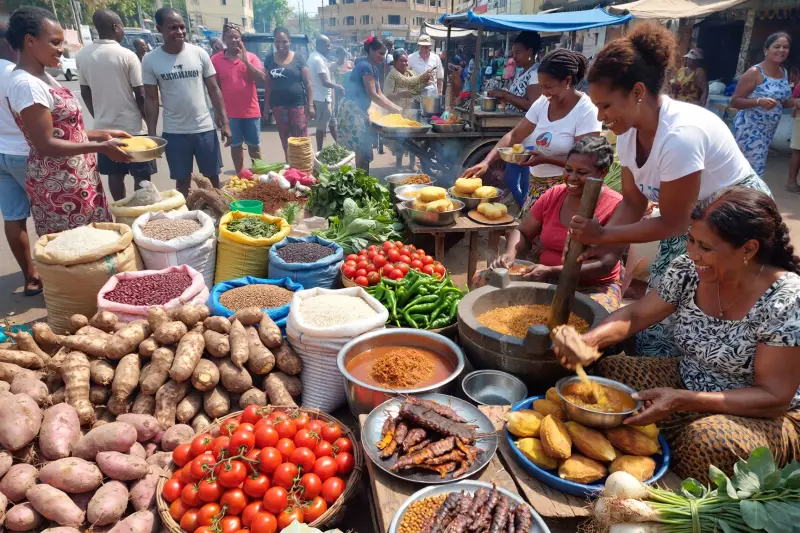
The first light of dawn in a Lagos street market, with vendors arranging pyramids of ripe tomatoes and the sharp, invigorating scent of freshly ground peppers hanging in the air, offers more than just a shopping experience. It is a profound introduction to the soul of Nigeria. This sensory immersion reveals that Nigerian food culture is not merely about sustenance; it is the very thread that weaves through the nation's social fabric, connecting naming ceremonies to political discussions and everyday life.
The Definition and Depth of Nigerian Food Culture
Food culture in Nigeria represents the collective practices, beliefs, and traditions surrounding how Nigerians produce, prepare, share, and celebrate meals. It is a dynamic, living heritage shaped by over 250 distinct ethnic groups, each contributing unique flavours and techniques refined over centuries. This culture encompasses the entire ecosystem of beliefs, rituals, agricultural practices, and social conventions tied to eating.
In practical terms, it includes the ceremonial offering of kola nuts to guests, the reservation of specific soups for special occasions, and the unspoken rules governing family meals. According to the National Bureau of Statistics, food expenditure accounts for approximately 56.7% of average household spending in Nigeria, underscoring its central role in daily life and the economy. The Federal Ministry of Agriculture and Rural Development also recognises this culinary heritage as integral to the nation's identity.
The Three Pillars: Major Ethnic Culinary Traditions
While Nigeria boasts immense diversity, three major cultural groups predominantly shape the national culinary landscape: the Hausa-Fulani of the North, the Igbo of the Southeast, and the Yoruba of the Southwest.
Hausa-Fulani cuisine reflects the semi-arid North's climate and pastoral traditions. Dishes like tuwo (a thick grain pudding), fura da nono (millet balls in fermented milk), and kilishi (spiced dried meat) are staples. Islamic traditions strongly influence food practices here, emphasizing halal preparation and generous hospitality.
Igbo culinary culture from the Southeast is known for its complex, labour-intensive soups like ofe onugbu (bitter leaf soup) and ofe nsala (white soup). Preparation is often a communal activity, strengthening social bonds. Celebrations like the New Yam Festival (Iri ji) highlight the deep connection between food, spirituality, and community hierarchy.
Yoruba cuisine of the Southwest offers perhaps the widest variety of "swallow" foods—starchy accompaniments like amala (yam flour), iyan (pounded yam), and eba (garri). Soups such as efo riro, gbegiri, and ewedu are meticulously paired with specific swallows. Yoruba food culture places a high premium on presentation, variety, and the proverbial notion that nothing is more important than proper nourishment.
Iconic Dishes That Unite a Nation
Certain dishes have transcended ethnic boundaries to become national symbols. Jollof rice, the famous one-pot tomato-based dish, is a cornerstone of celebrations and a source of friendly rivalry with neighbouring Ghana. Its presence at events signals the host's commitment to proper hospitality.
Pounded yam with egusi soup is another iconic combination. The rhythmic, physical labour of pounding yam in a mortar and pestle is a metaphor for dedication, and serving this dish to guests is a sign of deep respect.
Pepper soup holds a unique dual role, serving as both a culinary delight and traditional medicine. Believed to restore strength, it is commonly served to new mothers and at gatherings, with its peppery broth flavoured with spices like alligator pepper and African nutmeg.
How to Truly Appreciate Nigerian Food Culture
Genuine appreciation goes beyond tasting the food. It involves understanding the context and practices:
- Learn the Etiquette: Always wash hands before eating (many meals are enjoyed with the hands). Use only your right hand for eating and passing items. Wait for elders to start eating first, and when sharing a communal bowl, eat only from the section directly in front of you.
- Experience the Market: Visit bustling hubs like Oshodi Market in Lagos or Kurmi Market in Kano. Observe the seasonal ingredients, the vendor-customer relationships, and the social dynamics that make shopping a communal activity.
- Participate in Preparation: Try your hand at pounding yam or stirring eba. The skill required highlights the labour of love embedded in Nigerian cooking.
- Attend Ceremonies: Witness how food functions during weddings, naming ceremonies, and funerals. The types of dishes served and the manner of distribution reveal core cultural values about respect, community, and celebration.
In conclusion, Nigerian food culture is the vibrant, resilient heartbeat of national identity. It is a complex tapestry where individual family recipes, distinct ethnic traditions, regional characteristics, and unifying national dishes coexist. It celebrates history, conveys respect, builds community, and continues to evolve as young chefs innovate while honouring tradition. To understand Nigeria, one must truly understand its food.