
Social media platforms have transformed the simple act of cooking into a highly visual spectacle. For many Nigerians scrolling through feeds, the appeal now lies in spotless kitchens and stylish cookware sets showcased by favourite food creators. The temptation to purchase that shiny, aesthetically perfect pot seen in a viral video is real. However, making a purchase based solely on visual appeal can lead to regret in a practical kitchen environment.
Understanding Your Kitchen's Real Needs
The key to a functional kitchen is matching your tools to your cooking habits. Not every pot or pan is designed for the same task. Some materials excel at creating the slow-cooked, flavourful stews central to Nigerian cuisine, while others are better for quick frying or delicate sauces. Knowing the properties of different cookware materials can prevent wasteful spending and daily frustration at the stove.
A Breakdown of Common Cookware Materials
Stainless steel is often considered the reliable all-rounder. These pots are highly durable, resisting chips, rust, and reactions with acidic ingredients like tomatoes or lemon juice. They are excellent for everyday tasks from boiling yam to sautéing vegetables. A proper preheat is essential to prevent food from sticking, as stainless steel does not heat as rapidly as some other options.
Non-stick cookware is a favourite for low-oil cooking, making it simple to flip pancakes or fry eggs. Its major drawback is delicacy. The coating cannot tolerate high heat beyond medium settings, and using metal utensils or abrasive scrubbers will shorten its life. Once the coating begins to peel, the pot should be replaced for health and safety reasons.
Glass pots have gained popularity, particularly for their visual appeal in content creation. Their transparent design is ideal for "aesthetic" cooking videos. However, they are limited to moderate heat and are best suited for boiling or light simmering. They are not appropriate for high-heat frying, and sudden temperature changes can lead to cracking.
Cast iron is the heavyweight champion of heat retention. It moves seamlessly from stovetop to oven, making it perfect for dishes that benefit from long, steady simmering like jollof rice, stews, and soups. This material requires dedicated care, including proper washing, thorough drying, and regular oiling to prevent rust. When well-seasoned, it develops a natural non-stick surface that can enhance food flavour over time.
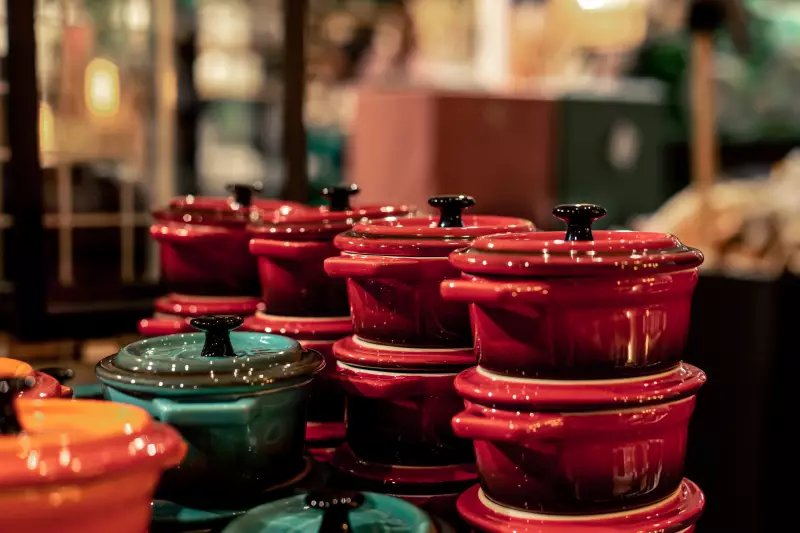
Ceramic pots often win on sheer beauty and are frequent stars on Instagram. They are colourful, non-toxic, and elegant enough for tabletop serving. They provide even heat distribution, ideal for pasta sauces and baking. Their primary weakness is fragility; they can easily chip or crack if handled roughly or dropped.
Choosing Function Over Flash for Your Nigerian Kitchen
The most valuable cookware is not necessarily the most photogenic. It is the set that aligns with your regular cooking routines and stands the test of time. Before investing in a trendy pot promoted by an influencer, consider its practical application in your home. A truly good pot should simplify cooking, improve efficiency, and ensure safety, offering more than just a pretty addition to your shelf. This insight was highlighted by Suliyat Tella in a piece for Guardian Life, published on January 14, 2026, reminding us to think beyond the screen.