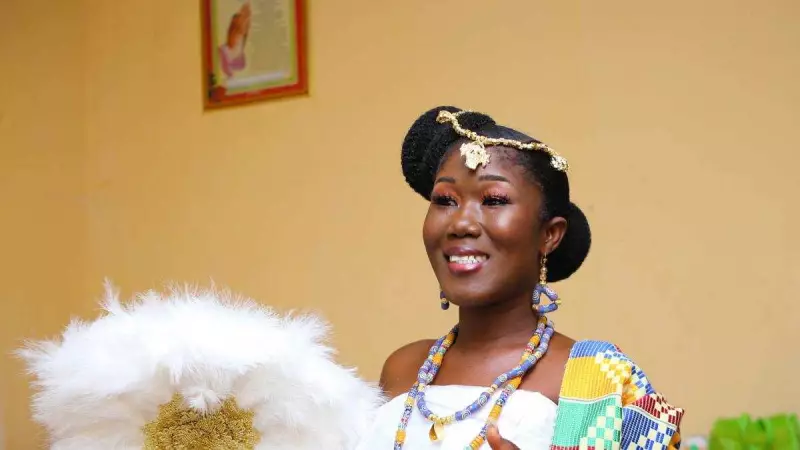
Nigeria stands as one of Africa's most culturally vibrant nations, a fact underscored by its remarkable diversity of over 500 languages and hundreds of distinct ethnic groups. This rich tapestry, featuring major communities like the Yoruba, Igbo, and Hausa, forms a complex national identity where no single culture dominates. According to Akin Ogundiran, the Cardis Collins Professor of Arts and Sciences at Northwestern University, these unique cultures have been shaped independently by deep histories, languages, and traditions long before the British amalgamation created Nigeria between 1861 and 1900.
The Pillars of Nigerian Cultural Identity
While Nigeria boasts over 250 ethnic cultures, three groups form the demographic and cultural pillars of the nation: the Hausa, Igbo, and Yoruba. The Hausa community is the largest, constituting about one-fifth of Nigeria's population, predominantly in the northwest. They are primarily Muslim, with traditions deeply influenced by Islam, from naming ceremonies to marriage contracts signed at the mosque. Their elaborate dress includes the flowing babban gida gown and colourful embroidered caps, while their diet centres on grains like sorghum and millet.
The Igbo people, primarily in the southeast, have a cultural system that traditionally venerates a supreme god, Chukwu Abiama, alongside minor deities. Their traditional marriage process is notably intricate, involving character tests and negotiations through a middleman. Yam is the staple food, and their traditional attire for men is the danshiki. Historically polygamous, the community has widely embraced Christianity and modern education.
In the southwest, the Yoruba maintain a significant indigenous religious practice, with about 20% still worshipping the supreme being and numerous orisha deities. Their vibrant, geometric-patterned clothing is globally recognized. The Yoruba Oriṣa culture is the only indigenous Nigerian culture with a strong global influence, actively growing in the Americas and Europe. Professor Ogundiran highlights this as a rare example of a cultural system not just surviving but thriving within globalization.
Beyond the Big Three: A Nation of Many Voices
Nigeria's cultural landscape extends far beyond its three largest groups. The Fulani (or Fulbe), scattered across West Africa, are predominantly Muslim nomads guided by a strict code of ethics called Pulaaku. The Edo (Bini) people of Edo State have a philosophical religion believing in fourteen reincarnations, with Osanobua as the creator. Their cuisine famously features soups like melon and okra.
The Efik-Ibibio in the south have a culture symbolized by the lion and protected by the secret Ekpe society, which uses an ancient system of symbols called Nsibidi. Their mythology speaks of a supreme being, Abassi, and his wife, Atai. The historical Niger-Benue Confluence area served as a crucial centre for language development between 4000 and 1000 BC, giving birth to many of the languages spoken today.
Tradition in the Modern Age: Evolution, Not Extinction
A common concern is that Western influence is eroding Nigerian traditions. However, Professor Ogundiran offers a nuanced perspective. He argues that cultures are dynamic and always change. You cannot join the global current without getting a little bit of everyone's water in your boat. The main foreign influences have been Christianity, Islam, and colonialism, which have undoubtedly distorted some indigenous practices.
Yet, instead of forgetting their roots, young Nigerians are leveraging technology to take their heritage global. Across social media, youth are showcasing traditional foods, indigenous clothing, native languages, and music, often with a contemporary twist. This generation is proving that culture is not static but a living, breathing, and trending phenomenon. They are actively reshaping tradition, ensuring its relevance in the 21st century.
Nigeria does not have one culture but many—a collection of ancestral worlds that continue to evolve. From the Hausa's respectful family compounds (gidaje) to the Igbo's symbolic burial rites and the Yoruba's vibrant oral traditions, this diversity is the nation's true strength. As the country moves forward, its multitude of cultures, sustained by both elders and the digital-savvy youth, promises to keep Nigeria's identity uniquely complex and profoundly rich.