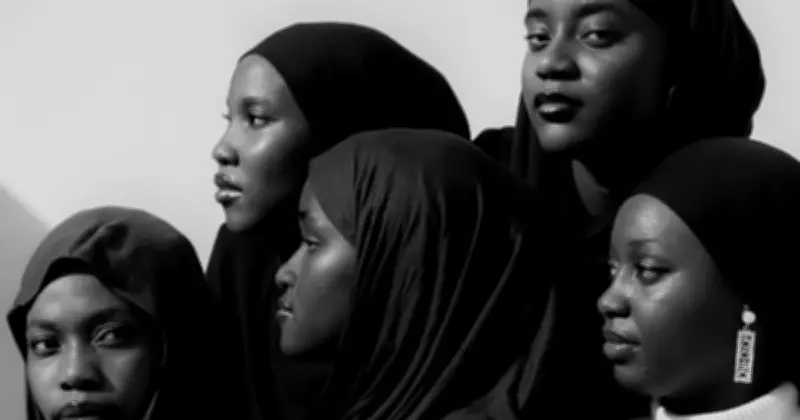
Ramadan's Annual Spiritual Rebirth in Nigeria
As Ramadan arrives across Nigeria, a noticeable shift occurs in social and religious landscapes. The usual cacophony of memes, entertainment gossip, and online drama gives way to what appears as a sudden wave of heightened spirituality. This annual transformation raises profound questions about the nature of faith, performance, and personal relationships during Islam's holiest month.
The Ramadan Rebrand Phenomenon
During Ramadan, social media timelines become flooded with pre-dawn prayer photographs, elaborate iftar meal displays, and carefully selected Qur'anic verses. This public display of piety creates what some observers call "the annual Ramadan rebrand" – where individuals who may have been less visibly religious throughout the year suddenly become paragons of Islamic virtue.
The line between genuine devotion and performative religiosity becomes particularly blurred in communities where people know each other's year-round behaviors. There's something inherently theatrical about announcing fasting achievements or adopting visibly solemn expressions specifically to demonstrate one's observance of the fast.
Relationship Dynamics During Ramadan
One of the most intriguing aspects of Ramadan in Nigeria involves how it affects romantic relationships. Social media content has highlighted patterns where Muslim individuals reportedly manufacture relationship conflicts or initiate breakups as Ramadan approaches. The reasoning, as expressed in various online discussions, centers on creating emotional and spiritual space for undisturbed worship.
When examining how Muslim men navigate Ramadan with non-Muslim partners, responses reveal complex dynamics of compromise and expectation. One individual, identified as Kunle, described learning from past mistakes: "This is our second Ramadan together. I must confess that I didn't act the first time maturely. I basically pushed her aside without any explanation... Since then, we've both come to an understanding."
Contrastingly, another interviewee demonstrated a more transactional approach, suggesting that a simple WhatsApp message suffices to communicate relationship boundaries during the holy month.
The Core Question of Ramadan Observance
These behaviors prompt fundamental questions about Ramadan's purpose. If Islamic teachings emphasize that God knows what is hidden in human hearts, who exactly benefits from these public displays of piety? The tension between internal devotion and external performance becomes particularly pronounced during this period.
Social media timelines become saturated with reminders about modesty and proper behavior, often from individuals whose private communications might tell different stories. Some observers note expectations that the entire world should adjust content, language, and behavior to accommodate fasting individuals.
Marketplace Ethics and Seasonal Honesty
An interesting economic dimension emerges during Ramadan, with some Nigerians expressing preference for Muslim vendors during this period, believing they're less likely to encounter cheating, short measures, or overcharging. This perception raises questions about why marketplace ethics might appear stronger during Ramadan when Islamic teachings emphasize honesty as a year-round virtue.
The Qur'an's Surah Al-Mutaffifin contains explicit warnings against dishonest trade practices, with no seasonal qualifications. This discrepancy between year-round teaching and Ramadan-specific behavior patterns invites reflection on the nature of religious observance.
The Essence of Ramadan: Transformation or Theater?
According to Islamic teachings, Ramadan fundamentally serves to heighten taqwa – the consciousness that God observes, records, and judges all actions. The fast represents not merely abstention from food and drink but comprehensive restraint in speech and behavior. A Prophetic teaching emphasizes that if someone doesn't abandon false speech and dishonest actions, their fasting holds no value with God.
One Muslim faithful explained the Ramadan experience as "not about being overly religious but a month set aside for purity, seeking forgiveness, and discovering one's capacity for personal improvement." This individual described unconscious behavioral changes, including reduced engagement with secular entertainment, characterizing the process as "cleansing of the heart."
Scientific perspectives sometimes complement religious explanations, with some noting that thirty days represents the typical timeframe for breaking unhealthy habits and establishing new patterns – aligning with Ramadan's duration and transformative potential.
The Challenge of Sustained Transformation
The most challenging question emerges regarding behavioral consistency: If individuals can maintain higher ethical standards during Ramadan because of heightened God-consciousness, what changes about divine observation after the month concludes? This query strikes at the heart of whether Ramadan functions as genuine spiritual transformation or temporary behavioral adjustment.
As one observer noted, "We are sinners. So every act of worship is an attempt at purification, and this coming month is a month dedicated to forgiveness and answered prayers." This perspective acknowledges human imperfection while emphasizing Ramadan's special status for spiritual renewal.
Communal Theater or Personal Devotion?
When religious observance becomes seasonal performance, critical questions arise about intended audiences. Are these displays meant for divine approval or social validation? While public piety can positively inspire community members to reconnect with faith, observers note that religion in Nigeria often functions as communal theater – where faith becomes as much about display and social positioning as personal devotion.
This dynamic creates tension between Ramadan's internal spiritual purposes and its external social manifestations. The holy month ultimately serves as both mirror and microscope – reflecting individual spiritual states while magnifying broader social patterns around faith, relationships, and ethical behavior in contemporary Nigerian society.