The Alaafin of Oyo, Oba Lamidi Adeyemi III, has recently made a significant move by redesigning an ancient gate at his palace, a decision that has elicited a flurry of reactions from the public and cultural enthusiasts across Nigeria. This development has sparked discussions not only about the aesthetic and historical implications but also about an unexpected connection to Cross River State, raising questions about cultural exchanges and influences.
Historical Significance of the Palace Gate
The ancient palace gate in Oyo holds deep historical and cultural importance, serving as a symbol of the Yoruba kingdom's rich heritage. Traditionally, such gates are intricately designed to reflect the power, spirituality, and artistic prowess of the Alaafin and his ancestors. The redesign initiative by Oba Lamidi Adeyemi III aims to preserve this legacy while incorporating modern elements, but it has stirred debate over whether such changes respect or dilute the original cultural essence.
Public Reactions and Cultural Concerns
Following the unveiling of the new gate design, social media platforms and local communities have been abuzz with mixed reactions. Many Nigerians have expressed admiration for the Alaafin's efforts to revitalize cultural landmarks, praising the blend of tradition and innovation. However, others have voiced concerns, arguing that altering ancient structures could erase historical authenticity and disconnect future generations from their roots.
Key points of contention include:
- The choice of materials and motifs used in the redesign, with some critics suggesting they deviate from traditional Yoruba artistry.
- The timing of the project, amid broader discussions on preserving Nigeria's cultural heritage against modernization pressures.
- The involvement of external influences, as hinted by the Cross River State connection, which has led to speculation about cultural borrowing or fusion.
Oyo-Cross River Connection: What's the Concern?
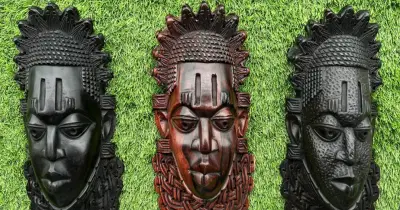
One of the most intriguing aspects of this story is the alleged link between the Alaafin's palace gate design and Cross River State. Reports suggest that elements of the new design bear resemblance to cultural symbols or architectural styles from Cross River, a region known for its distinct traditions and artifacts. This has prompted questions about why the Alaafin, a prominent Yoruba monarch, would incorporate features from another ethnic group's heritage.
Possible explanations for this connection include:
- Cultural Exchange: The Alaafin might be promoting inter-ethnic unity and appreciation by integrating diverse Nigerian cultural elements into his palace.
- Historical Ties: There could be undiscovered historical links between the Oyo Kingdom and Cross River communities, influencing artistic expressions.
- Modern Artistic Trends: The redesign may reflect contemporary artistic movements that draw inspiration from various Nigerian cultures, aiming to create a more inclusive national identity.
Implications for Nigerian Cultural Heritage
This incident highlights broader issues surrounding the preservation and evolution of Nigeria's cultural heritage. As the country grapples with balancing tradition and modernity, decisions by cultural custodians like the Alaafin can set precedents for how ancient sites are maintained or altered. It underscores the need for transparent dialogue between traditional rulers, cultural experts, and the public to ensure that such initiatives enhance rather than undermine historical integrity.
In conclusion, the Alaafin's move to redesign the ancient palace gate has not only sparked reactions but also opened up a conversation about cultural identity, heritage management, and inter-ethnic relations in Nigeria. As discussions continue, it remains to be seen how this will impact future cultural projects and the perception of Nigeria's diverse traditions.