The Enduring Legacy of the Ooni of Ile-Ife
The Ooni of Ile-Ife stands as the paramount spiritual and traditional leader of the Yoruba people, a position of immense cultural significance with a lineage that spans centuries. From the mythical progenitor Oduduwa to the present-day monarch, Ooni Enitan Adeyeye Ogunwusi, Ojaja II, this throne has been a steadfast symbol of Yoruba heritage, unity, and continuity. The institution remains a cornerstone of Yoruba identity, preserving ancient customs while navigating the modern era.
The Historical Significance of the Ooni's Throne
As the traditional ruler of Ile-Ife, widely regarded as the ancestral homeland of the Yoruba people, the Ooni occupies one of the most respected positions in Nigerian traditional leadership. The throne embodies leadership, deep-rooted heritage, and the unbroken transmission of cultural values across generations. The Ooni of Ile-Ife serves not merely as a monarch but as the living custodian of Yoruba history, tasked with preserving its rich traditions and fostering communal pride.
The Complete Lineage: All 51 Ooni of Ile-Ife
Presented below is the definitive historical record of all fifty-one monarchs who have ascended the throne of Ile-Ife, tracing the royal line from its legendary origins to the contemporary reign. This list captures the dynasty's evolution, including notable rulers who shaped its history.
- Oduduwa (The revered founder and first Ooni)
- Osangangan Obamakin
- Ogun
- Obalufono Gbogbodirin
- Obalufon Alayemore
- Oranmiyan
- Ayetise
- Lajamisan
- Lajodoogun
- Lafogido
- Odidimode Rogbeesin
- Aworokolokin
- Ekun
- Ajimuda
- Gboonijio
- Okanlajosin
- Adegbalu
- Osinkola
- Ogboruu
- Giesi
- Luwoo (A historically significant female Ooni)
- Lumobi
- Agbedegbede
- Ojelokunbirin
- Lagunja
- Larunnka
- Ademilu
- Omogbogbo
- Ajila-Oorun
- Adejinle
- Olojo
- Okiti
- Lugbade
- Aribiwoso
- Osinlade
- Adagba
- Ojigidiri
- Akinmoyero (Reigned from 1770 to 1800)
- Gbanlare (Reigned from 1800 to 1823)
- Gbegbaaje (Reigned from 1823 to 1835)
- Wunmonije (Reigned from 1835 to 1839)
- Adegunle Adewela (Reigned from 1839 to 1849)
- Degbinsokun (Reigned from 1849 to 1878)
- Orarigba (Reigned from 1878 to 1880)
- Derin Ologbenla (Reigned from 1880 to 1894, noted as a powerful warrior)
- Adelekan (Olubuse I) (Reigned from 1894 to 1910)
- Adekola (Reigned in 1910)
- Ademiluyi (Ajagun) (Reigned from 1910 to 1930)
- Adesoji Aderemi (Reigned from 1930 to 1980; served as Minister without portfolio from 1951 to 1955 and was the first indigenous governor of Western Nigeria)
- Okunade Sijuwade (Reigned from 1980 to 2015)
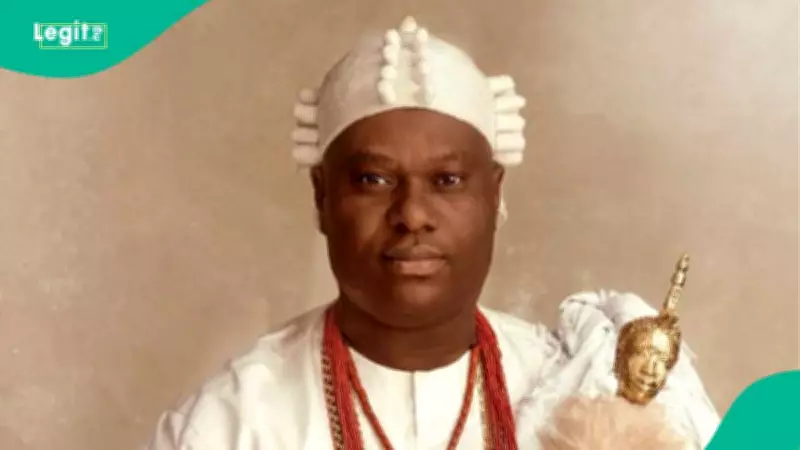
- Enitan Adeyeye Ogunwusi, Ojaja II (Reigned from 2015 to the present)
The Contemporary Reign: Ooni Enitan Adeyeye Ogunwusi, Ojaja II
Since his ascension in 2015, Ooni Enitan Adeyeye Ogunwusi, Ojaja II, has diligently upheld the sacred traditions of the Ile-Ife monarchy. His reign is characterized by a commitment to promoting unity, cultural pride, and the preservation of Yoruba heritage among his people and across Nigeria. He continues to serve as a vital bridge between the ancient customs of the throne and the dynamics of the twenty-first century.
A Living Institution of Yoruba Culture
The dynasty of the Ooni of Ile-Ife represents far more than a historical record; it is a living, breathing institution that continues to actively shape Yoruba identity and societal cohesion. From Oduduwa to Ojaja II, the lineage of fifty-one monarchs encapsulates centuries of resilient leadership, profound cultural stewardship, and an unwavering dedication to heritage. This throne remains a central pillar in the narrative of Yoruba history, symbolizing both the enduring power of tradition and its ongoing relevance in contemporary life.