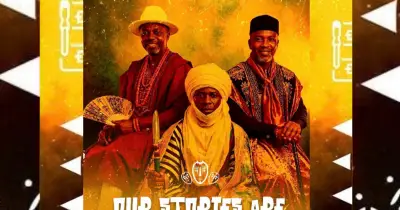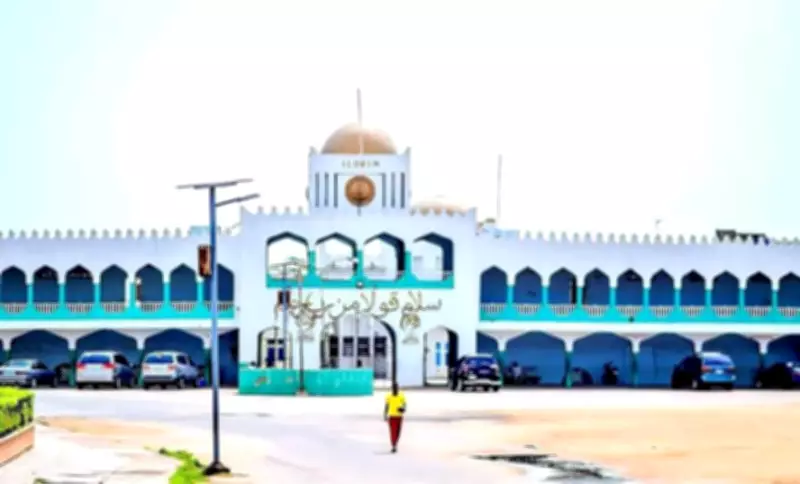
The Ilorin Emirate Durbar has been described as a powerful symbol of unity, identity, and peaceful coexistence among the diverse ethnic groups within the Ilorin Emirate. This assertion was made by Farida Sagaya, Secretary of the Organising Committee of the Ilorin Durbar, who also confirmed that preparations are in full swing for a larger and more globally recognised 2026 edition of the annual cultural festival.
Theme and Focus for 2026
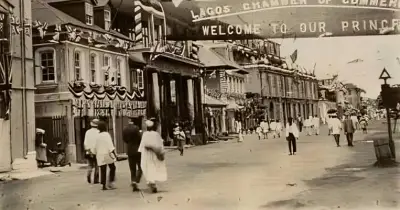
Sagaya stated that the 2026 Ilorin Durbar will retain the theme, “Unity in Diversity: Ilorin’s Timeless Gift,” with a renewed emphasis on cultural preservation, youth participation, tourism promotion, and global recognition. The festival, she explained, dates back to the 1830s when it originally served as a martial display commemorating the military victories of the Ilorin Emirate against the combined forces of the old Oyo Empire and the Baruba people.
Revival and Cultural Significance
After years of dormancy, the festival was revived in 2018 by the Emir of Ilorin, Ibrahim Sulu-Gambari, as part of efforts to reconnect residents with their cultural heritage. Sagaya noted that the festival reflects Ilorin’s unique identity as a convergence of Fulani, Yoruba, Hausa, Kanuri, Nupe, Gobir, and Baruba cultures. She added that the celebration continues to reinforce peace, communal harmony, and loyalty to the Emirate.
The Ilorin Durbar stands out from many other northern durbars due to its multi-ethnic character. While similar festivals are often rooted primarily in Hausa-Fulani traditions, the Ilorin version showcases a broader cultural blend and stronger communal participation. According to Sagaya, the festival has evolved from a traditional military parade into a modern cultural spectacle that now embraces digital storytelling, live streaming, and drone coverage to attract younger audiences and expand its global reach.
Planned Activities for 2026
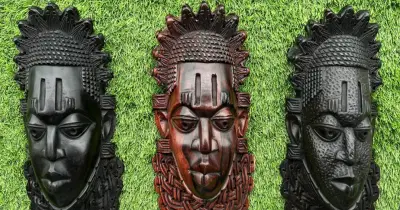
Activities lined up for the 2026 edition include a grand procession of decorated horsemen through designated routes, cultural performances such as Keegbe Lulu (calabash beating) and traditional Ilorin anthems, alongside exhibitions of indigenous crafts including Dada pottery and Aso-oke weaving. The celebration is expected to attract traditional rulers, government officials, diplomats, tourism stakeholders, business leaders, cultural ambassadors, lawmakers, international visitors, researchers, and media organisations from across Nigeria and beyond.
Economic and Tourism Impact
Sagaya further noted that the festival has continued to stimulate economic activities in Ilorin, with artisans, tailors, transport operators, food vendors, and hospitality businesses recording increased patronage during the celebration. She added that the Ilorin Durbar is strengthening Nigeria’s tourism profile by attracting visitors from more than 17 countries and projecting the nation’s cultural heritage globally. Efforts are intensifying toward securing broader international recognition through UNESCO cultural heritage initiatives.