Nigeria's First-Class Monarchs in 2026: Guardians of Tradition and Modern Influence
In contemporary Nigeria, where elected governance structures dominate, the nation's first-class monarchs continue to wield significant cultural authority and historical prestige. These traditional rulers, recognized for their deep-rooted heritage, serve as vital custodians of Nigeria's diverse traditions while actively promoting unity and shaping community life across various regions. Their enduring roles bridge ancient customs with modern societal needs, maintaining cultural identity in an evolving nation.
The Enduring Significance of Traditional Leadership
Despite Nigeria's transition to a modern democratic system, traditional monarchs have preserved their relevance through cultural stewardship and community engagement. These rulers operate within a framework that complements governmental structures, offering spiritual guidance, conflict resolution, and cultural preservation. Their influence extends beyond ceremonial duties, impacting politics, social cohesion, and national identity, demonstrating how historical institutions adapt to contemporary contexts while retaining their core values.
Comprehensive List of Nigeria's 10 First-Class Monarchs as of 2026
1. Ooni of Ife – Oba Adeyeye Enitan Ogunwusi, Ojaja II
The throne of the Ooni of Ife stands as one of the most revered spiritual leadership positions in Yorubaland, regarded as the ancestral seat for the entire Yoruba race globally. Since his ascension in 2015, Oba Adeyeye Ogunwusi has emerged as a prominent advocate for youth empowerment and women's rights. His rule from Ile-Ife, the legendary birthplace of the Yoruba people, commands widespread respect throughout Nigeria and the diaspora. Additionally, he serves as co-chairman of the National Council of Traditional Rulers in Nigeria, amplifying his national role.
2. Sultan of Sokoto – Alhaji Muhammad Sa’ad Abubakar III
Alhaji Muhammad Sa’ad Abubakar III, the 20th Sultan of Sokoto, holds the distinguished position as spiritual leader for Nigeria's Muslim community. Inheriting a throne established over two centuries ago by Sheikh Usmanu Dan Fodio, the Sultan plays a crucial unifying role within the Muslim Ummah. He chairs the Nigerian Supreme Council for Islamic Affairs and is widely recognized for his authoritative voice on peacebuilding, interfaith dialogue, and national unity initiatives, while also co-chairing the National Council of Traditional Rulers.
3. Alaafin of Oyo – Oba Akeem Owoade I
The Alaafin of Oyo stool remains one of the most powerful traditional seats in Yorubaland, with historical roots tracing back to the ancient Oyo Empire. Historical narratives link the Alaafin lineage directly to Oduduwa, the progenitor of the Yoruba race. Under the leadership of Oba Akeem Owoade I, this institution continues to exert significant influence across Africa, preserving centuries of royal heritage while engaging with modern governance structures.
4. Oba of Benin – Oba Ewuare II
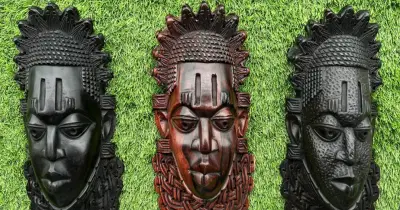
The Oba of Benin serves as custodian of the ancient Benin Kingdom, renowned for its rich artistic heritage, cultural traditions, and early historical interactions with European explorers. Enthroned in 2016 as the 40th Oba of Benin, Oba Ewuare II has distinguished himself as a vocal advocate against human trafficking while diligently preserving the cultural legacy of his kingdom. His reign represents a blend of traditional authority and contemporary social activism.
5. Emir of Kano – Sanusi Lamido Sanusi
The Kano Emirate stands as one of Nigeria's most prominent traditional institutions, historically recognized as a center of commerce and Islamic scholarship. Emir Sanusi Lamido Sanusi, reinstated in 2024 for his second reign, continues this legacy while expanding his cultural influence over millions in Kano and neighboring regions. His leadership embodies the intersection of traditional authority with modern economic and educational development.
6. Oba of Lagos – Oba Rilwan Akiolu
The throne of Lagos holds symbolic importance not only for its historical significance but also because Lagos functions as Nigeria's primary commercial hub. Oba Rilwan Akiolu, who ascended the throne in 2003, has established himself as an influential figure throughout Yorubaland. His leadership navigates the complexities of traditional rulership within Africa's largest metropolitan economy.
7. Tor Tiv – Prof. James Ayatse
Professor James Ayatse, installed as the paramount ruler of the Tiv people in Benue State in 2017, brings academic distinction to traditional leadership. A former Vice Chancellor of Ahmadu Bello University, Zaria, he is widely respected for his administrative expertise and his guidance of the Tiv nation. His reign demonstrates how educational leadership can enhance traditional governance structures.
8. Obi of Onitsha – Igwe Nnaemka Alfred Achebe
The Obi of Onitsha represents a historic emblem of Igbo cultural heritage and traditional authority. Installed in 2002 as the 21st Obi of Onitsha, Igwe Achebe combines his background as a Harvard alumnus and former Shell executive with deep cultural commitment. His reign exemplifies how modern professional experience can enrich traditional leadership while upholding Igbo cultural pride.
9. Shehu of Borno – Abubakar Ibn Umar Garba El Kanemi
The Shehu of Borno serves as custodian of the Kanemi-Bornu Empire's rich historical legacy. Appointed in 2009, Abubakar Ibn Umar Garba El Kanemi has become a symbol of resilience and unity despite the challenges posed by the Boko Haram insurgency in Borno State. His leadership continues to inspire cultural pride and steadfastness among the Kanuri people during difficult times.
10. Olubadan of Ibadanland – Oba Rashidi Ladoja
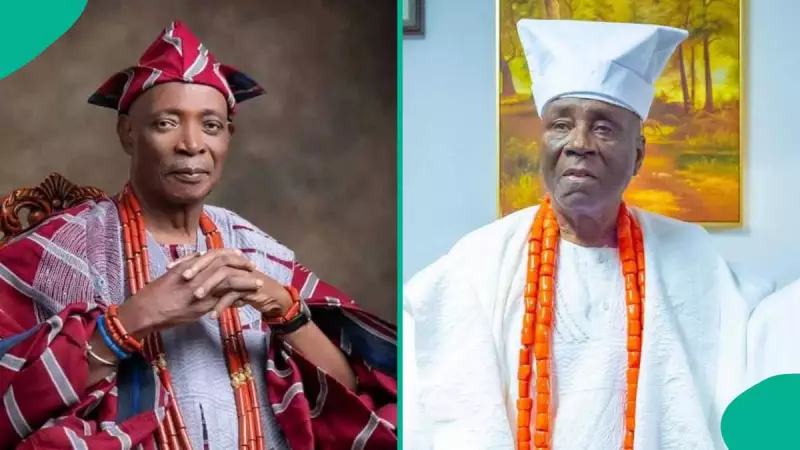
Ibadan, recognized as West Africa's largest city, maintains a unique chieftaincy system with structured succession protocols. Following the passing of the 43rd Olubadan, Oba Owolabi Olakulehin, the Olubadan-in-Council nominated Rashidi Ladoja as the 44th ruler. His grand coronation occurred on September 26, 2025, at Mapo Hall in Ibadan, continuing a lineage that embodies centuries of structured leadership and cultural resilience in one of Nigeria's most significant Yoruba cities.
The Continuing Relevance of Traditional Monarchy
Nigeria's first-class monarchs collectively represent a living tapestry of the nation's cultural diversity and historical continuity. Their roles extend far beyond ceremonial functions, encompassing community development, conflict mediation, cultural preservation, and national unity efforts. As Nigeria progresses through the 21st century, these traditional institutions demonstrate remarkable adaptability, maintaining their cultural authority while engaging with modern governance systems. Their enduring presence underscores the complex interplay between tradition and modernity in shaping Nigeria's national identity and social fabric.