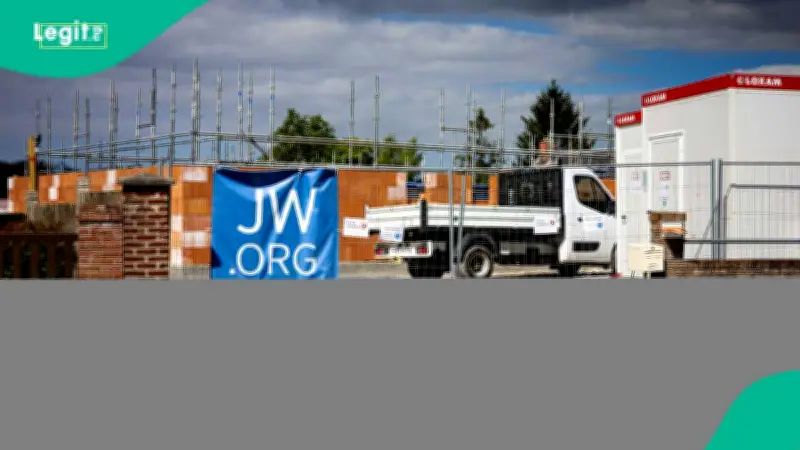
The Kuzminskiy District Court of Moscow ruled on July 31, 2026, that 123 properties linked to Jehovah's Witnesses must be transferred to the Russian government, marking the latest step in a years-long crackdown on the religious group. The ruling came after a government prosecutor claimed, without providing evidence, that the buildings could be used to "support extremist activity or an extremist organisation." The presiding judge reviewed the evidence briefly and ruled in favour of the State.
Properties Across Seven European Countries Targeted
The seized properties were registered to legal entities that Jehovah's Witnesses had established in Austria, Denmark, Finland, the Netherlands, Portugal, Spain, and Sweden. These include Kingdom Halls and other buildings used for peaceful religious gatherings. The order is part of a series of asset seizures that have been carried out since the Russian Supreme Court liquidated 395 local religious organisations belonging to Jehovah's Witnesses in April 2017.
Following the 2017 ban, the government began seizing property registered to those entities, stripping the group of physical infrastructure across the country. The July 31 order is the latest in this ongoing effort, as authorities continue to target the group's holdings.
Jehovah's Witnesses Respond to the Ruling
Reacting to the ruling and the continued prosecution of its members, Jehovah's Witnesses said that Jehovah will never abandon their brothers and sisters in Russia and Crimea. In a statement published on its website, the group said they will continue to pray for them and that the Lord will reward their faithful endurance. The statement reads: "As we continue to pray for our brothers and sisters in Russia and Crimea, we remain confident that Jehovah will never abandon them and will reward their faithful endurance.—Hebrews 10:34."
The organisation has described the persecution as systematic, spanning close to a decade, and says members in both Russia and Crimea face severe restrictions on their ability to practise their faith. Beyond property seizures, Russian authorities have detained and imprisoned hundreds of Jehovah's Witnesses on charges related to activities such as discussing the Bible or sharing religious beliefs with others. The imprisoned include elderly individuals and those with serious health conditions.
Background and Impact of the Crackdown
The roots of the current persecution trace back to the April 2017 Supreme Court ruling that liquidated 395 local religious organisations. That ban set the stage for the property seizures and arrests that have followed. According to Legit.ng, the July 31 order is the latest in a series of asset seizures carried out since then, as authorities continue to dismantle the group's infrastructure.
Jehovah's Witnesses have faced arrests and imprisonment for their faith, with hundreds detained on charges related to religious activities. The group continues to face severe restrictions in Russia and Crimea, and the recent property seizure adds to the challenges they face. The ruling is expected to have a significant impact on the group's ability to operate in the country, as they lose more physical assets used for worship and community activities.