
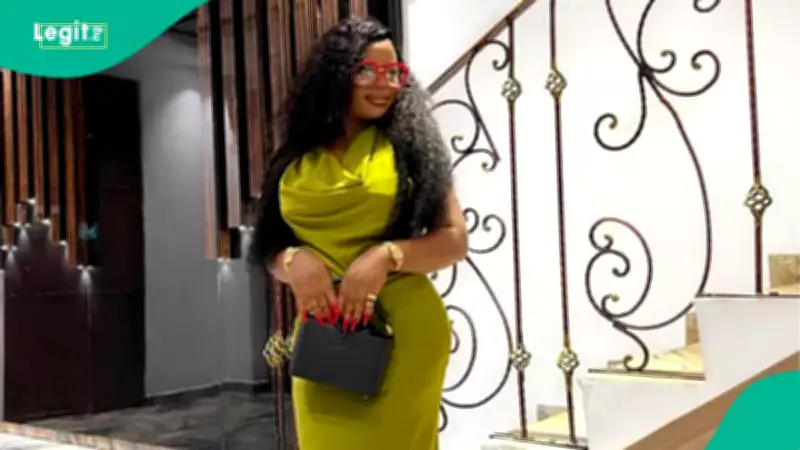
OPM Pastor's Public Search for Husband for Autistic Daughter Ignites Widespread Debate
A recent development involving an OPM pastor has captured national attention after he publicly announced his search for a husband for his autistic daughter. This announcement has sparked a significant public debate, with many questioning the ethical and social implications of such a move. The pastor's actions have brought to light broader issues surrounding disability, marriage, and parental responsibilities in contemporary Nigerian society.
People Nurse Poses Critical Question Amidst Growing Controversy
Adding fuel to the fire, a People Nurse raised a thought-provoking question that has further intensified the discussion. The nurse's inquiry challenges societal norms and prompts reflection on the autonomy and rights of individuals with autism. This intervention has highlighted the need for more inclusive and respectful approaches to disability issues, particularly in matters as personal as marriage and relationships.
The debate has drawn in various stakeholders, including disability rights advocates, religious leaders, and the general public. Many express concern that the pastor's approach may inadvertently stigmatize or objectify his daughter, rather than empowering her. Others argue that parental involvement in marriage arrangements is a cultural norm, but question whether it should apply differently for individuals with disabilities.
Ethical and Social Considerations in Focus
This incident raises several critical ethical and social questions:
- Autonomy vs. Protection: How do we balance the need to protect vulnerable individuals with respecting their autonomy and right to make personal decisions?
- Disability Representation: Are people with autism being given adequate voice and agency in discussions about their own lives and futures?
- Cultural Norms: How do traditional practices of arranged marriage intersect with modern understandings of disability rights and individual choice?
- Parental Role: What is the appropriate extent of parental involvement in the marital decisions of adult children, particularly those with disabilities?
The conversation has extended beyond the immediate case to address broader issues of how Nigerian society treats and includes people with disabilities. Many commentators emphasize the importance of creating supportive environments that enable individuals with autism to thrive independently, rather than focusing solely on marriage as a solution.
Broader Implications for Nigerian Society
This controversy occurs against a backdrop of increasing awareness about disability rights in Nigeria. Recent years have seen growing advocacy for more inclusive policies and practices, though significant challenges remain. The pastor's public search has inadvertently become a catalyst for discussing these larger societal issues.
Experts in disability studies suggest that such situations require careful navigation that centers the desires and wellbeing of the autistic individual. They recommend approaches that:
- Prioritize the daughter's expressed preferences and comfort
- Involve professional support from disability specialists
- Focus on building the individual's skills and independence
- Create opportunities for social connection that respect personal boundaries
The ongoing debate demonstrates how personal family matters can become public conversations about social values and norms. As discussions continue, many hope this incident will lead to greater understanding and improved support systems for people with autism and their families across Nigeria.