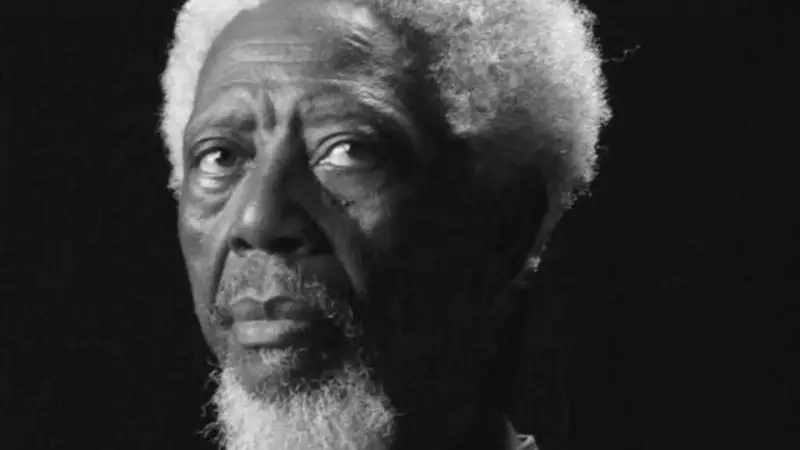
As Nigeria reflects on the giants who shaped its artistic soul, the name Prince Demas Nwoko stands immortalised. The iconic designer, artist, architect, playwright, and cultural philosopher marks his 90th birthday on December 20, 2025, cementing a legacy spanning over six decades as a true patriarch of African modern design.
The Foundation of a Visionary: From Idumuje-Ugboko to Zaria
Born in 1935 in Idumuje-Ugboko, Delta State, Nwoko's creative spark was ignited by the built environment of his rural community. His journey led him to the influential Zaria Art Society, where he and his peers pioneered a revolutionary concept known as Natural Synthesis. This philosophy became a cornerstone, advocating for the expression of traditional African art concepts using Western techniques, thereby forging a path toward genuine African cultural authenticity in contemporary art and design.
Nwoko's design philosophy was deeply rooted in traditional African culture and the natural environment, guiding his choice of forms and materials. Remarkably, his approach was years ahead of modern concepts like Human-Centered Design (HCD). While both prioritise designing from people's lived realities, Nwoko's vision extended further by grounding solutions in indigenous knowledge, climate, culture, and local materials. This ensured his creations were not just user-friendly but also culturally authentic, sustainable, and perfectly adapted to their context.
A Legacy Cast in Earth and Vision
Nwoko's belief that creativity is the highest form of intellectual activity is evident in his profound body of work. His paintings, Nok Terracotta-inspired sculptures, and architecture all reflect his unique design strategy. He was a pioneer of environmental sustainability, championing the use of raw earth materials in architecture long before it became a global trend.
His iconic built spaces, which are both functional and beautiful, stand in harmony with nature. These include:
- The New Culture Studio
- The Dominican Institute in Ibadan
- The Oba Akenzua Cultural Centre in Benin
- His residential building in Idumuje-Ugboko
These spaces go beyond mere aesthetics; they stimulate cognitive and emotional development, engaging visitors in a silent artistic dialogue. His philosophy perfectly captures the triple pillars of sustainable development: people, planet, and profit.
A Lone Voice for Authenticity in a Copy-Paste Era
In a 2000 interview with The Guardian titled "Design can save us, Says Nwoko," he explained design's transformative power for national development. His lifetime of contribution was globally recognised when he received the Golden Lion for Lifetime Achievement at the 2023 Venice Biennale.
Yet, Nwoko's vision for cultural authenticity and environmental sustainability remains, as the article notes, a "lone voice in the wilderness" within mainstream Nigerian design. The international style dominates cityscapes like Abuja, missing a crucial opportunity for ecotourism and national identity expression. The widespread "copy and paste" imitation in product, furniture, and interior design has dire implications: loss of intellectual property, a diminished national design identity, and stunted cognitive development that comes from solving complex, local design problems.
The article argues that evolving Nigeria into an industrial design powerhouse requires a new culture—one that uses design as a tool for social impact and cultural re-engineering, as Nwoko advocates.
Passing the Baton to a New Generation
Despite his clarion call over two decades ago, Nigeria remains import-dependent. The charge now is for a new generation of design thinkers not to drop the baton. Influential figures like his daughter Arc. Anyibofu Nwoko Ugbodaga, Nmadili Okwumabua, and Arc. Stephen Ajadi already draw inspiration from his ideas.
Nwoko's message to aspiring designers, historians, and planners is clear: read his books and internalise his thoughts as a guide for shaping the future. As the author, Tony A. Azodoh, concludes, the personal resolve to effect change in one's sphere of influence can cumulatively trigger the social rebirth Nwoko envisions. The new culture he championed must now become our collective reality.