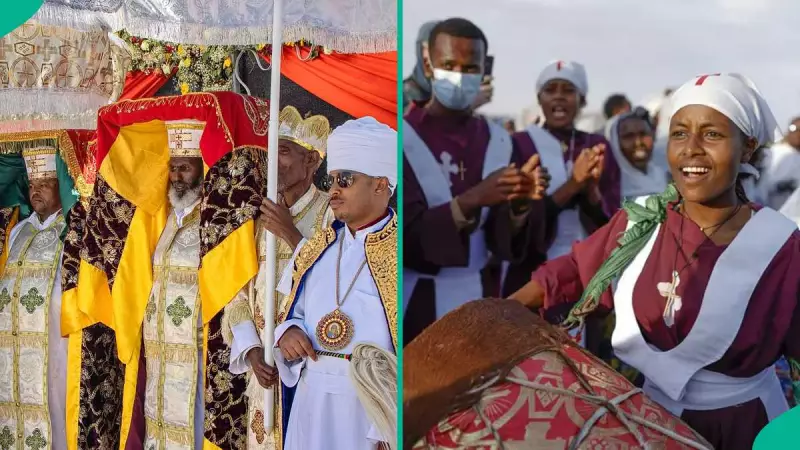
Ethiopian Timket Religious Celebration Gains Popularity Across Africa
The Ethiopian Timket religious festival is making significant waves across the African continent, capturing the attention of diverse communities for its rich cultural and spiritual heritage. This annual celebration, deeply rooted in Ethiopian Orthodox Christian traditions, is increasingly becoming a focal point for cultural exchange and religious observance beyond Ethiopia's borders.
Cultural and Spiritual Significance of Timket
Timket, also known as the Feast of Epiphany, commemorates the baptism of Jesus Christ in the Jordan River. It is one of the most important religious events in Ethiopia, marked by vibrant processions, traditional music, and elaborate ceremonies. Participants often dress in white garments and carry replicas of the Ark of the Covenant, known as Tabots, through the streets in a display of faith and devotion.
The festival typically lasts for three days, beginning with a night vigil and culminating in a grand procession and water blessings. These rituals symbolize purification and renewal, drawing thousands of pilgrims and spectators each year. The celebration is not only a religious observance but also a cultural spectacle that showcases Ethiopian art, dance, and communal spirit.
Growing Influence Across Africa
In recent years, the Timket festival has gained popularity in other African countries, contributing to a broader appreciation of Ethiopian culture and Orthodox Christianity on the continent. Communities in nations such as Kenya, Uganda, and South Africa have begun to observe similar celebrations, often incorporating local elements while respecting the traditional Ethiopian practices.
This cross-cultural adoption highlights the festival's appeal as a unifying event that transcends national boundaries. It fosters interfaith dialogue and cultural understanding, promoting peace and solidarity among diverse African populations. The increasing media coverage and social media presence of Timket have further amplified its reach, attracting tourists and cultural enthusiasts from around the world.
Impact on Cultural Tourism and Community Engagement
The rising popularity of Timket is also boosting cultural tourism in Ethiopia and neighboring regions. Visitors are drawn to the authentic experiences offered by the festival, including traditional meals, handicrafts, and interactive ceremonies. This influx of tourism supports local economies and encourages the preservation of cultural heritage.
Moreover, the festival serves as a platform for community engagement, bringing together people of all ages and backgrounds to celebrate shared values. Educational programs and workshops associated with Timket help to pass down traditions to younger generations, ensuring the continuity of this important cultural practice.
Challenges and Future Prospects
Despite its growing popularity, the Timket festival faces challenges such as logistical issues and the need for sustainable management to accommodate increasing numbers of participants. However, efforts by religious leaders, cultural organizations, and governments are underway to address these concerns and enhance the festival's accessibility and impact.
Looking ahead, the Timket celebration is poised to continue making waves across Africa, potentially inspiring similar festivals in other regions. Its blend of spirituality, culture, and community makes it a unique and influential event that resonates with people seeking meaningful connections in a rapidly changing world.