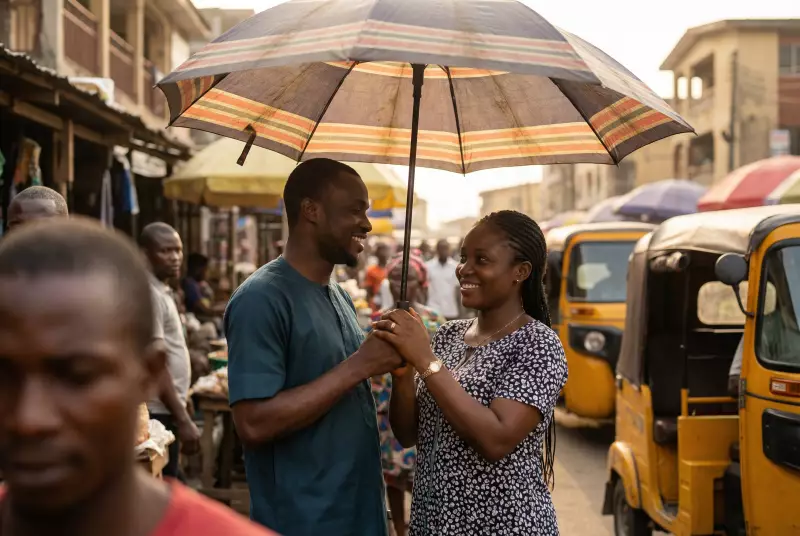
For anyone navigating the complex and beautiful landscape of Nigerian romance, a simple "I love you" is just the beginning. The true depth of affection in Africa's most populous nation is expressed through a fascinating blend of direct declarations, culturally specific terms, symbolic actions, and deep-rooted traditions that vary dramatically across its over 525 indigenous languages.
The Linguistic Landscape of Love in Nigeria
Understanding love in Nigeria requires a basic map of its major languages. In Yoruba, spoken by millions in the southwest, love is "ìfẹ́" and the declaration "Mo nife re" is used for a singular person. The Igbo language of the southeast offers the poetic phrase "A hụrụ m gị n'anya," which literally translates to "I see you in my eye," placing the beloved constantly in one's vision. In the Hausa language, predominant in the north, you would say "Ina sonki" to a woman or "Ina sonka" to a man.
Then there's Nigerian Pidgin English, the unifying creole that provides its own heartfelt expressions like "I dey feel you die" or "You dey always for my mind." These phrases, while casual to an outsider, carry genuine emotional weight in everyday communication.
Actions Speak Louder: The Unspoken Language of Commitment
Perhaps the most critical insight is that for many Nigerians, actions consistently trump verbal declarations. A classic scenario involves a partner who may struggle to say the words but demonstrates love unmistakably through consistent actions. This can include sending airtime, ordering food deliveries, providing financial support, or publicly defending a partner's honor.
Financial support, in particular, remains a dominant love language across generations and ethnic groups. It is less about materialism and more a demonstration of the ability to provide, protect, and support—values deeply embedded in Nigerian social structures. From paying for a hair appointment to contributing to a business venture, these gestures communicate commitment in a profoundly tangible way.
Terms of Endearment and Cultural Nuances
What you call your loved one also reveals much about your cultural context. English-based terms like "baby," "my love," and "darling" are common. However, indigenous terms carry deeper resonance.
- Yoruba: "Ololufe mi" (my lover), "Okan mi" (my heart), or "Ife mi" (my love).
- Igbo: "Obi m" (my heart), "Nkem" (my own), or "Ezigbo m" (my good one).
- Hausa: More reserved terms like "Masoyiya" (loved one) are used, reflecting Islamic cultural influences.
Traditional expressions were often indirect. Yoruba culture, for instance, historically used the Àrokò system of symbolic communication, where sending a chewing stick could mean "I love you" and an orange conveyed delight. Among the Igbo, the elaborate bride price negotiation process (Ime ego) was a public demonstration of a man's seriousness and commitment, validated by the entire extended family (Umunna).
Modern Love: The Clash and Blend of Tradition and Technology
Contemporary Nigerian romance in 2025 is a dynamic fusion. Social media has revolutionized public declarations, with Instagram posts and TikTok couple content serving a similar function to traditional community validation—but with a global audience. Direct verbal expressions of "I love you" have become more frequent among younger, urban Nigerians, influenced by global media and Nollywood.
Yet, significant tensions remain. Generational divides see older Nigerians viewing frequent verbal affirmations as unnecessary, while younger generations expect them. Economic pressures make the traditional financial demonstrations of love increasingly challenging. Furthermore, the expectations gap between media-portrayed romance and reality can lead to friction.
Navigating love in Nigeria successfully often involves a delicate balance: showing commitment through consistent actions, respecting and involving the family, learning key phrases in a partner's native language, and understanding regional norms around public displays of affection. The journey from the casual "talking stage" to formal commitment still typically requires family introductions, thoughtful gift-giving, and clear declarations of intent.
Ultimately, to say "I love you" in Nigeria is to engage in a rich, multi-layered dialogue that spans languages, actions, family, and tradition. It is a testament to the nation's diversity that love finds so many unique and powerful voices.