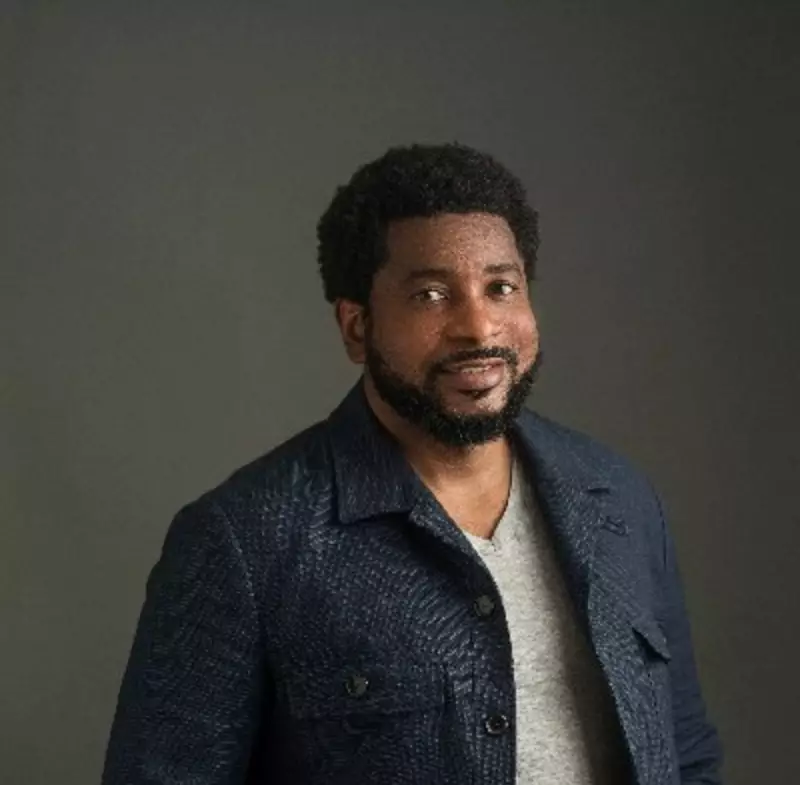
Nigerian clergyman, Pastor Kingsley Okonkwo, has sounded an alarm over what he describes as a growing societal crisis: a significant shortage of quality men eligible for marriage.
A Widening Gap in Quality
Taking to his official X (formerly Twitter) account on December 16, 2025, Pastor Okonkwo expressed deep concern about the declining standard of men available. He argued that the disparity in quality between modern women and men is not just noticeable but is actively increasing.
"I stand to be corrected but it seems the gap between men and women in terms of quality is widening," he wrote. "It’s getting harder to find solid men." The pastor firmly stated that a large number of contemporary men lack the capacity to lead or to marry the women of this generation.
The Three Types of Marriage and a Changing Africa
Pastor Okonkwo elaborated on his point by discussing different models of marriage. He identified the cultural marriage model as the one most common among Africans historically. This model, he explained, thrived in an era where women had limited access to education and fewer entered the workforce, and where men often married women significantly younger to facilitate easier submission.
"All of the above have changed," he noted, highlighting the evolution in female education and economic participation. This shift, according to him, has created a tougher scenario for the men of this age who are now expected to partner with more accomplished and independent women.
The Dire Consequence: A Generation of Unmarried Women?
The pastor's central warning was stark. He concluded that the direct result of this shortage of quality men is that many women may simply not find suitable partners to marry. "A lot of women might not see eligible men to marry because of the shortage of quality men," he lamented.
His post, which has sparked considerable discussion online, frames the issue not just as a relational challenge but as a looming social crisis. It calls for introspection on the part of men and a broader conversation about values, responsibility, and partnership in modern Nigerian society.