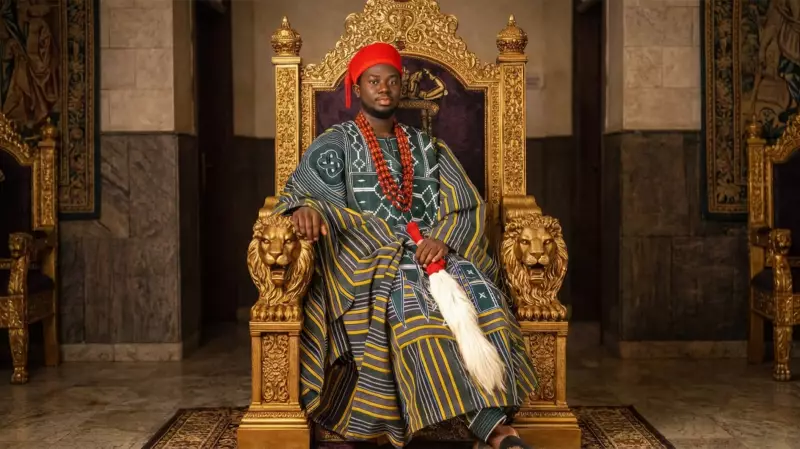
Youngest Yoruba Monarch Issues Firm Warning Against Casual Addresses
Oba Oloyede Adekoya Akinghare II, the Arujale-Ojime of Okeluse Kingdom in Ondo State and the youngest monarch in Yoruba land, has issued a strong directive to the public, urging them to cease using casual terms when addressing him. This warning was formally communicated in a statement released by his Chief of Staff, Amb. Prince Adefemi Michael Olorunfemi, and disseminated across social media platforms.
Strict Protocol for Royal Address
According to the palace statement, the monarch must be addressed strictly as "His Royal Majesty" at all times, with any other form of address deemed unacceptable. The statement explicitly noted that informal expressions such as "bro", "blood", or other casual or demeaning terms are highly inappropriate and will no longer be tolerated. It emphasized that the monarch's youthfulness should not be misconstrued as an invitation for disrespect.
Emphasis on Cultural and Spiritual Significance
The palace further elaborated on the spiritual and cultural importance of the throne, describing Oba Akinghare II as "Igbakeji awon orisa", meaning the representative of the gods on earth. The statement underscored that respect for the throne is integral to preserving Yoruba heritage and identity, and it called on both residents of Okeluse Kingdom and the broader public to uphold these values. It warned that continued disregard for this directive would result in "strong and decisive measures".
Background and Ascension to the Throne
Oba Akinghare II ascended to the throne of Okeluse Kingdom in 2019 following the passing of his father, thereby becoming the youngest traditional ruler in the South-West region of Nigeria. The palace clarified that his lenient and calm demeanor should not be mistaken for weakness, reinforcing that respect for constituted authority is non-negotiable, regardless of one's status or age.
This development highlights ongoing efforts to maintain traditional protocols and cultural respect within Yoruba communities, serving as a reminder of the enduring significance of monarchy in Nigerian society.