A recent, poignant incident in Lagos serves as a stark reminder of the fragility of human plans and the overarching power of divine will. A woman, having just safely arrived in the bustling city from her village, was tragically knocked down by the very bus that transported her, moments after she crossed the road. This sudden event, a powerful manifestation of Qadar (divine decree), frames a deeper meditation on the nature of our existence and the futility of worldly attachments without spiritual grounding.
The Illusion of Control and the Reality of Faith
The narrative draws upon the wisdom of Prophet Muhammad (peace be upon him) and his companion, Muadh b. Jabal. When asked for evidence of true faith, Muadh b. Jabal responded that it lies in the constant awareness that any step taken could be one's last. This profound consciousness dismantles the human illusion of being in full control of our affairs. We are, as the author suggests, like pawns on a chessboard, often forgetting that the ultimate control rests solely with the Almighty. This understanding fundamentally shapes a Muslim's life, directing them to seek guidance not from transient worldly goals, but from the eternal compass: the Quran.
The Quran as a Guide Through Life's Battles
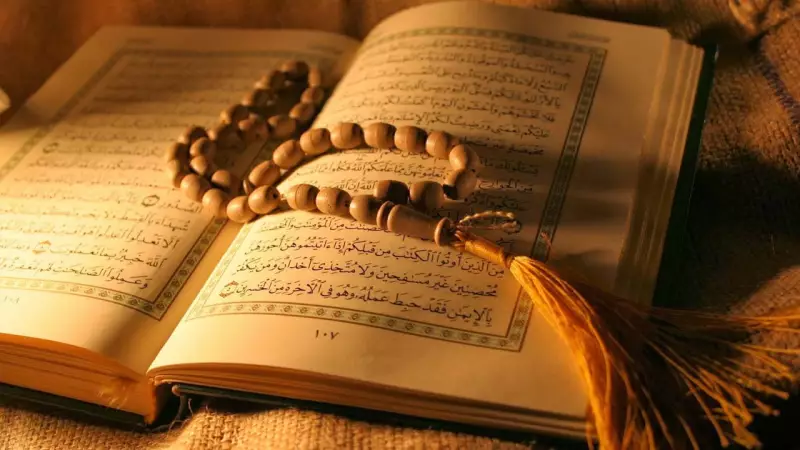
A discerning believer turns to the Quran not as a decorative item for an office or car, but as a living guide. They study it to understand the trials and triumphs of the prophets—from Adam, Nuh, Lut, Isa, Musa, to Muhammad (peace be upon them all). They delve into its chapters to learn how to navigate their own existential battles. The text's detailed focus on the children of Israel, for instance, offers lessons on divine favor, recalcitrance, and the value of struggles earned through difficulty. The principle is clear: what is obtained without effort is rarely cherished, and what is fought for holds enduring value. This quest for spiritual adornment, rather than material accumulation, defines a life of purpose.
The Ant's Journey: A Mirror to Our Own
The heart of the reflection is a simple yet powerful story. On a Sunday morning, a wealthy man observed a tiny ant carrying a leaf many times its size across his balcony. For over an hour, he watched the creature analyze obstacles, devise solutions, and persevere. At one point, it ingeniously used the leaf as a bridge over a crack. The ant displayed remarkable intelligence, becoming a signifier of the Creator's wisdom in the smallest of beings.
However, the story took a sobering turn. After its arduous journey, the ant reached its destination: a tiny hole leading to its nest. Here, the shared shortcoming between the ant and humanity was laid bare. The leaf was too large to fit into the hole. Despite all its effort, strain, and cleverness, the ant had to abandon its prized possession and enter its dwelling empty-handed.
This parable forces a crucial self-examination. What are the "big leaves" we carry through life? They are the burdens of seeking more wealth, larger homes, newer cars, and societal status—the relentless demands of family and job that often consume us. The haunting question remains: when we finally reach our destination, the grave, will we not leave all these behind just as the ant left its leaf? The material acquisitions we tirelessly pursue hold no value in that ultimate reality. True worth lies in the uncountable: faith, good deeds, and spiritual fulfillment.
The lesson, anchored in the Quranic verse from Surah Yusuf (12:109-111), is clear. Life's stories, like that of the ant and the sister in Lagos, are not mere tales but profound guidance. They call believers to ponder their existence, recognize the temporality of worldly struggles, and seek what truly endures beyond the inevitable end of all human toil.