In a landmark move for Christian unity in Nigeria, the United Methodist Church (UMC) has officially ended a prolonged internal conflict by signing a historic Deed of Reconciliation. The ceremony took place in Jalingo, Taraba State, on Friday, December 19, 2025, marking a decisive step toward lasting peace.
A Path to Peace After Years of Strife
The reconciliation agreement brings together the leadership of the Nigeria Episcopal Area and its constituent conferences. These include the Southern Conference of the UMC and four Annual Conferences: Southern Nigeria, Central Nigeria, Northeast Nigeria, and Northern Nigeria.
The conflict, which lasted over a decade, stemmed from disputes following the 2012 episcopal election and subsequent disagreements over the demarcation of church conferences. These tensions severely strained fellowship within the church, leading to unfortunate outcomes including prolonged legal battles, loss of lives, and destruction of property. Previous interventions by the Taraba State Government and the state chapter of the Christian Association of Nigeria (CAN) had not yielded a permanent resolution.
Key Provisions of the Reconciliation Deed
Guided by the core Christian principles of love, forgiveness, and unity, all parties involved entered the agreement voluntarily and prayerfully. A cornerstone of the deed is the formal apology and mutual forgiveness exchanged by the leadership. They have committed to future conduct rooted in humility, patience, and mutual respect, aligning with biblical teachings.
A major practical outcome is the withdrawal and discontinuation of all complaints, petitions, and legal actions previously filed within or outside the church. The document explicitly states, "All parties agreed to regard one another as faultless in the spirit of reconciliation." Furthermore, the leadership pledged to resume full fellowship, cooperate in all church activities, and refrain from any form of retaliation, harassment, or intimidation.
New Administrative Structure for Future Harmony
To ensure clarity and prevent future disputes, the agreement establishes new administrative demarcations. It clearly defines the boundaries between the Southern Conference of the UMC (SCUMC) and the Southern Nigeria Annual Conference, with specific districts in Jalingo and along the Jalingo–Kona–Lau axis being allocated.
In a significant structural change, the Nigeria Episcopal Area has been divided into two new episcopal areas:
- The Southern Nigeria Episcopal Area will comprise the Southern Conference of the UMC, the Southern Nigeria Annual Conference, and the Cameroon Mission District. Its headquarters will be in Jalingo.
- The North-Central Nigeria Episcopal Area will include the Central, Northeast, and Northern Nigeria Annual Conferences, along with the Senegal Mission District. Its headquarters will be in Abuja.
Additionally, the Southern Nigeria Annual Conference will now be known as the Southwest Nigeria Annual Conference (SWENAC), headquartered in Mutum-Biyu, Taraba State. The Southern Conference of the UMC will retain its name and Jalingo headquarters.
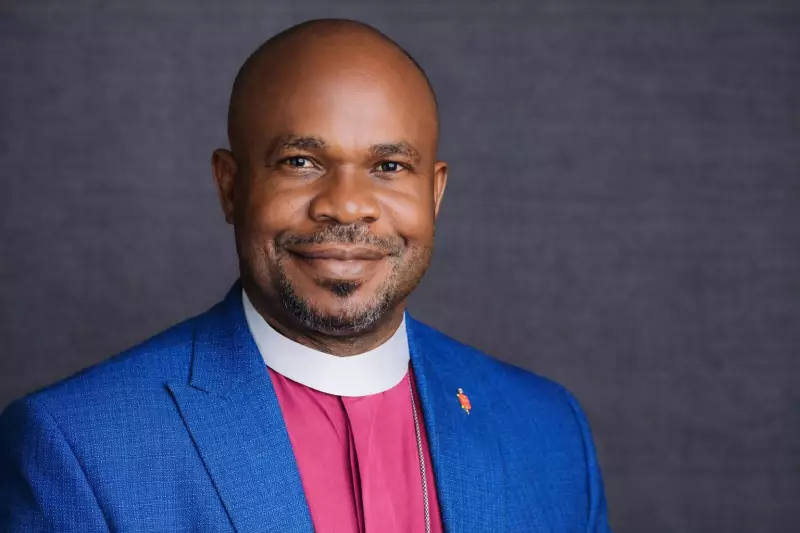
The deed stipulates that any future disagreements will be resolved according to the Holy Bible and the Book of Discipline of the United Methodist Church. Bishop Ande I. Emmanuel, in his attestation, confirmed the prayerful and voluntary nature of the process. He described the agreement as binding on all leaders and members of the UMC in Nigeria, serving as a powerful testament to the church's renewed commitment to unity.