As the world marks the International Day of the Boy Child 2026, a more urgent and reflective conversation is emerging about what it truly means to raise boys in today's society. Beyond celebrations and symbolic recognition, there is a growing need to understand the emotional, psychological, and social realities shaping their development.
Findings from School Engagements
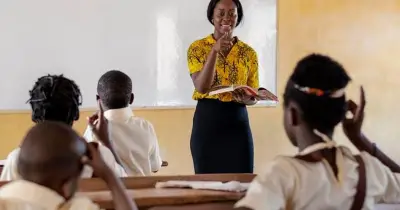
Recent field engagements conducted by the Elizabethan H&H Foundation under its Missing Curriculum and Uplifters' Club initiatives have brought these realities into sharper focus. Across several structured school-based sessions, over 450 students were engaged, and 300 carefully analysed student responses formed the basis of findings that raise important questions about the realities many boys are navigating today.
According to the Founder of the Foundation, Mrs Oyinade Samuel-Eluwole, the most striking revelation from the responses was not indiscipline or lack of awareness among boys, but a quieter and more concerning issue: a widening gap between what young people know and what they can apply in real-life situations.
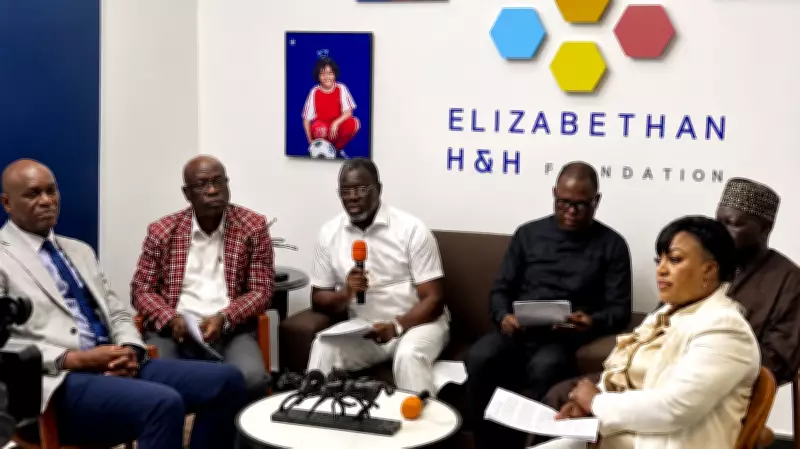
The engagements were carried out with the support of a 13-member project team alongside professionals including Mr Adeshina Joseph, Dr Kemi Akintoyese, and Dr Peter Adenibuyan. Their combined expertise spanned administration, emotional well-being, psychological awareness, addiction studies, and youth transition development. Dr Kemi Akintoyese, a Chief Clinical Psychologist, contributed insights on emotional wellbeing and psychological awareness among adolescents, while Dr Peter Adenibuyan, an Internationally Certified Addiction Professional and Executive Director of Sound Mind Initiative Nigeria, focused on life skills and youth transition.
Peer Pressure Dominates Decision-Making
Across the 300 student responses analysed, one dominant theme stood out clearly: peer pressure significantly shapes decision making among boys. A total of 249 students reported experiencing peer influence in their daily decisions. When examined further, 60 students admitted they struggle to say no because they do not know when or how to refuse, 67 students attributed their difficulty to fear of losing friends, 70 students cited the desire to belong, while 93 students pointed to fear of ridicule or being mocked. Only 10 students indicated that they had no difficulty saying no at all.
These figures suggest that the challenge is not necessarily a lack of awareness of right and wrong, but a struggle with social courage, emotional resilience, and identity formation. Many boys understand what is expected of them, yet find it difficult to act independently when group influence becomes strong.
Cybercrime Pressure and Emotional Challenges
A concerning pattern also emerged around cybercrime and internet fraud. Among 130 students analysed in one engagement session, 79 reported being pressured into cybercrime-related activities. This finding suggests that, beyond general peer influence, harmful behaviour may be gradually becoming normalized within some peer environments.
Another important dimension of the findings relates to confidence and emotional regulation. Out of 170 students analysed in a subsequent session, 125 described themselves as generally confident. However, deeper exploration revealed that this confidence often does not translate into real-life decision-making under pressure. In the same group, 126 students admitted they had made regretful decisions, not due to ignorance, but because of impulsive reactions, emotional pressure, fear of exclusion, or uncertainty. For many boys, confidence may exist emotionally, yet become difficult to apply during moments of pressure.
The study also revealed a quiet emotional challenge among adolescents. 36 students out of 170 stated that they speak to nobody when they are stressed. While many still rely on parents or guardians for support, a significant number are internally processing emotional strain without external guidance. This quiet pattern of internalizing stress raises important concerns about emotional isolation and the need for more accessible support systems for boys.
Future Anxiety and Positive Responses
Future anxiety was another recurring theme across the responses. Over 270 students expressed worry about their future, particularly regarding university admission, career direction, financial stability, and making the right life decisions. Rather than rebellion or disinterest in education, the findings suggest a generation of boys who are deeply concerned about their future but uncertain about how to navigate it.
Despite these challenges, the engagements also revealed encouraging outcomes. Students responded positively to practical and relatable learning approaches. Key messages that resonated strongly included education beyond the classroom, learning how to say no, making better decisions, and the Tree of Life framework introduced during the sessions. These themes were consistently identified by students as impactful, suggesting that young people are not resistant to guidance, but often respond more positively when learning becomes practical, reflective, and connected to real-life experiences.
The Missing Curriculum Framework
The findings strongly reinforce the mission of the Elizabethan H&H Foundation through its Missing Curriculum framework. This approach does not seek to replace formal education but to complement it by addressing important areas often left unspoken in traditional classrooms. These include decision making, emotional awareness, peer pressure navigation, communication, confidence application, self-identity, and future readiness.
As highlighted through the engagements, education prepares the mind academically, but life also demands emotional intelligence, resilience, and the ability to make sound decisions under pressure. Boys are not only growing in age, but also navigating complex social environments that continuously shape their choices and behaviour.
The broader implication of these findings is clear. Preparing boys for adulthood requires more than academic instruction. It requires intentional investment in emotional development, decision-making skills, and structured mentorship systems that help them interpret and respond to real-life pressures.
As society reflects on the future of boys, one message stands out from the voices of the 300 students whose responses formed the basis of these findings. Their challenges are not rooted in ignorance, but in quiet struggles with pressure, belonging, uncertainty, and decision-making.
Ultimately, the future of many boys may depend not only on what they are taught, but on how well they are guided to act when knowledge meets pressure, and when choices must be made in moments of uncertainty. And perhaps that is where the conversation must continue, beyond the classroom, and into the lived realities of growing boys with guidance, responsibility, and dignity.
Finally, Mrs Samuel-Eluwole affirmed that “The Elizabethan H&H Foundation is focused on her big-ticket vision of ‘Empowering Boys. Supporting Men. Changing Lives.’” Continuing, she said, “I encourage Nigerian parents, government officials, NSOs, children, youths, and indeed all Nigerians to all come out to support the International Day of the ‘Boy Child’ slated for Saturday, May 16, 2026. This is a special day dedicated to them to honour them and appreciate them.”