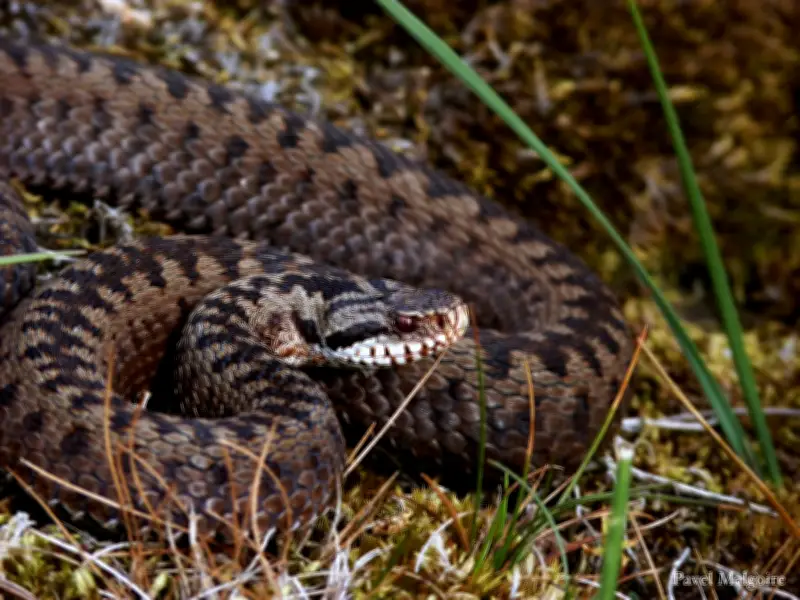
Researchers at Ahmadu Bello University (ABU), Zaria, have released a comprehensive guide on snakebite prevention and treatment, aiming to reduce the high mortality rate from snakebites in Nigeria. The team, led by Professor Abdulrazaq Habib, highlighted that snakebites are a neglected tropical disease affecting thousands annually, particularly in rural areas.
Prevention Tips
The researchers advised communities to take proactive measures to avoid snake encounters. These include wearing boots and long trousers when walking in grassy or bushy areas, using a flashlight at night, and keeping homes and surroundings clean to deter snakes. They also recommended clearing bushes around dwellings and storing food properly to avoid attracting rodents, which are prey for snakes.
First Aid Measures
In the event of a snakebite, the guide emphasizes immediate first aid. Victims should remain calm and still to slow venom spread. The affected limb should be immobilized and kept at or below heart level. Tight tourniquets, cutting the wound, or sucking out venom are discouraged as they can worsen the condition. Instead, the wound should be cleaned with soap and water, and a clean bandage applied.
Medical Treatment
Professor Habib stressed the importance of seeking medical help urgently. Anti-venom is the only effective treatment, but it must be administered in a hospital setting due to potential allergic reactions. He advised against traditional remedies and called for increased access to anti-venom in rural clinics.
Public Health Implications
The researchers called on government and health agencies to invest in snakebite education and anti-venom supplies. They noted that accurate data on snakebite incidence is lacking, hindering effective response. The guide is part of ABU's ongoing efforts to combat snakebite envenoming, which the World Health Organization has prioritized as a neglected tropical disease.