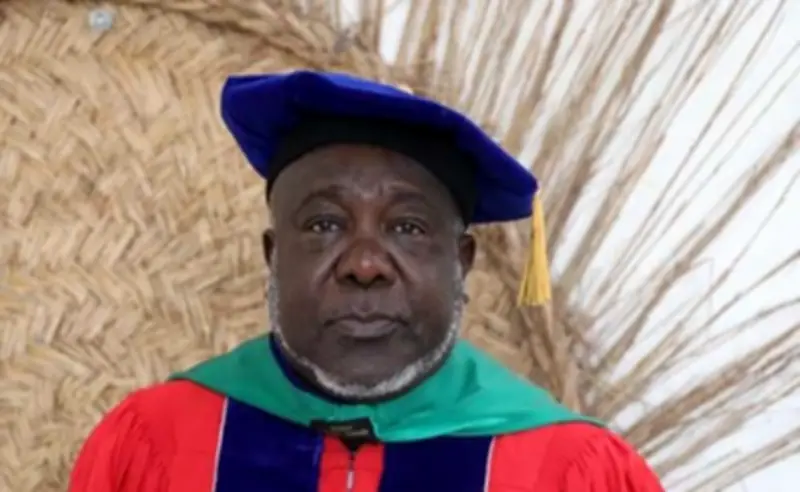
A former Nigerian Army officer, Bello Magaji, convicted of sodomy and sentenced to five years in prison, never served his jail term, a PREMIUM TIMES investigation has found. Instead, former President Goodluck Jonathan granted him a presidential pardon after the Supreme Court affirmed his conviction. The Nigerian Army also changed his dismissal to voluntary resignation, issued him a certificate of service, and restored all retired officer entitlements.
Background of the Case
In 1996, Magaji, then a military police officer, was accused of sexual offences against four men, including a 17-year-old. He was charged with sodomy, and the General Court Martial convicted him on 6 February 1997, sentencing him to seven years, later reduced to five. Magaji admitted to what the Supreme Court called a “naked romance” but pleaded not guilty to sodomy.
Legal Appeals
Magaji appealed to the Armed Forces Disciplinary Appeal Committee, the Court of Appeal, and finally the Supreme Court, which dismissed his appeal on 7 March 2008. Justice Ikechi Ogbuagu stated the sentence was insufficient and that Magaji deserved a longer prison term. Despite the Supreme Court ruling, Magaji never served his sentence.
Presidential Pardon and Rehabilitation
In 2013, President Jonathan granted Magaji a presidential pardon, along with other convicted individuals, including former Bayelsa State Governor Diepreye Alamieyeseigha. The pardon was heavily criticized. In 2015, the Nigerian Army restored his rank, pension, and honours, changing his disengagement from “cashiering” to “voluntary retirement.”
Academic Career
Magaji later earned an LL.M from Ahmadu Bello University in 2008 and a PhD in Law in 2017. He taught at several institutions, including Federal Polytechnic Kaduna and Kampala International University. In 2023, he became Dean of the Faculty of Law at the American University of Nigeria (AUN) in Yola.
University Response
AUN initially stated it was unaware of the conviction, calling it a “coincidence of name.” After being informed it was the same person, the university said it would investigate. Magaji maintained his innocence and stated he was not required to disclose the conviction under labour law, especially after receiving a pardon.
Legal Opinions
Legal experts noted that Magaji should have served his sentence between 2008 and 2013 before the pardon. However, they acknowledged that the pardon prevents further imprisonment. Professor Momoh-Jimoh Umaru of Usmanu Danfodiyo University said the case highlights weaknesses in criminal justice enforcement. Emmanuel Okorie of Hope Behind Bars argued that ex-convicts should not face discrimination after serving punishment, though Magaji never served his sentence.
Magaji’s appointment as dean has drawn mixed reactions. Some experts say there is no legal bar to his position, while others question the morality given the nature of his conviction.