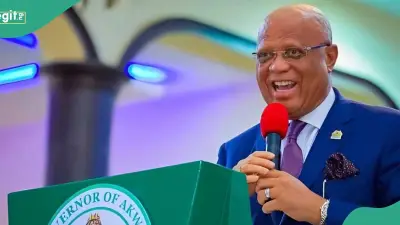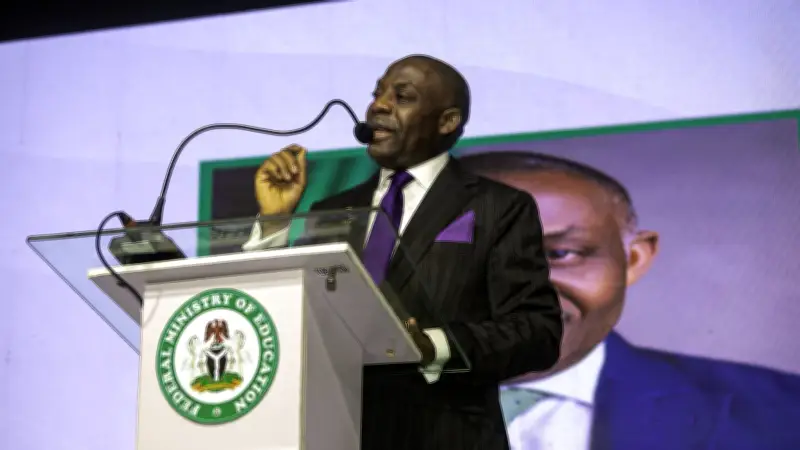
The Federal Government of Nigeria has proposed the elimination of the separation between Junior Secondary School (JSS) and Senior Secondary School (SSS) as part of a new policy aimed at improving student retention rates. The Minister of Education, Professor Tahir Mamman, made this announcement during a press briefing in Abuja on Thursday, stating that the current system contributes to student dropouts.
Details of the Proposal
Under the proposed reform, students would transition directly from JSS to SSS without the existing administrative and curriculum split. The minister explained that the separation often creates a bottleneck, leading to many students leaving school after JSS. According to Mamman, the change is intended to create a seamless 12-year basic education cycle, aligning with global best practices.
Impact on Retention
The policy aims to address the high dropout rate, which currently sees approximately 35% of students not transitioning to SSS. By removing the separation, the government hopes to keep more students in school until completion. Mamman emphasized that the reform would also involve curriculum adjustments to ensure continuity and relevance.
Implementation Timeline
The Ministry of Education plans to pilot the new structure in selected states before a national rollout. Stakeholders, including state governments and teachers' unions, will be consulted. The minister noted that the policy aligns with the Universal Basic Education (UBE) Act, which mandates free and compulsory education for all children.
According to Mamman, "This proposal is a critical step towards achieving our goal of improving school retention and ensuring that every Nigerian child completes basic education." He added that the ministry is working on a detailed implementation framework.